Home
-
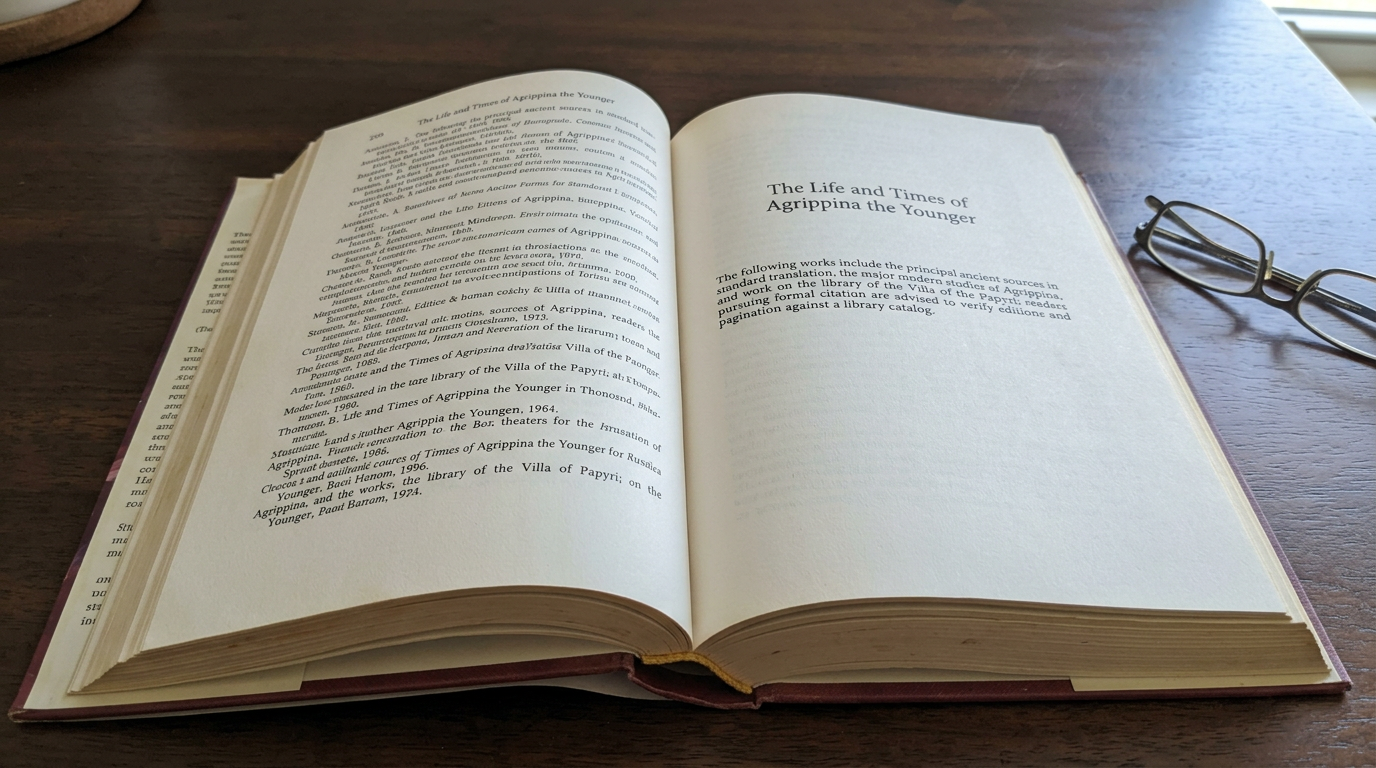
Agrippina the Younger, sister, wife, and mother of emperors, was accused of incest, poisoning, and tyranny before her son had her murdered. This field study weighs those charges against hostile sources, asks whether she was wicked or merely powerful, and investigates her lost memoir and faint hope of its recovery.
-
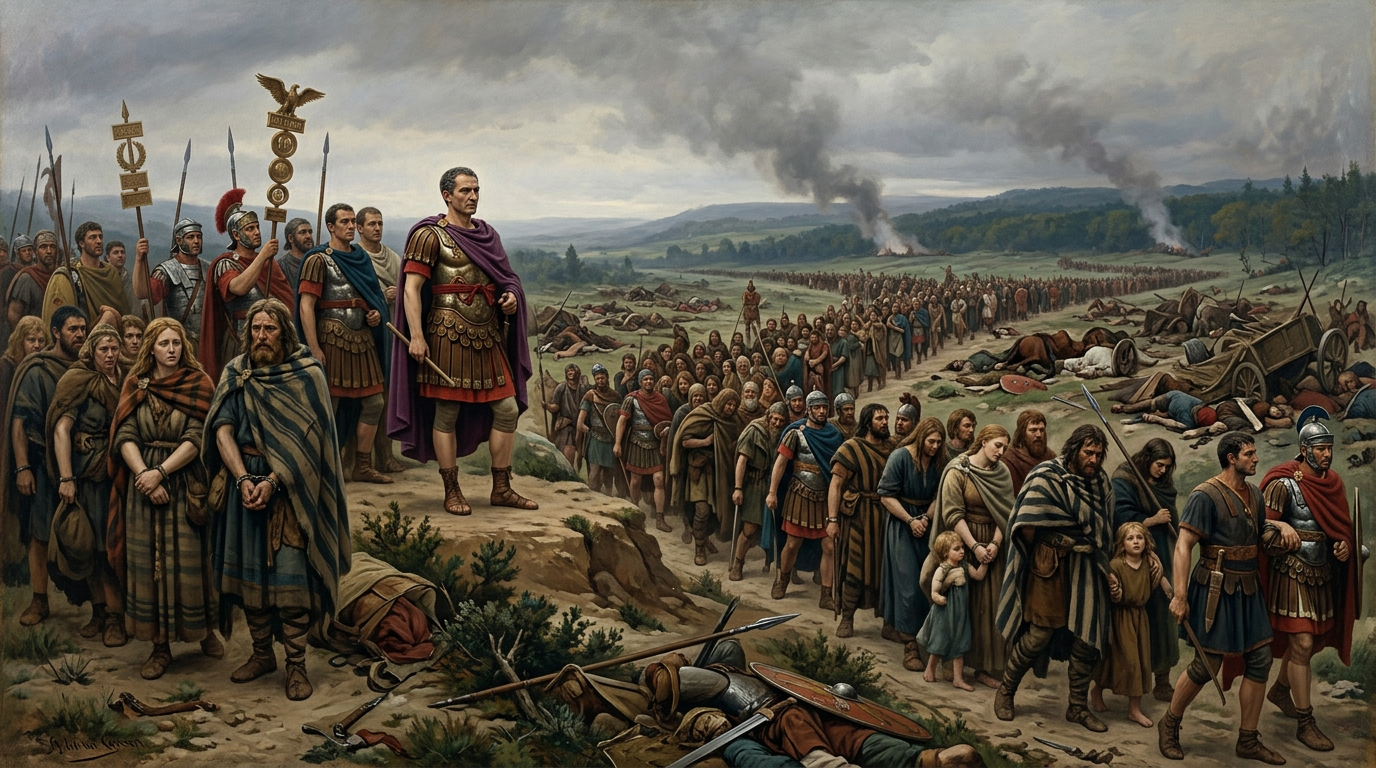
Julius Caesar conquered Gaul at a cost ancient writers put at a million dead and a million enslaved. This field study follows his life, scandals, and assassination, then weighs the Gallic War through ancient and modern lenses, concluding the Eburones and Usipetes episodes meet or approach modern definitions of genocide.
-
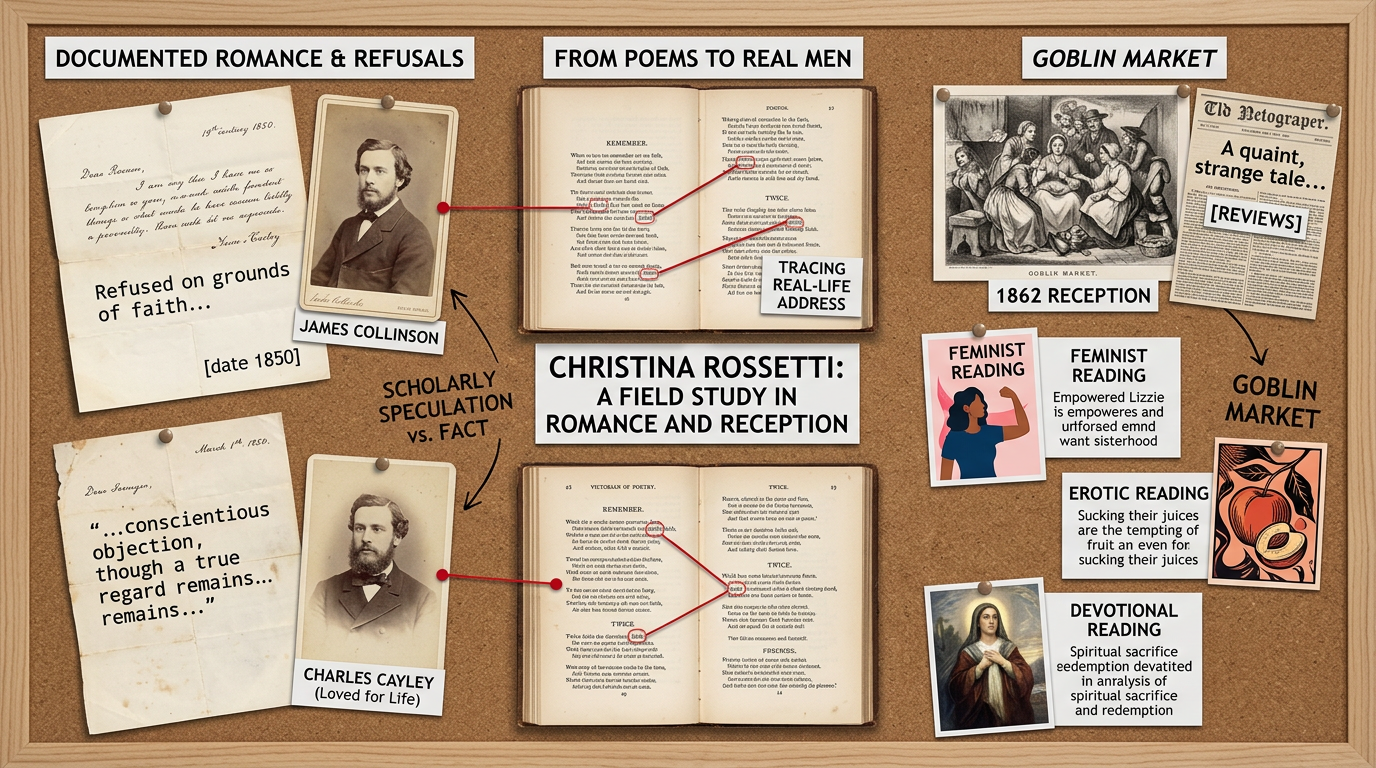
Christina Rossetti refused two suitors, James Collinson and Charles Cayley, on grounds of faith, yet loved Cayley for life. This field study separates documented romance from scholarly speculation, traces which poems may address real men, and follows Goblin Market from its 1862 reception to its feminist, erotic, and devotional readings.
-
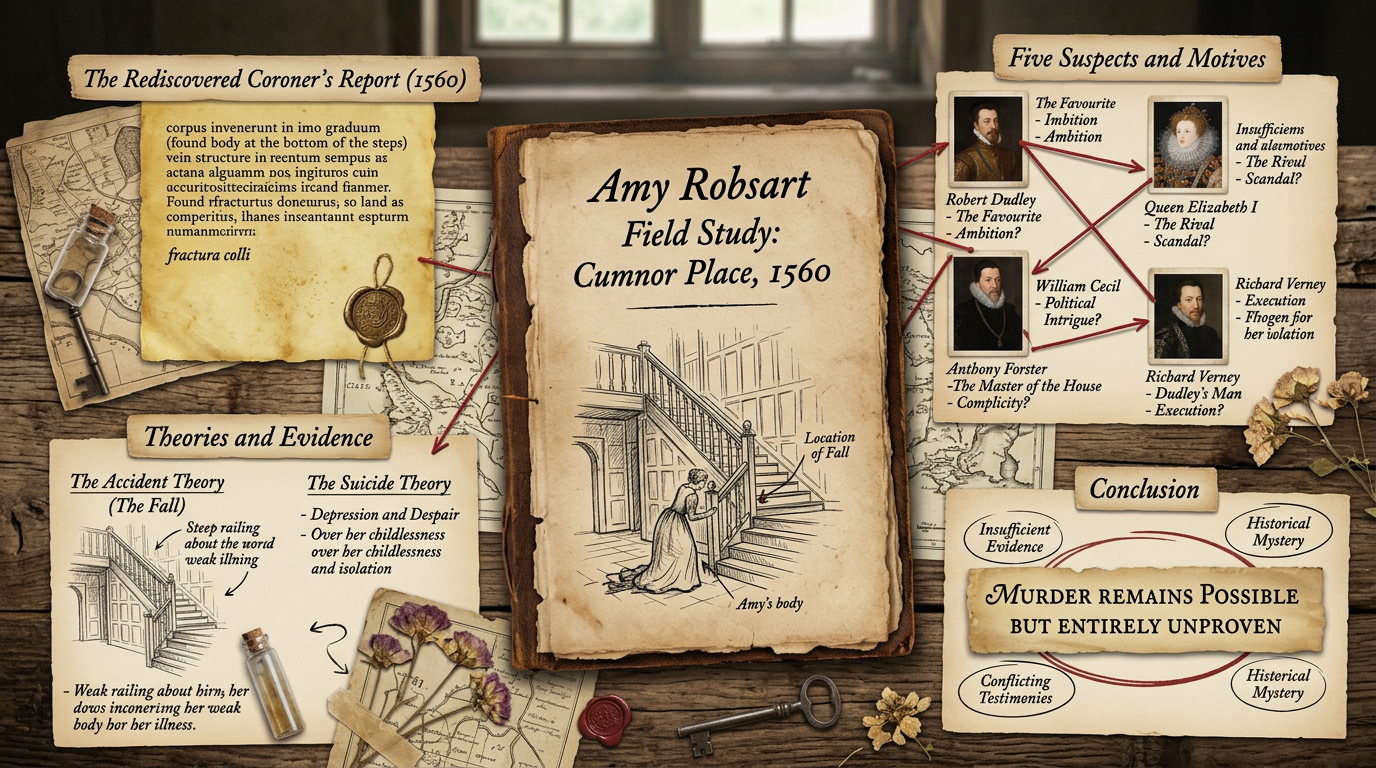
In 1560 Amy Robsart, wife of Elizabeth I’s favourite Robert Dudley, was found dead at the foot of the stairs at Cumnor Place. This field study examines the inquest, the rediscovered coroner’s report, five suspects, and the accident and suicide theories, and concludes that murder remains possible but entirely unproven.
-
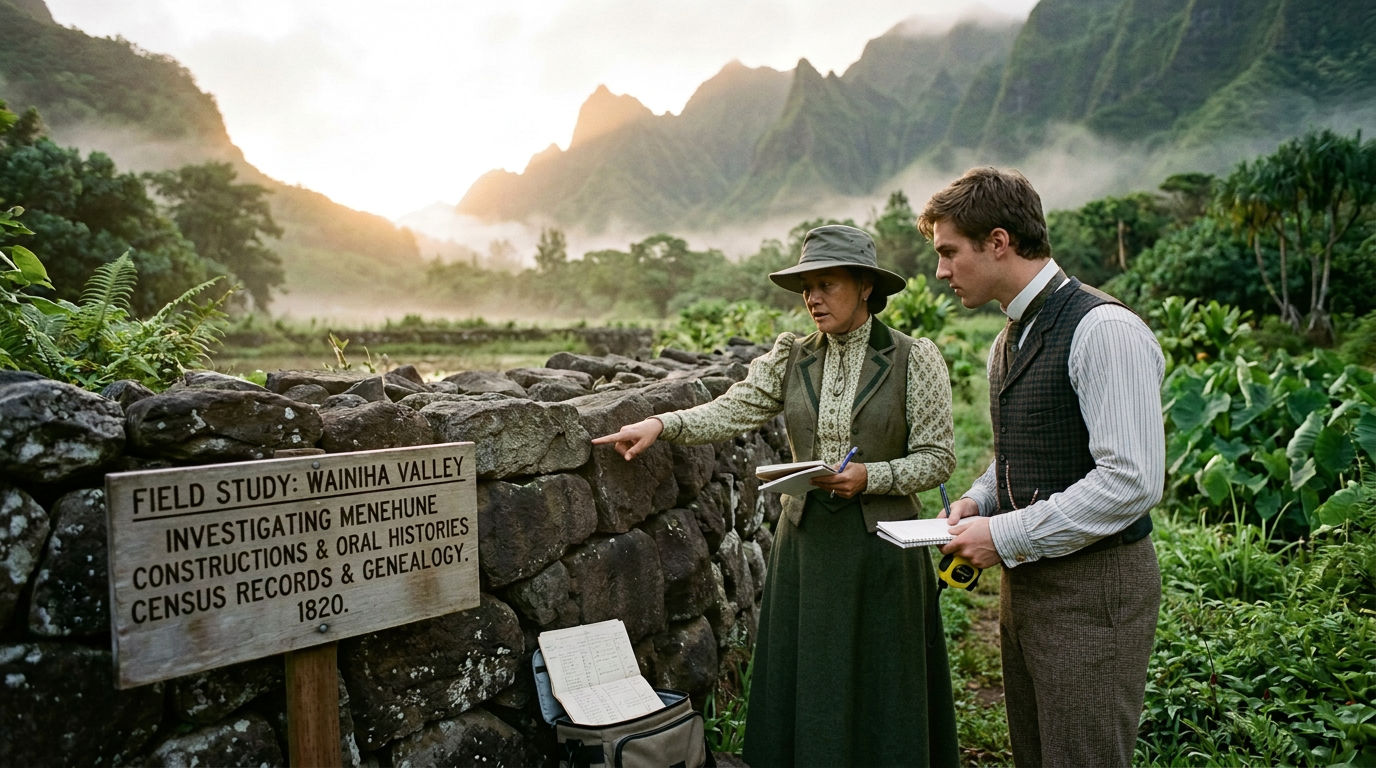
The menehune, Hawaiian builders said to raise fishponds, ditches, and temples in a single night, remain one of Polynesia’s great puzzles. This field study weighs the genealogies, the surviving stonework, the 1820 Wainiha census, and the commoner theory, and also corrects several errors now widely circulating about Hawaiʻi’s hidden people.
-
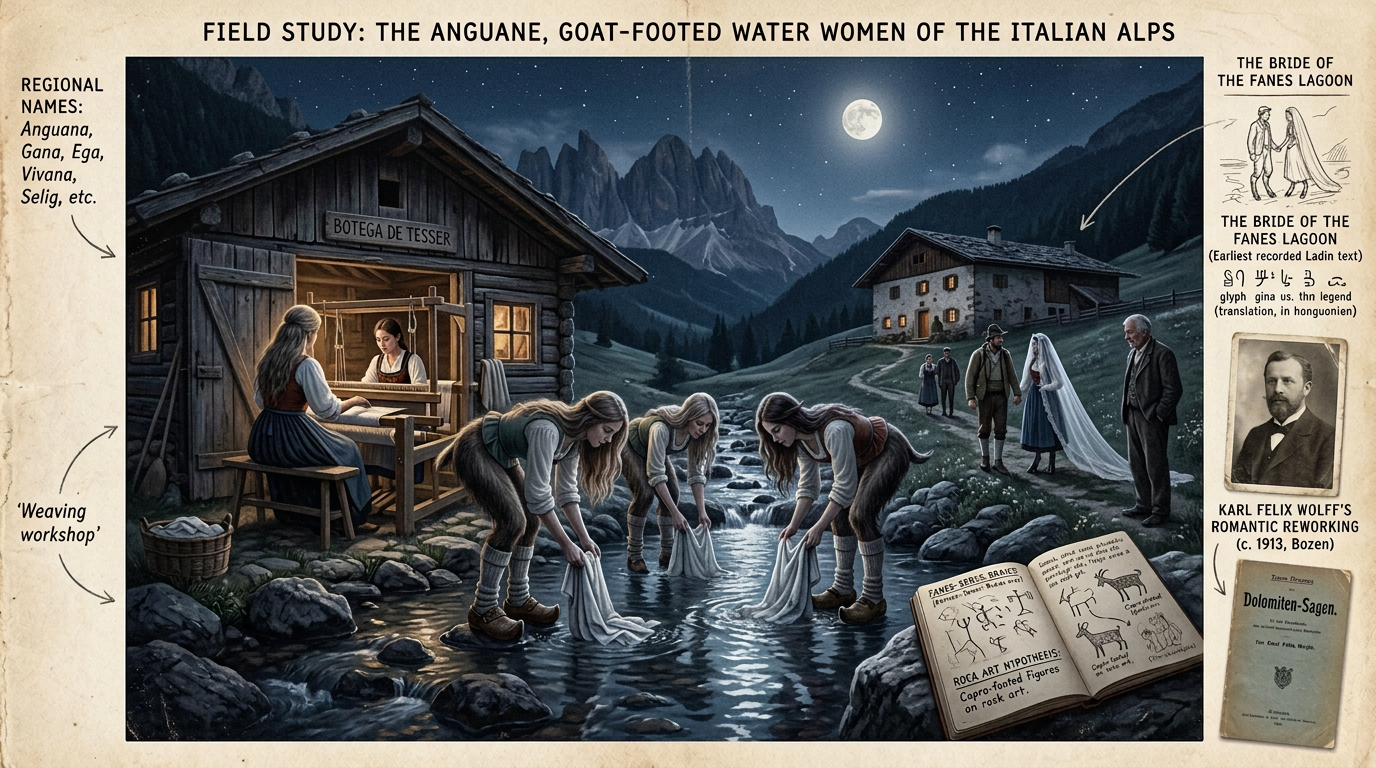
The anguane, goat-footed water women of the Italian Alps, washed linen by moonlight, taught weaving, and married mortal men who inevitably broke their promises. This field study traces their many regional names, the oldest Ladin bride tale, the rock art hypothesis, and Karl Felix Wolff’s romantic reworking of Dolomite legend.
-
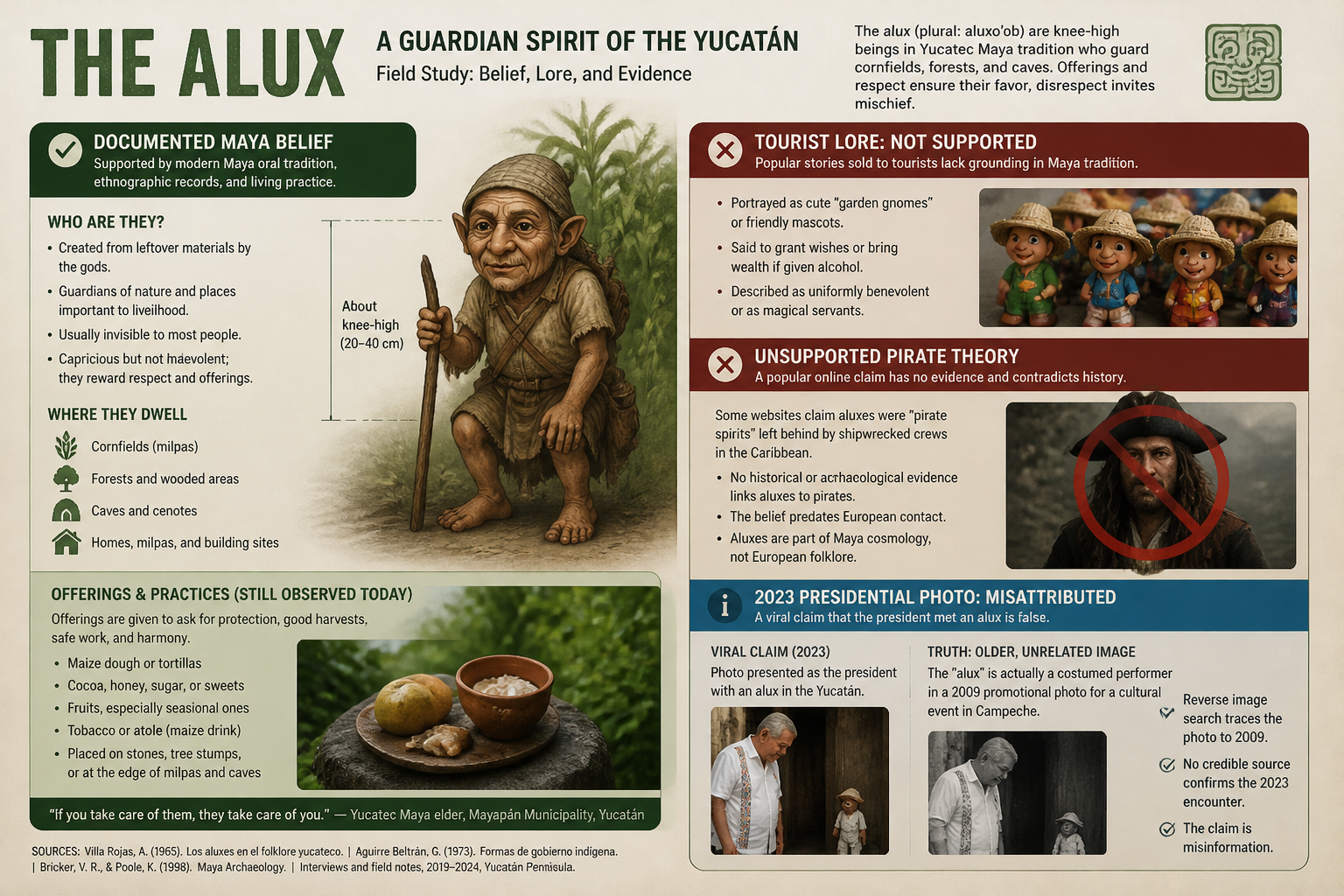
The alux, a knee-high guardian spirit of Yucatec Maya cornfields, forests, and caves, still receives offerings today from farmers and builders across the Yucatán Peninsula. This field study separates documented Maya belief from tourist lore, an unsupported pirate theory, and a 2023 presidential photograph traced to an older, unrelated image.
-

Al Ana, the red mother of Turkic folklore, haunts new mothers during the forty days after childbirth. This field study traces Alkarısı and Albasty across Anatolia, the steppe, Iran, and the Caucasus, and exposes a circulated description of her that was borrowed, nearly word for word, from Polish dziwożona lore.
-

The Yumboes, small white spirits of the dead said to dance beneath Senegal’s Mamelles hills, survive in a single source: a Wolof servant’s story, remembered by an English child and recorded by Thomas Keightley. This study separates plausibly genuine Wolof and Lebou belief from European fairy echoes and modern invention.
-
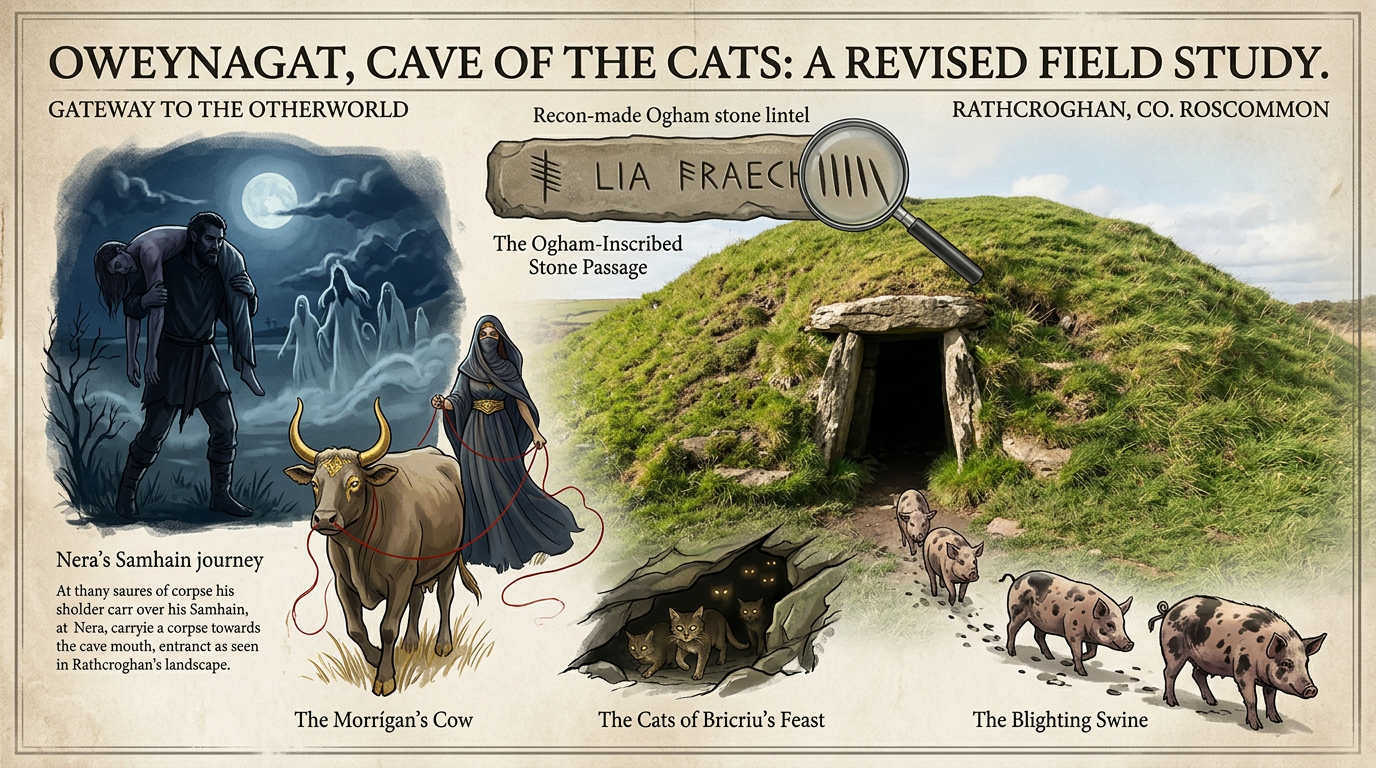
Oweynagat, the Cave of the Cats beneath Rathcroghan in County Roscommon, was a gateway to the Otherworld in medieval Irish tales. This revised field study traces the cave through its sources: Nera’s Samhain journey, the Morrígan’s cow, the cats of Bricriu’s Feast, the blighting swine, and the ogham-inscribed stone passage.