September 2026
-
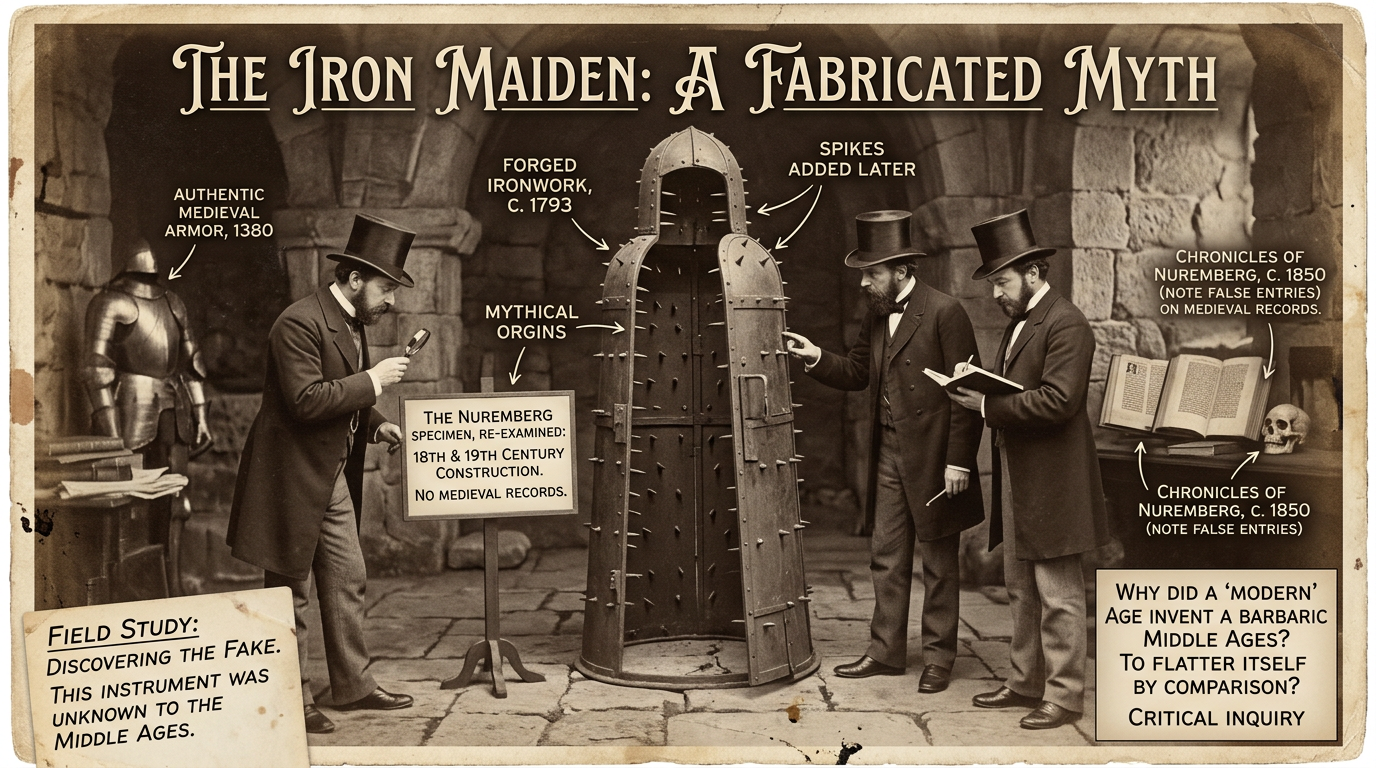
The Iron Maiden, the spiked coffin of medieval torture, is largely a myth fabricated in the eighteenth and nineteenth centuries, unknown to the medieval record. This field study traces the fake, the Nuremberg specimen, and the deeper question: why a modern age invented a barbaric Middle Ages to flatter itself.
-
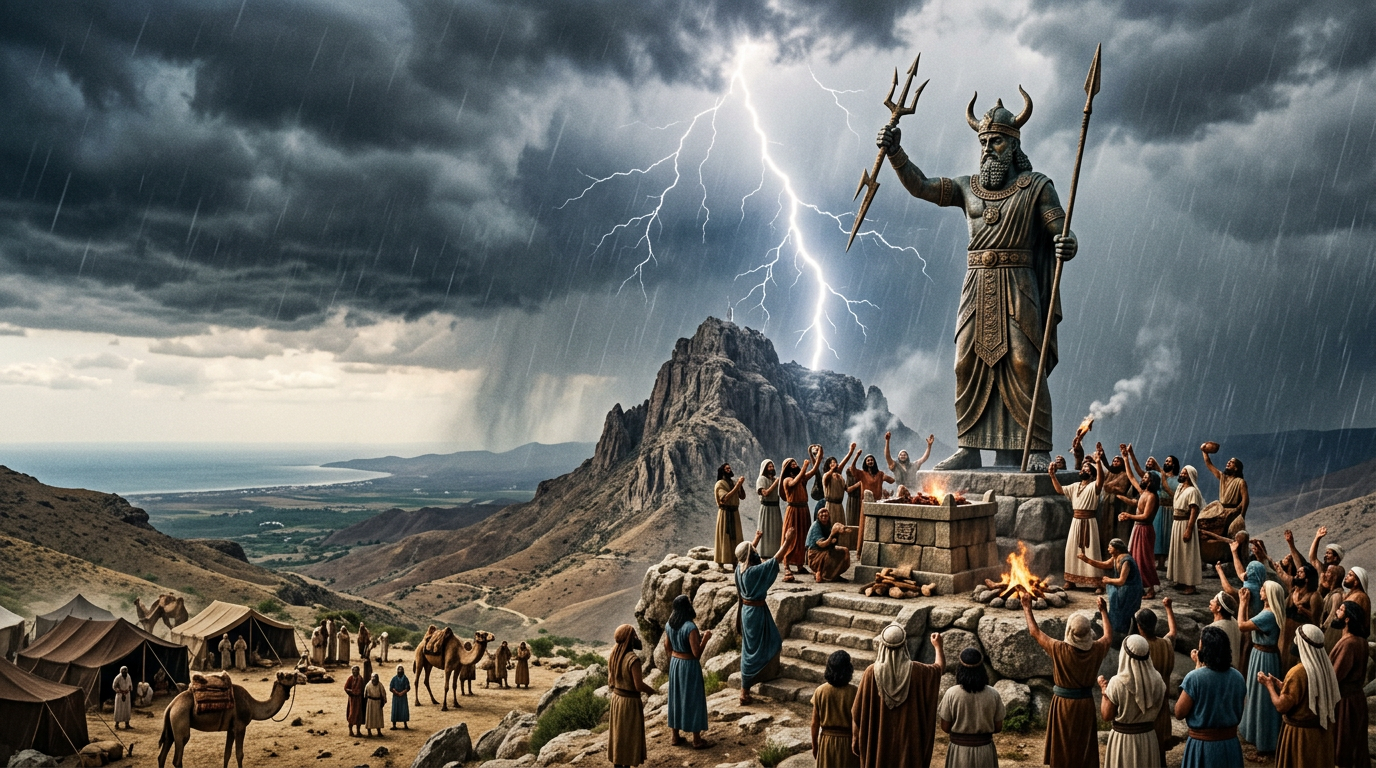
Baal was the great Canaanite storm god, beloved bringer of life-giving rain, known from the recovered texts of Ugarit — and the reviled enemy of the God of Israel in the Hebrew Bible. This field study traces both portraits and their interconnection: one god seen by his worshippers and his enemies.
-
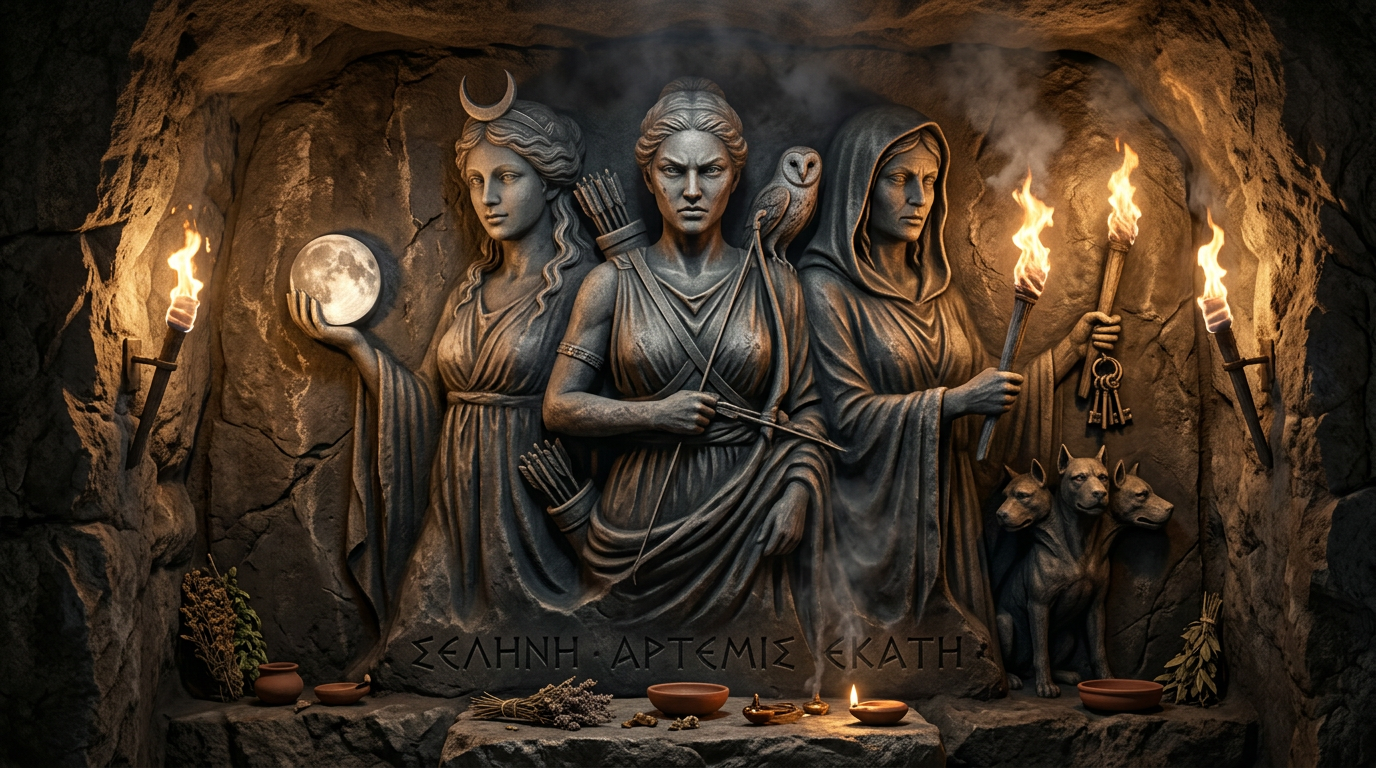
Selene, Artemis, and Hekate were three distinct Greek goddesses merged in antiquity into a single dark lunar goddess of the three realms and of magic. This field study traces that ancient syncretism and its modern reinvention as the Maiden-Mother-Crone Triple Goddess, honestly distinguishing the ancient reality from the modern construction.
-
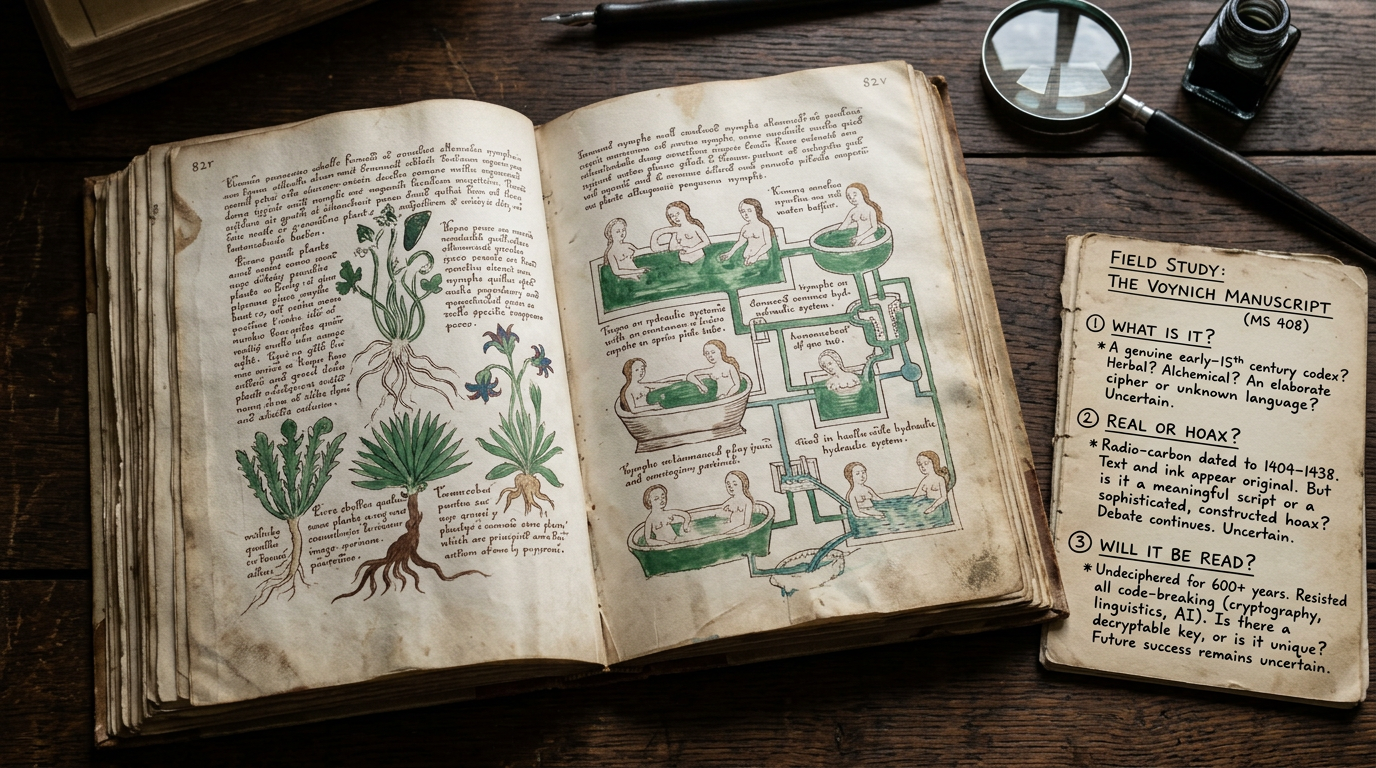
The Voynich manuscript is a genuine early-fifteenth-century codex written in an undeciphered script, illustrated with impossible plants and bathing women. This field study asks the three great questions — what it is, whether it is real or a hoax, and whether it will ever be read — answering each with honest uncertainty.
-

The Kappa, the dish-crowned water-imp of Japanese folklore, is a cheerful modern mascot concealing a feared river-demon that drowned children. This field study recovers its dark authentic heart — the drowning, the shirikodama, the bow that spills its life — and its role as a loving warning, within a living yokai tradition.
-
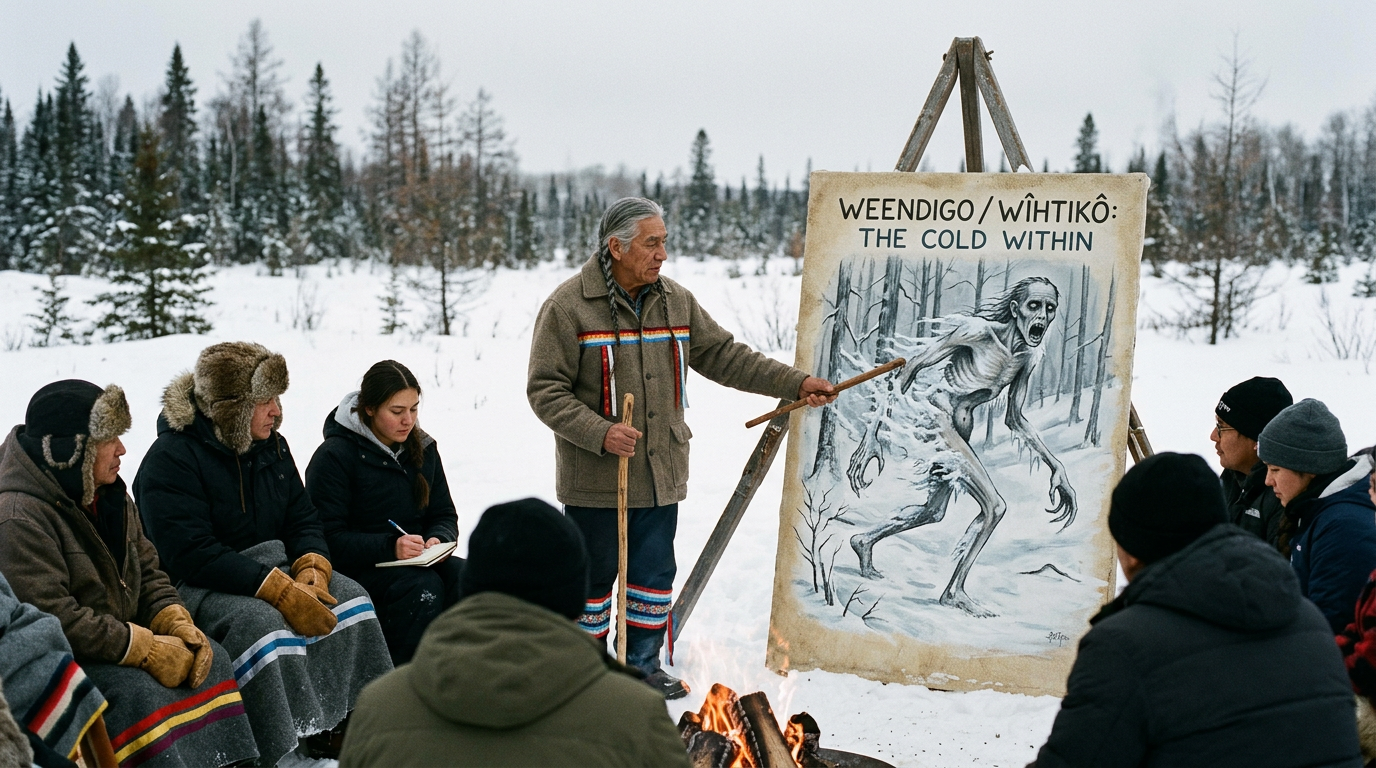
The true Wendigo of the Algonquian peoples is not the antlered monster of pop culture but the ice-hearted spirit of winter famine and insatiable greed — a profound teaching against consuming beyond one’s share. This field study corrects the modern caricature and honors a living, sacred tradition of living Indigenous nations.
-
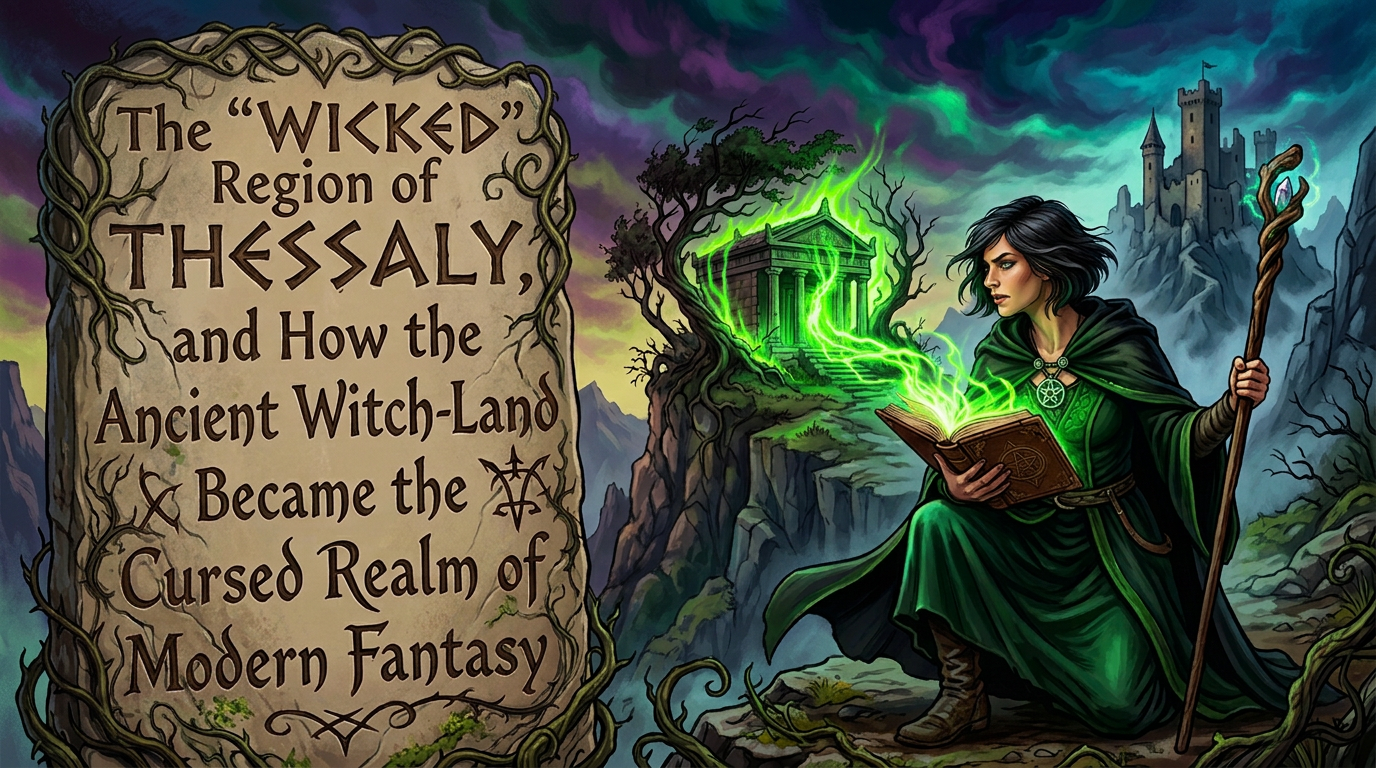
In the classical world, the Greek province of Thessaly was imagined as a land of witches who drew the moon from the sky. This trope analysis traces how that ancient idea of the magical region became the cursed forest and wicked sorcerous realm of modern fantasy, from Mirkwood to Thay.
-
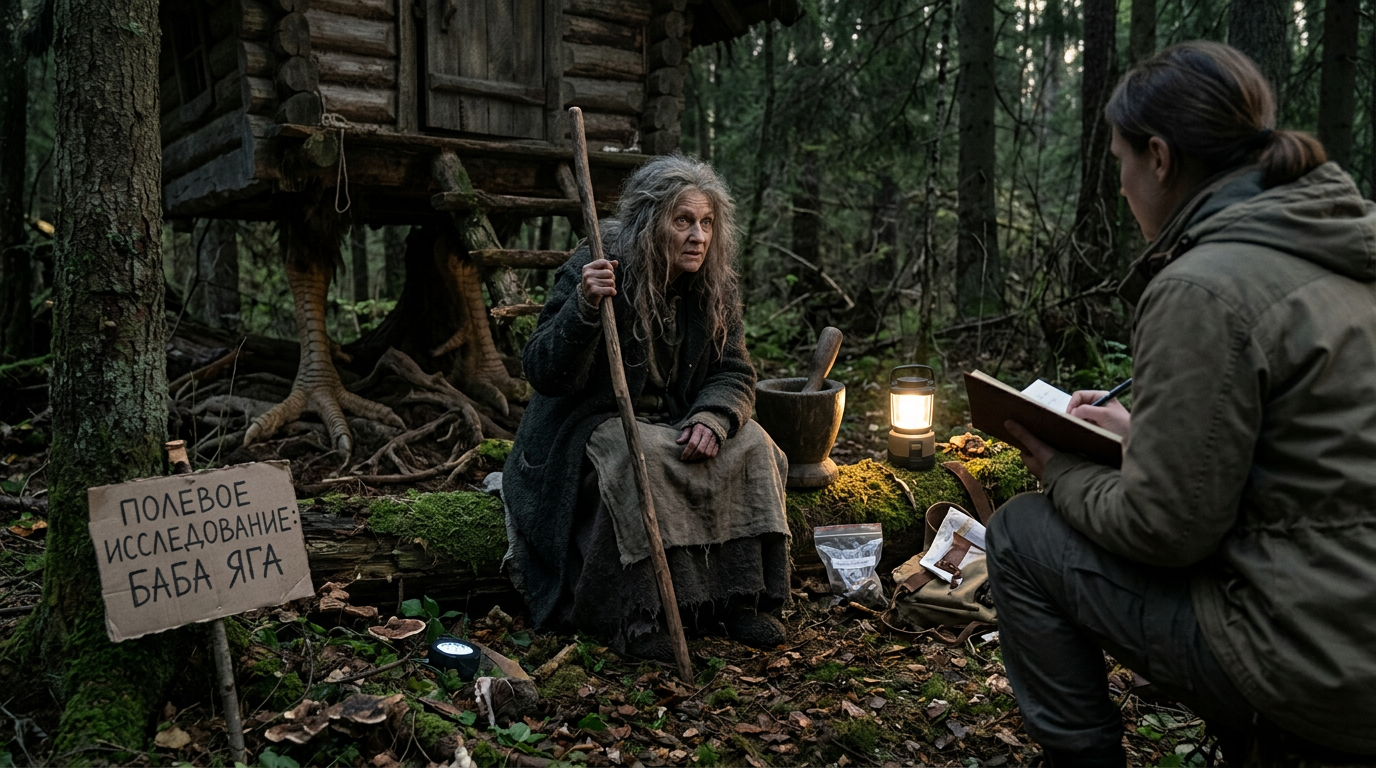
Baba Yaga, the ambiguous crone of the chicken-legged hut, is the supreme figure of the Slavic dark — devourer and helper at once. This field study examines her tales and attributes, and asks why Slavic folklore runs darker than the West: harder land, harder history, and a better-preserved, less-sanitized pagan root.
-
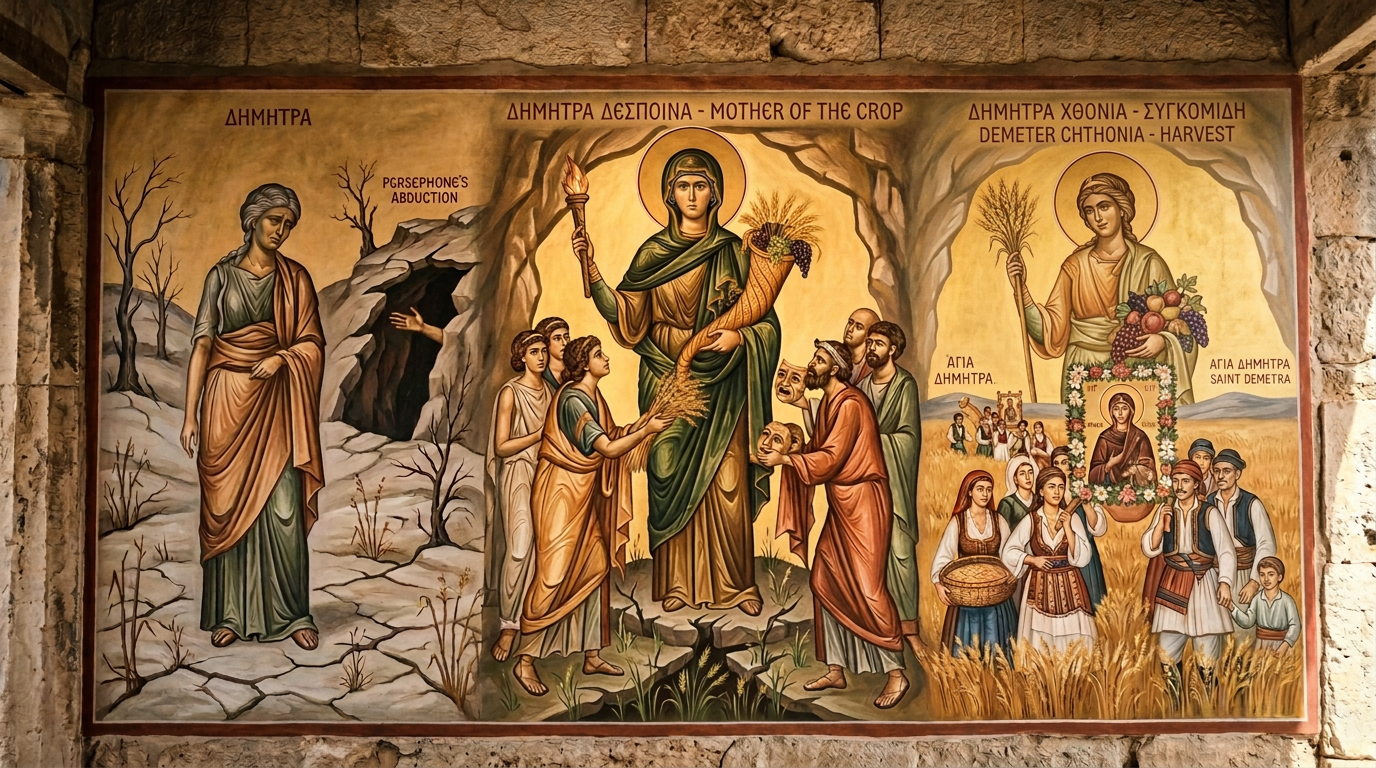
Demeter, Greek goddess of the grain, let the whole earth go barren in grief when Hades abducted her daughter Persephone. Their myth explained the seasons and anchored the Eleusinian Mysteries. This field study traces the harvest-mother, her darker Arcadian faces, and her survival as folk-venerated “Saint Demetra” into modern times.
-
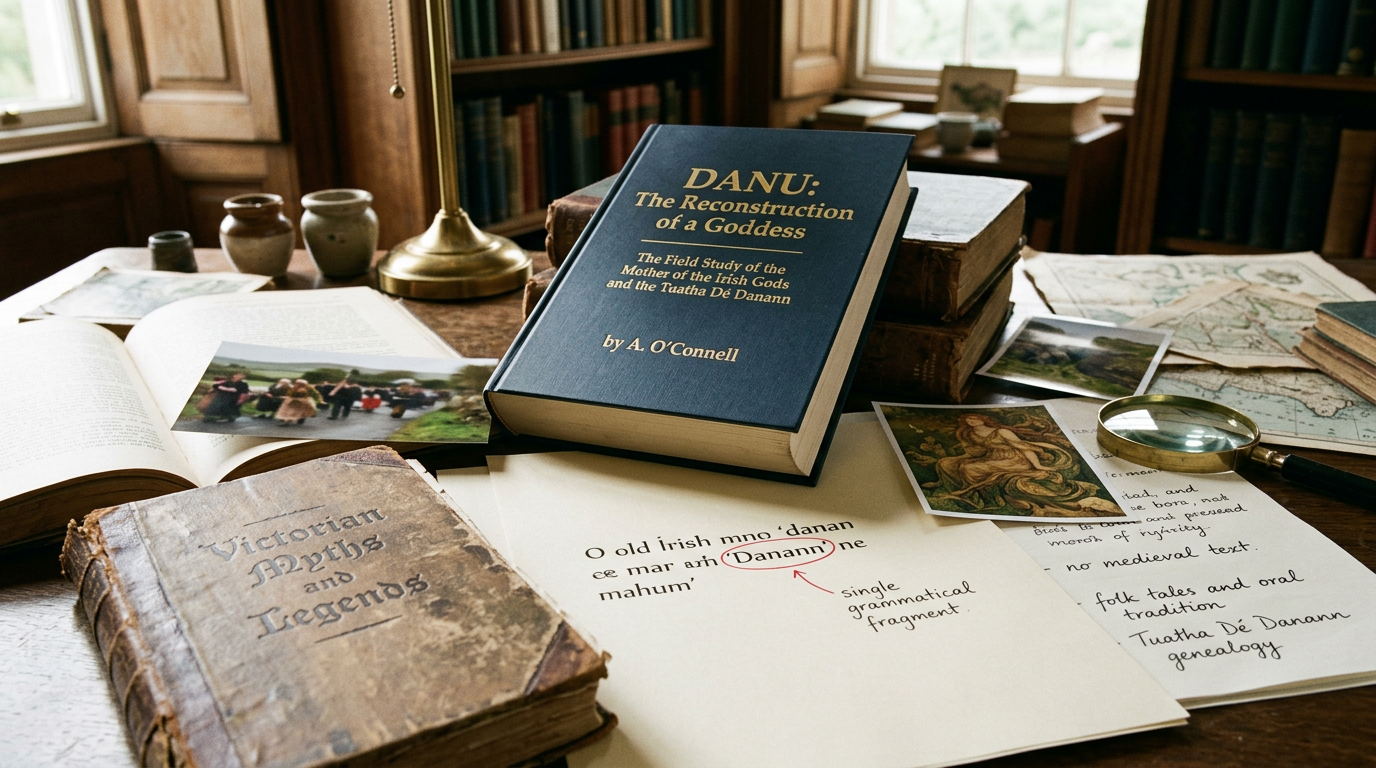
Danu, mother of the Irish gods, gave her name to the Tuatha Dé Danann — yet appears in no medieval text and has no myth of her own. This field study examines a goddess reconstructed from a single grammatical fragment, the tales of the folk she named, and her Victorian reinvention.