William Desmond Taylor, a prominent silent film director in 1920s Hollywood, was murdered in his bungalow in 1922. The case, involving starlets, missing money, and suspected studio cover-ups, remains an unsolved mystery. This blog post explores his life, the suspects, and the lasting impact the scandal had on the film industry.
Zheng Yi Sao (1775–1844) rose from obscure origins to command history’s largest pirate confederation, terrorizing the South China Sea from 1801-1810. Following her husband’s death, she masterminded a coalition of 70,000 pirates, defeating Qing and European navies. Forced into negotiations by internal betrayal, she secured an unprecedented pardon, retaining wealth and power. She spent her…
The Amazons, famed in Greek myth as a society of warrior women, were once considered fiction. Archaeology reveals armed female burials across the Eurasian steppes, confirming Scythian and Sarmatian warrior women inspired the legends. While the all-female society is mythical, Greeks elaborated real nomadic horsewomen into the Amazon archetype, blending myth with historical reality.
Carl Jung’s Red Book (1914-1930) is an illuminated manuscript documenting his visionary exploration of the unconscious after his split from Freud. This “most difficult experiment,” blending stunning art with psychological commentary, formed the foundational mythic core of his theories. Locked away for decades, its 2009 publication revolutionized understanding of his work.
Over 2,500 years after her death, Sappho of Lesbos remains an icon. Celebrated as the “Tenth Muse” in antiquity, her legacy is a puzzle of shattered verses and contested interpretations. This exploration delves past the myths of doomed love and scandal, examining the historical poet through her surviving fragments, her complex social world, and the…
Clytemnestra, Queen of Mycenae, is infamous for murdering her husband Agamemnon. Her myth, however, reveals profound complexity: a bereaved mother avenging her sacrificed daughter Iphigenia, a capable ruler, and a symbol of challenging patriarchal authority. Her evolution from Homeric villain to tragic, sympathetic figure in modern retellings highlights her enduring power as a cultural archetype…
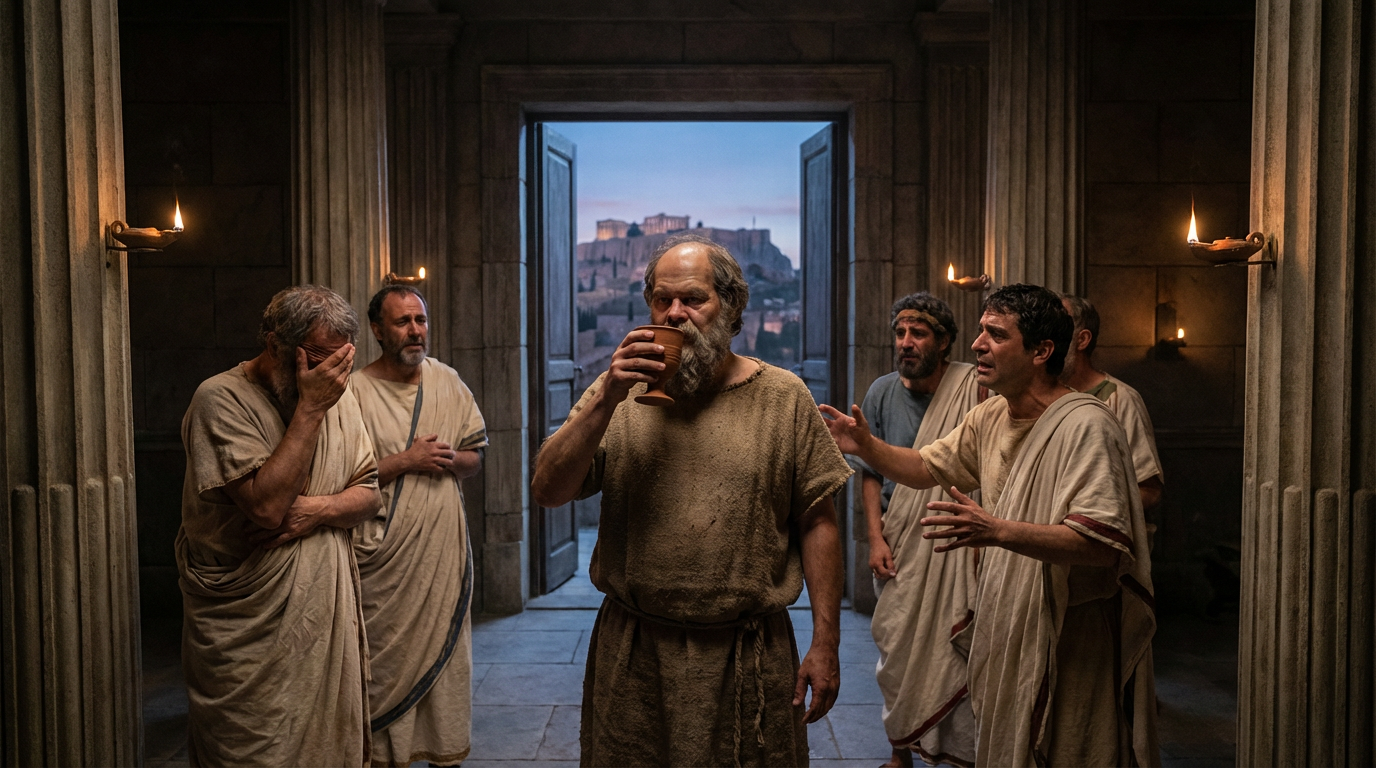
Socrates, the foundational figure of Western philosophy, taught through questioning dialogues to expose ignorance. Charged with impiety and corrupting Athenian youth, he was executed in 399 BCE. His Socratic method, ethical intellectualism, and principled death, recorded by Plato, established a legacy of critical inquiry that endures.
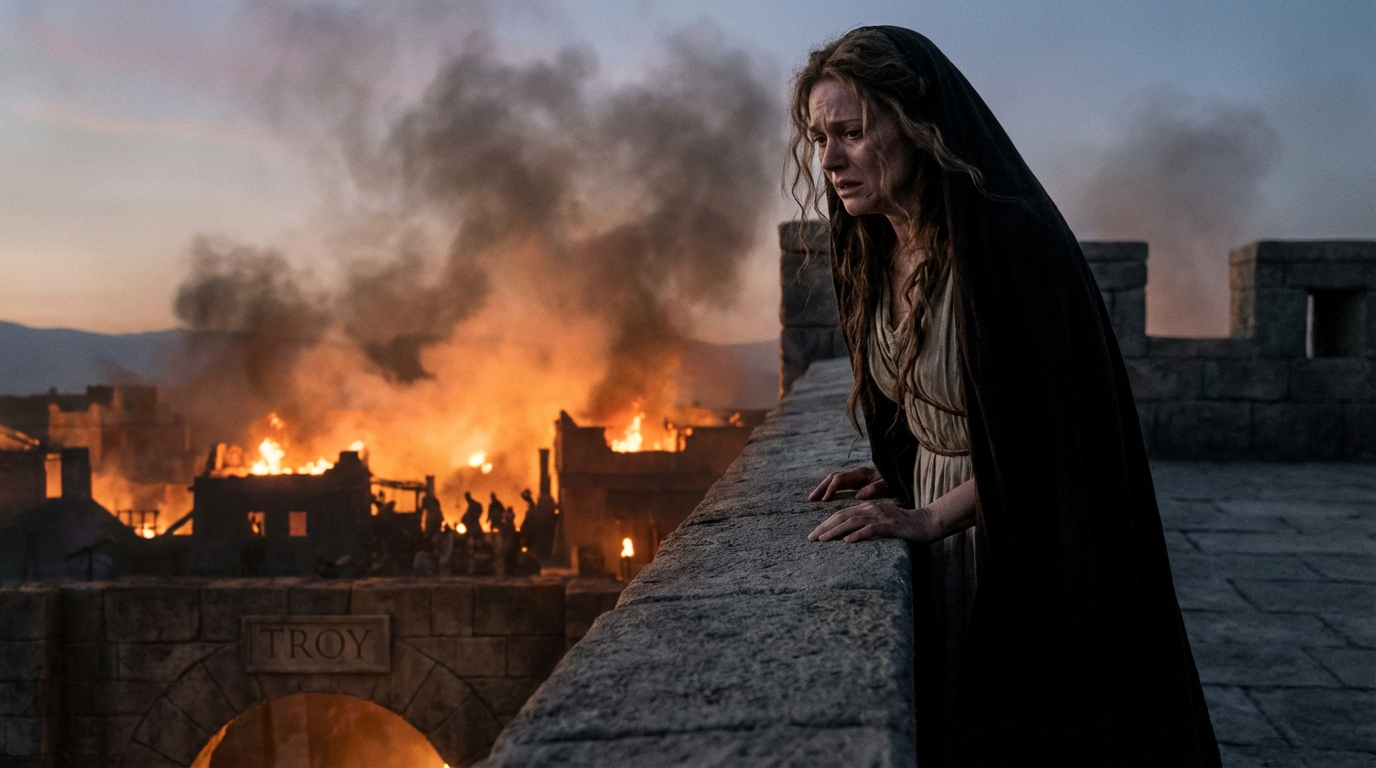
assandra, the Trojan priestess, was gifted with true prophecy by Apollo but cursed never to be believed. She foresaw the Trojan War’s destruction, including the Trojan Horse, yet was ignored. After Troy fell, she was taken by Agamemnon and murdered with him in Mycenae. Her name now symbolizes accurate but unheeded warnings, reflecting timeless themes…
Helen of Troy is a complex fusion of myth, possible Bronze Age memory, and pre-Greek goddess worship. While not a historical individual, her legend explores agency, beauty’s power, and war’s causes. From Spartan cults to Homeric epic, she endures as a timeless symbol of desire and destruction.
Hypatia of Alexandria (c. 355–415 AD) was a renowned Neoplatonist philosopher, astronomer, and mathematician. A revered teacher and political advisor, her brutal murder by a Christian mob transformed her into a timeless symbol: a martyr for philosophy, a victim of fanaticism, and an enduring feminist icon.