Journal
-
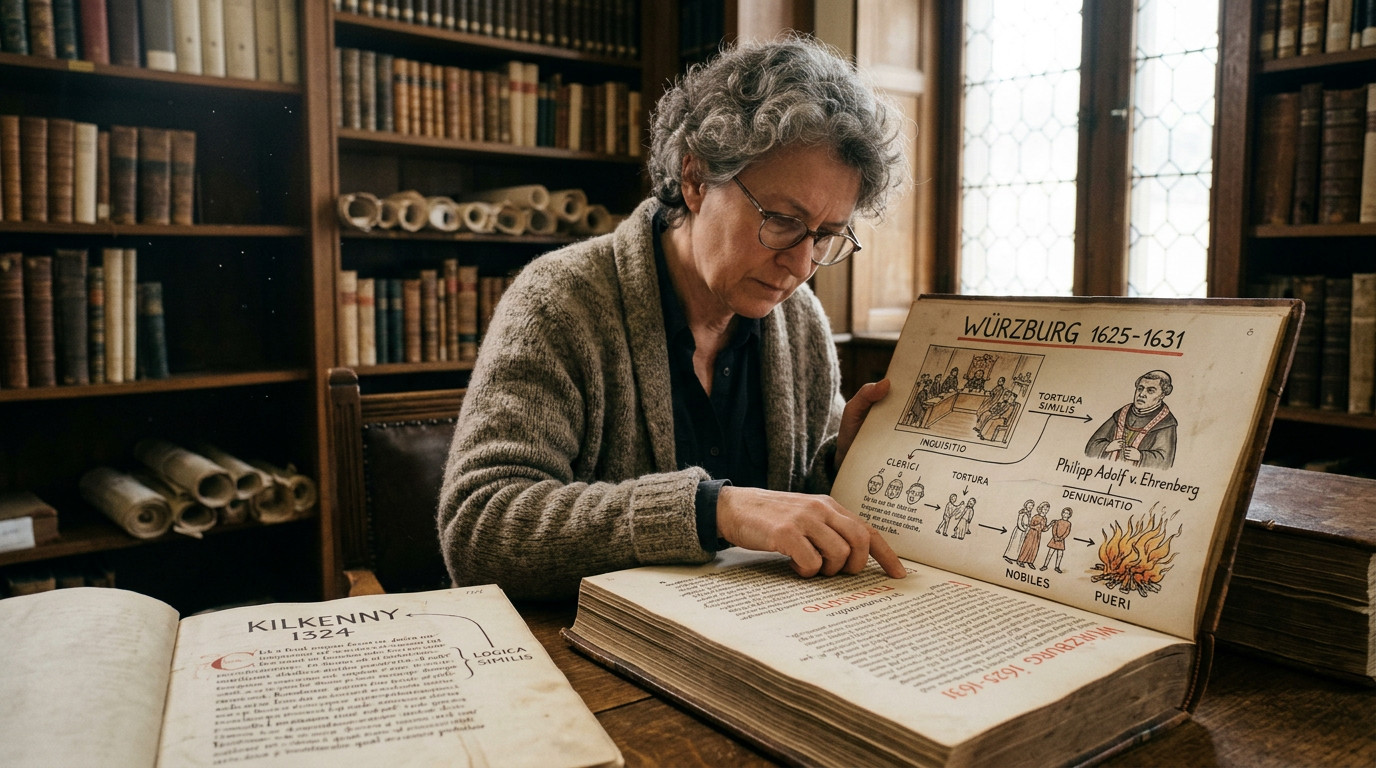
In Entry XIII, the Archivist examines the Würzburg witch trials of 1625 to 1631, when torture and forced denunciations under Prince-Bishop Philipp Adolf von Ehrenberg sent perhaps nine hundred people, including clergy, nobles, and young children, to the fire, and traces their logic back to the Kilkenny case of 1324.
-

In Entry XII, the Archivist studies Hel, the Norse realm and goddess of the dead, through Snorri Sturluson’s Edda: her half-dark body, her hall of Hunger and Sickbed, the golden bridge over the river Gjöll, and her terrible condition for Baldr’s return, weighing what is ancient belief against medieval invention.
-
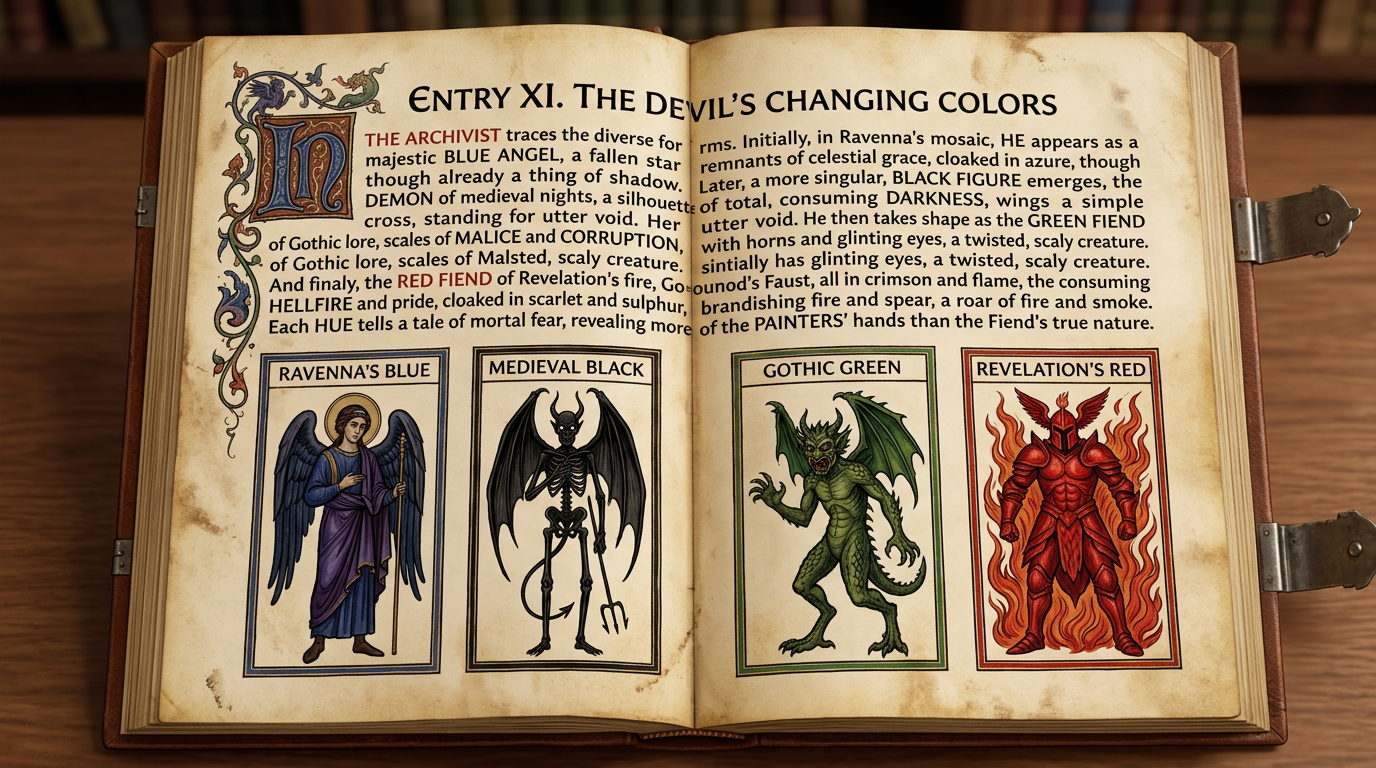
In Entry XI, the Archivist traces the Devil’s changing colors: the blue angel of Ravenna, the black of medieval demonology, the green of Gothic fiends, and the red of Revelation, hellfire, and Gounod’s Faust. Each color carried meanings of darkness, corruption, or fire, revealing more about painters than about Satan.
-
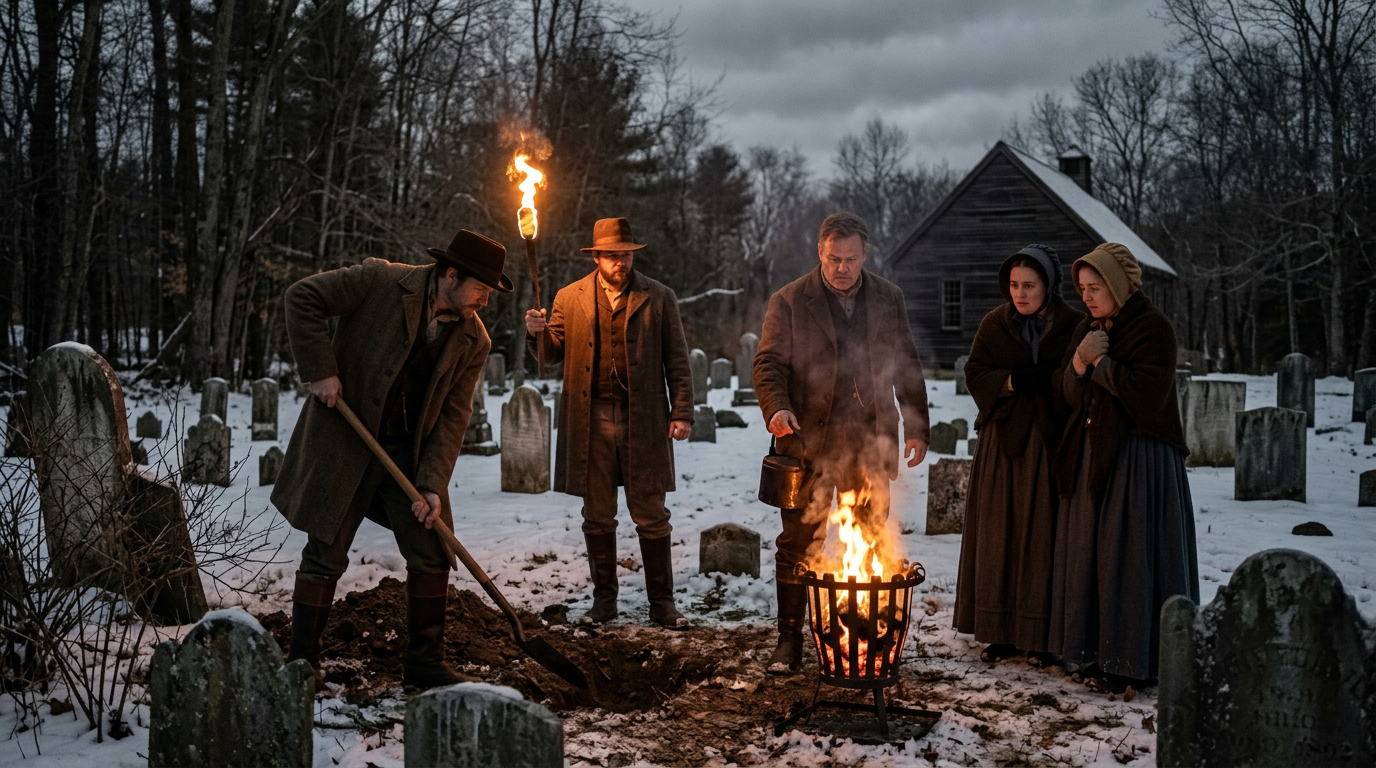
In Entry X, the Archivist examines clippings about Exeter, Rhode Island, where in 1892 a family exhumed Mercy Brown and burned her heart to save her dying brother. The entry places the episode within New England’s struggle with tuberculosis, and asks how the word “vampire” came to replace her name.
-

In Entry IX, the Archivist separates the Bamberg witch trials of the 1620s from Trier’s earlier persecution, examining Prince-Bishop Fuchs von Dornheim, the Witch Burner, his purpose-built Drudenhaus with its Vergilian inscription, and the deaths of Georg Haan, Johannes Junius, and Dorothea Flock, while warning against the blended popular retellings.
-

In Entry VIII, the Archivist examines the Trier witch trials of 1581–1593 and the prominent people they consumed, above all the judge and rector Dietrich Flade, alongside the persecutor Peter Binsfeld and the dissenter Cornelius Loos, while setting the register beside Faulkenmire’s unresolved 1892 New England clippings without claiming connection.
-
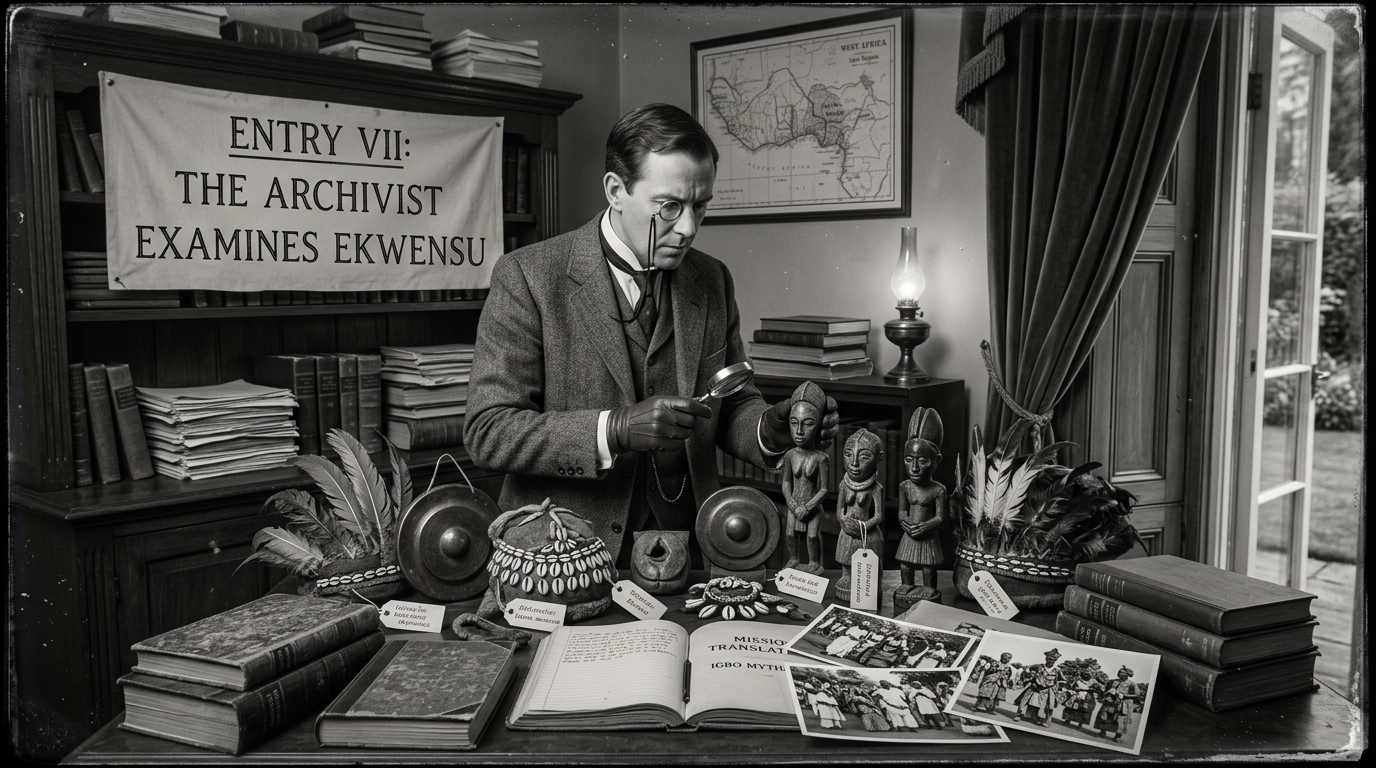
In Entry VII, the Archivist examines Ekwensu, the Igbo alusi of war, victory, and cunning, and how missionary translation made his name the Igbo word for Satan, setting out the shrines and festivals, the debate among Igbo scholars, and a structural parallel with Baal, while observing an outsider’s limits throughout.
-
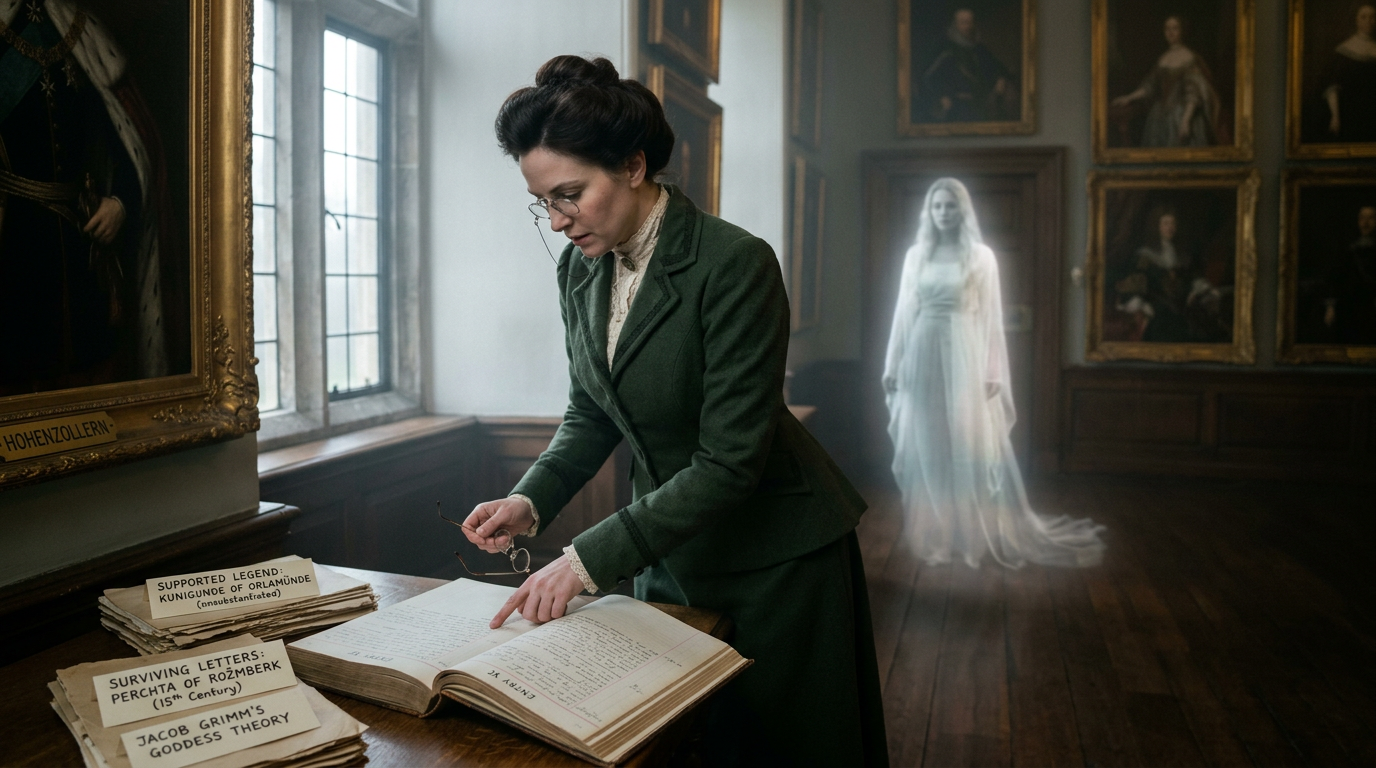
In Entry VI, the Archivist examines the Weiße Frau, the White Lady whose silent appearance foretold Hohenzollern deaths, weighing the unsupported legend of Kunigunde of Orlamünde, the surviving letters of Perchta of Rožmberk, and Jacob Grimm’s goddess theory, while an open ledger of deaths waits in Faulkenmire’s fog-bound portrait gallery.
-
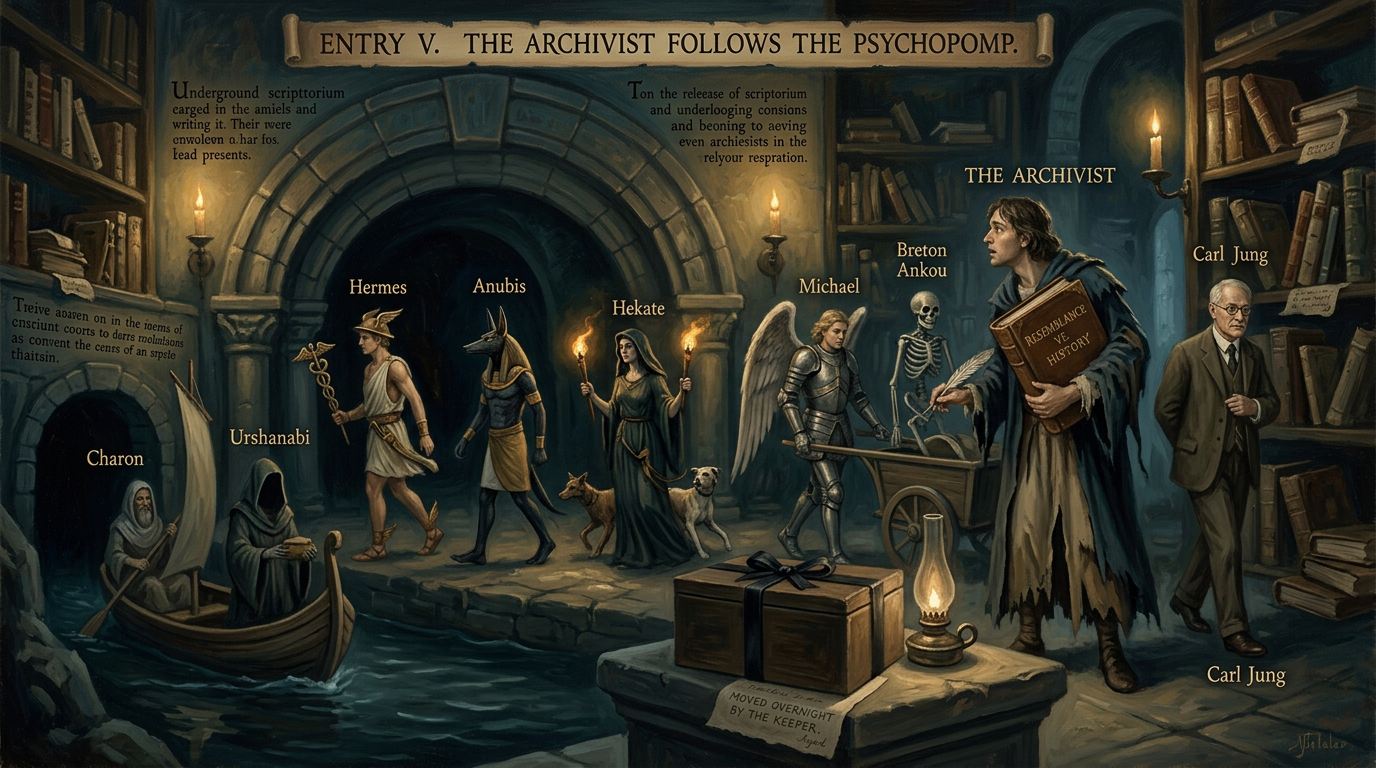
In Entry V, the Archivist follows the psychopomp, the guide of souls, from Hermes in the Odyssey through Charon, Urshanabi, Anubis, Hekate, Michael, and the Breton Ankou to Jung, distinguishing documented history from resemblance, while the black-ribboned river box, moved overnight by the Keeper, waits beside a lamp nobody lit.
-
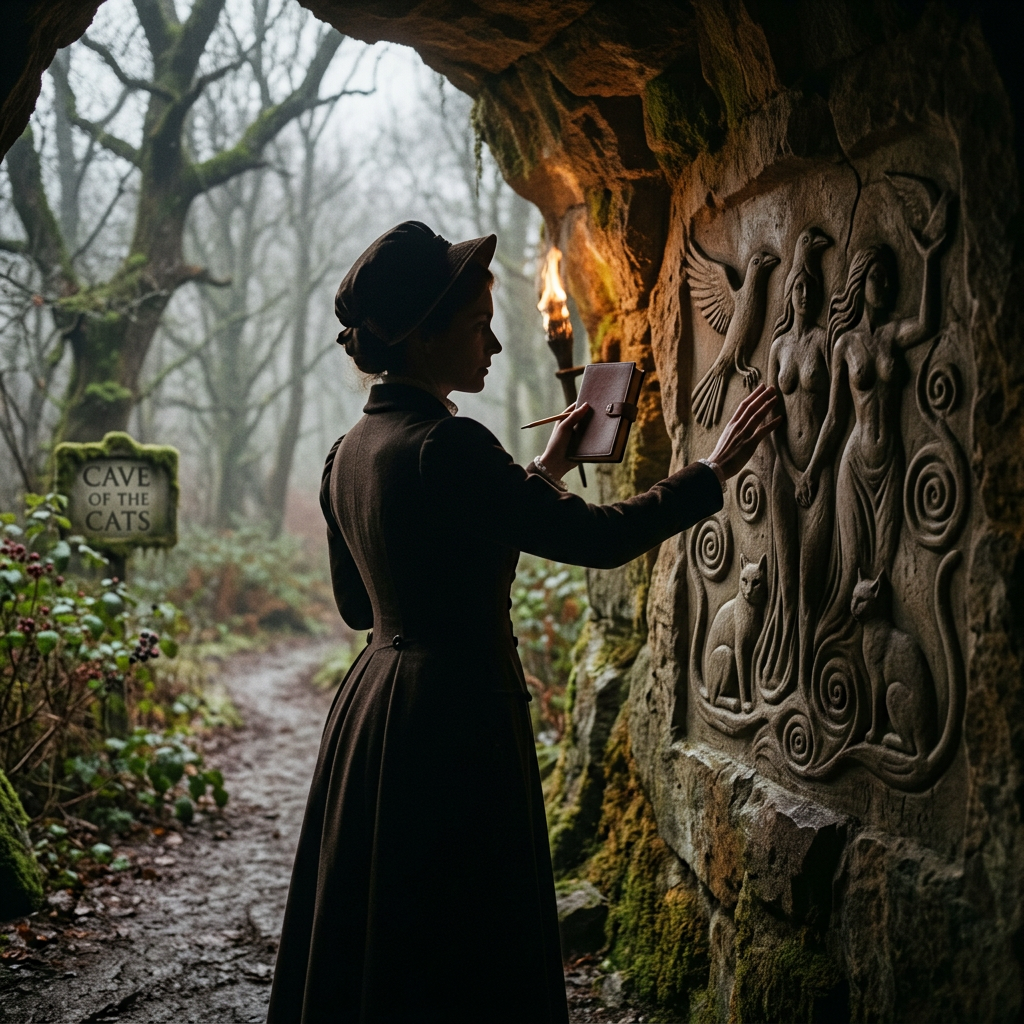
In the fourth journal entry, the Archivist descends into Oweynagat, the Cave of the Cats at Rathcroghan, and returns to weigh what medieval Irish manuscripts actually say of the Morrígan: her cattle thefts, her contested name, her three sisters, and the Samain night when the Otherworld stood open beneath Connacht.