Crime
-
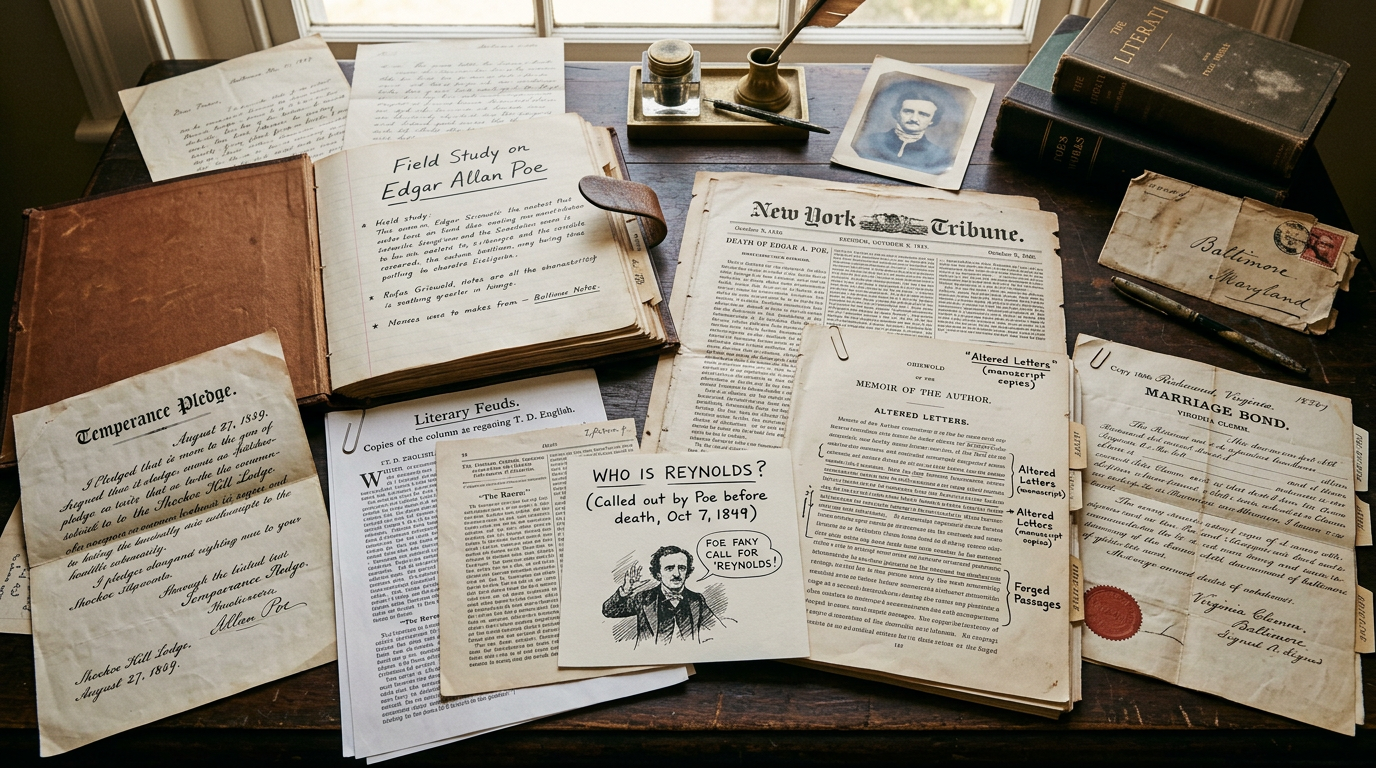
Companion to the Archivist’s journal entry on Edgar Allan Poe, this field study examines the documents behind his legend: Rufus Griswold’s hostile obituary, memoir, and altered letters, the 1836 marriage bond, the 1849 temperance pledge, the literary feuds, and the unidentified Reynolds whom Poe called for while dying in Baltimore.
-
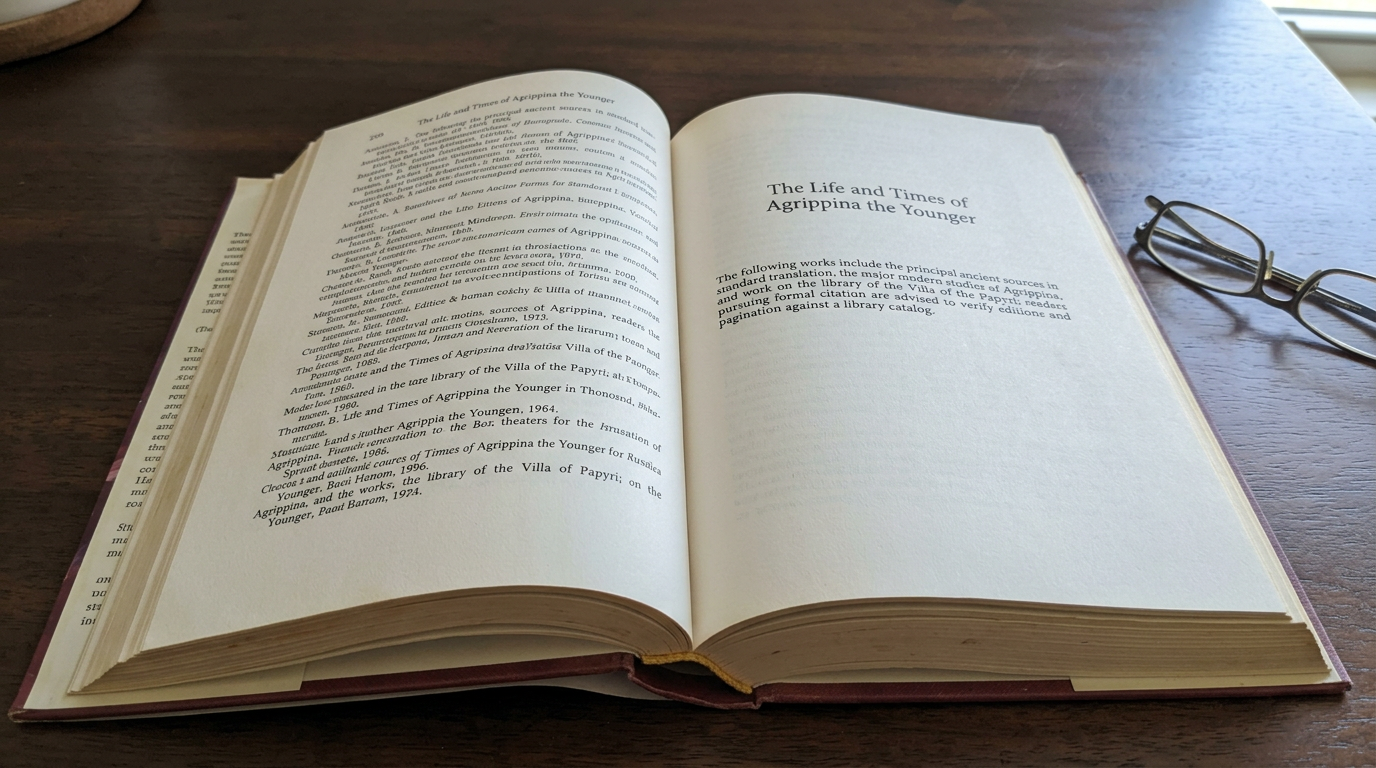
Agrippina the Younger, sister, wife, and mother of emperors, was accused of incest, poisoning, and tyranny before her son had her murdered. This field study weighs those charges against hostile sources, asks whether she was wicked or merely powerful, and investigates her lost memoir and faint hope of its recovery.
-
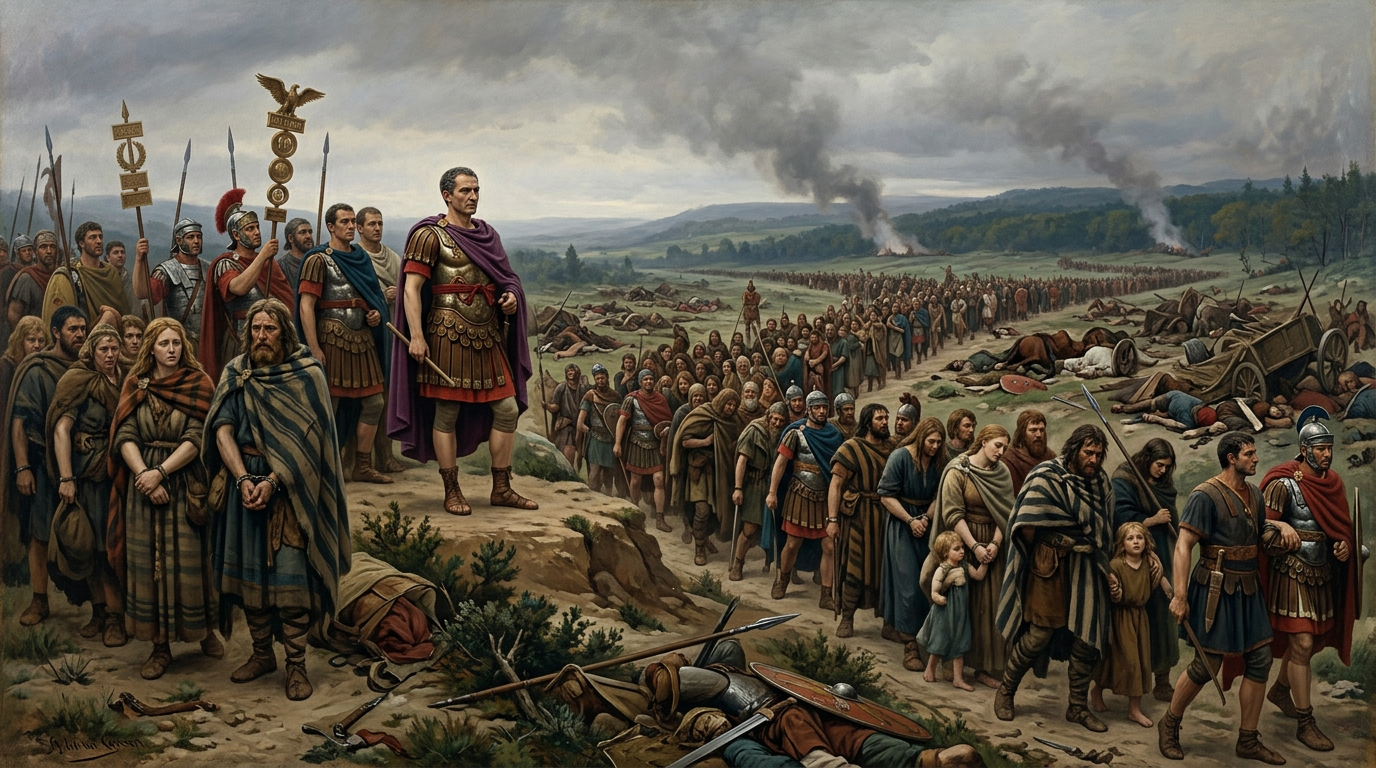
Julius Caesar conquered Gaul at a cost ancient writers put at a million dead and a million enslaved. This field study follows his life, scandals, and assassination, then weighs the Gallic War through ancient and modern lenses, concluding the Eburones and Usipetes episodes meet or approach modern definitions of genocide.
-
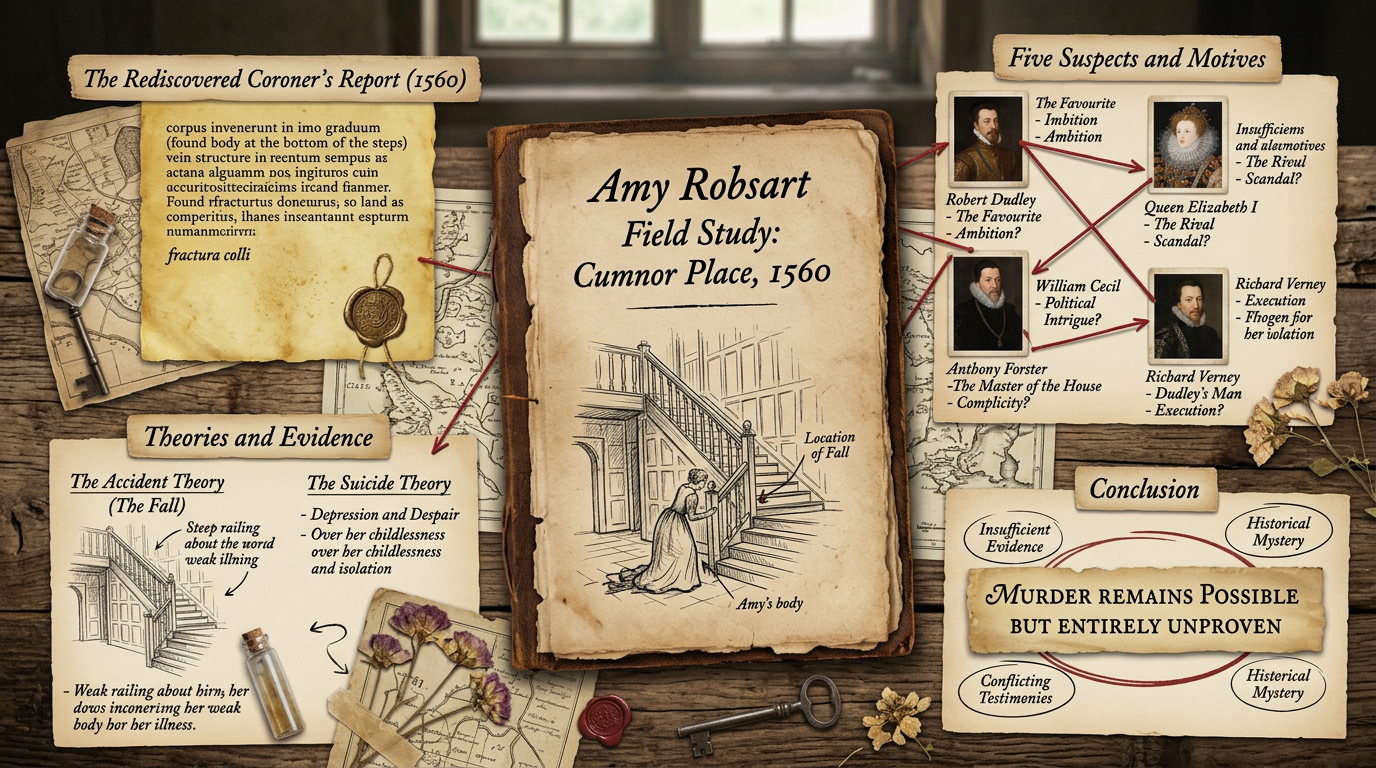
In 1560 Amy Robsart, wife of Elizabeth I’s favourite Robert Dudley, was found dead at the foot of the stairs at Cumnor Place. This field study examines the inquest, the rediscovered coroner’s report, five suspects, and the accident and suicide theories, and concludes that murder remains possible but entirely unproven.
-

Christopher Marlowe, Elizabethan England’s most daring playwright, performed secret service for the Crown and died at Deptford in 1593, stabbed by a companion in the presence of two intelligence men. This field study separates documented fact from probability and speculation, including assassination theories and the claim he faked his death.
-

In April 1834, a fire at Delphine LaLaurie’s New Orleans mansion exposed enslaved people chained and tortured in its upper rooms. This field study separates the documented crime from the lurid inventions added a century later, centering the unnamed victims and the system of slavery that made their suffering possible.
-
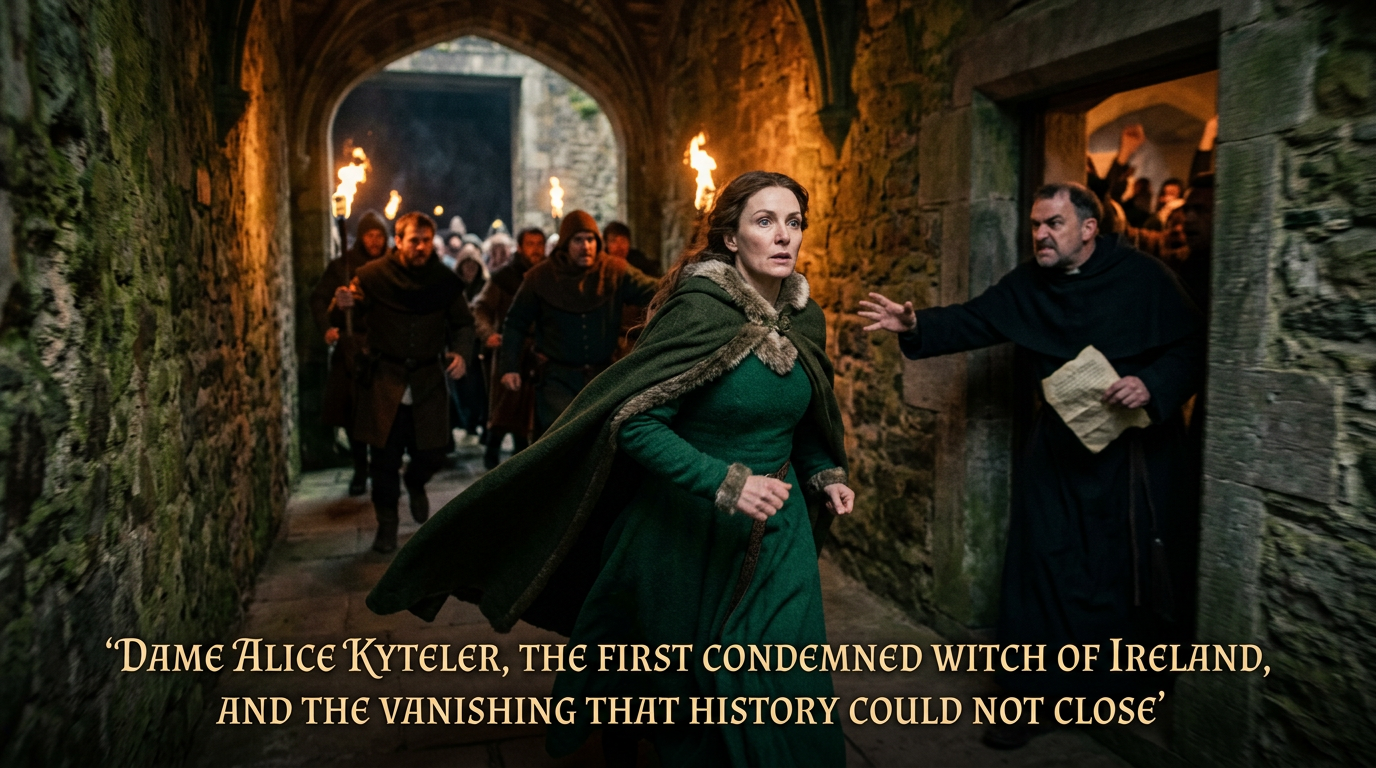
Dame Alice Kyteler, the first person condemned for witchcraft in Ireland, escaped before her 1324 sentencing while her servant Petronilla de Meath burned in her place. This field study reconstructs the wealthy widow behind the accusation, weighs the motives that doomed her, and asks whether she survived and fled abroad.
-
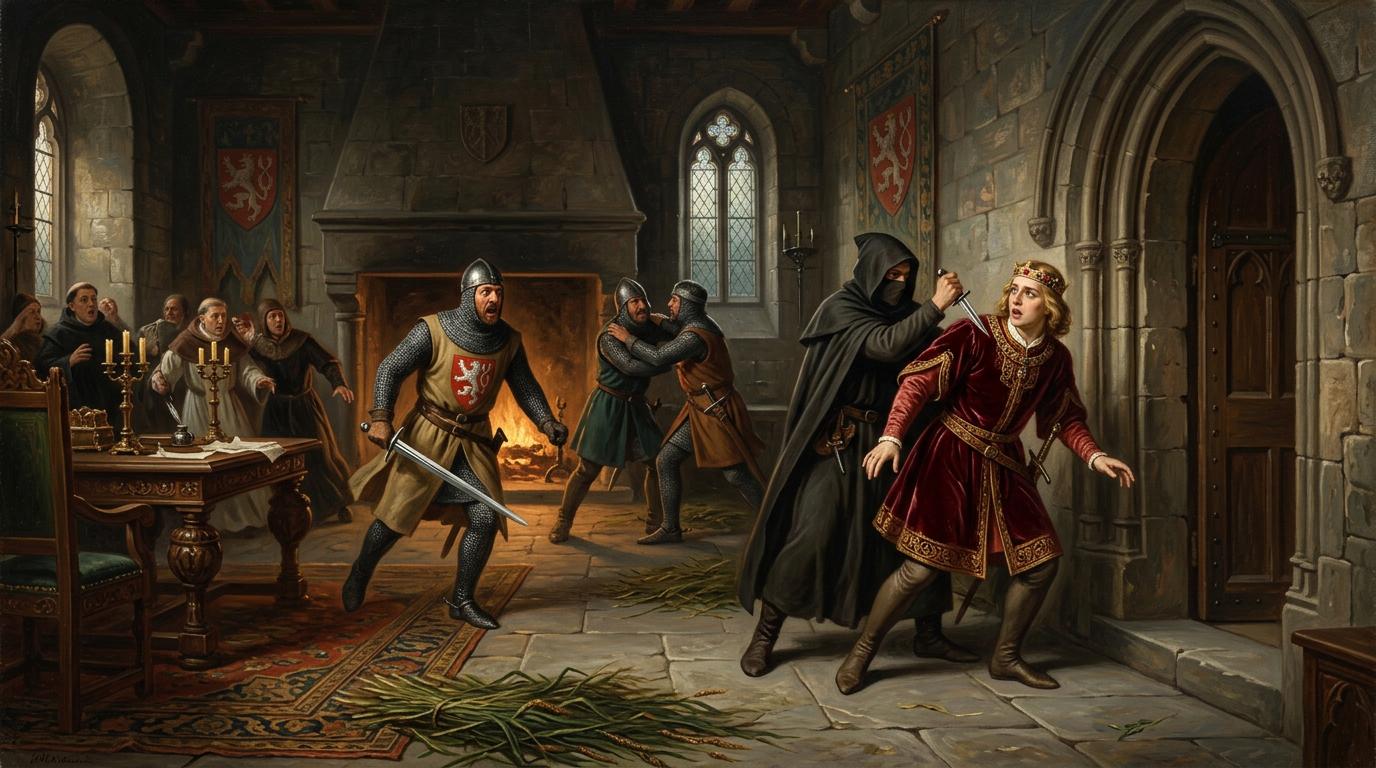
On 4 August 1306, sixteen-year-old King Wenceslaus III fell to an assassin’s blade in Olomouc, extinguishing the male Přemyslid line. This archival study examines his brief life, the four suspected parties, and the historical consensus pointing toward Bohemian nobility as the likeliest hand behind an unsolved murder.
-

The 1908 drowning of Hazel Drew in a remote New York millpond—an unsolved murder that gripped the nation, then faded—examined as artifact of class, gender, and regional folklore, and traced to its strange rebirth as the inspiration for Twin Peaks’ Laura Palmer.
-

In the summer of 1878, the outlaw Sam Bass rode into Round Rock, Texas, betrayed and hunted. What followed was a hail of gunfire, a contested killing shot, and a lonely death beneath a tree—a legend forever unresolved, awaiting the discerning collector who dares examine its record.