mythology
-

The buried King Titus curses the moon goddess Seris (blue-skinned goddess like a blue-jay) , stealing her green-eyed children every twenty-five years to fuel his eventual resurrection. While a malevolent witch harvests these innocents for power, an ancient prophecy foretells the arrival of Anise (a black young woman with emerald eyes), a “twice-marked” girl destined…
-

Meet Anansi, the spider-trickster born in Akan-Ashanti tradition who conquered powerful foes through wit alone. Carried across the Atlantic by enslaved Africans, his tales became weapons of resistance, vessels of memory, and moral teachers from Ghana to Jamaica to Suriname. This is the story of how a spider became a hero.
-
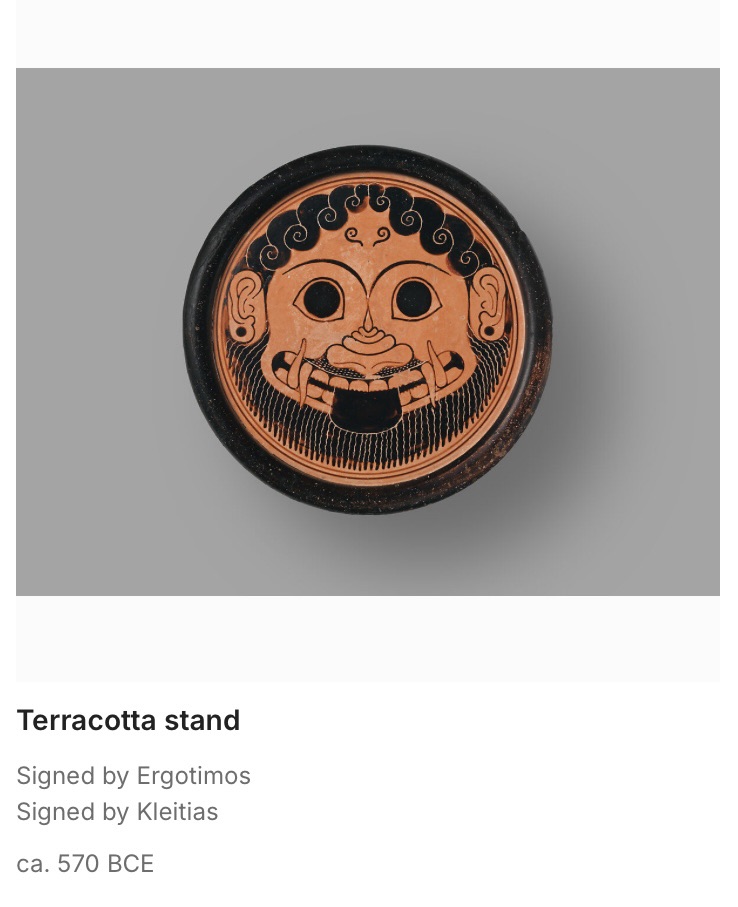
Explore the evolving depiction of Medusa in ancient Greek art and mythology. From the grotesque Archaic gorgoneion to the idealized Classical beauty, this analysis examines her role as an apotropaic symbol of protection, the complex narratives of her demise, and her enduring presence as a potent, otherworldly force.
-

Boann, the Irish goddess of the River Boyne, embodies creation through both love and transgression. Her myths explain the winter solstice at Newgrange and the river’s origin. A symbol of sovereignty, wisdom, and sacrifice, she represents the Celtic fusion of landscape and divinity, remaining a potent figure in modern spirituality.
-

Carl Jung’s Red Book (1914-1930) is an illuminated manuscript documenting his visionary exploration of the unconscious after his split from Freud. This “most difficult experiment,” blending stunning art with psychological commentary, formed the foundational mythic core of his theories. Locked away for decades, its 2009 publication revolutionized understanding of his work.
-

assandra, the Trojan priestess, was gifted with true prophecy by Apollo but cursed never to be believed. She foresaw the Trojan War’s destruction, including the Trojan Horse, yet was ignored. After Troy fell, she was taken by Agamemnon and murdered with him in Mycenae. Her name now symbolizes accurate but unheeded warnings, reflecting timeless themes…
-

The Buschgroßmutter is an ambivalent forest spirit from German folklore, appearing as a moss-covered crone. She rewards those who comb her lice-ridden hair with magical gifts but punishes the disrespectful with illness. A figure used to scare children, she personifies nature’s dual capacity for kindness and harshness.
-

Brigid—goddess and saint—represents one of the most fascinating syncretic traditions in Celtic history. From pre-Christian myth to medieval hagiography, her attributes—poetry, healing, fire, and fertility—transcend religious boundaries. This continuity reflects Ireland’s preservation of its cultural identity even amid conversion, making Brigid a timeless symbol of spiritual resilience.
-
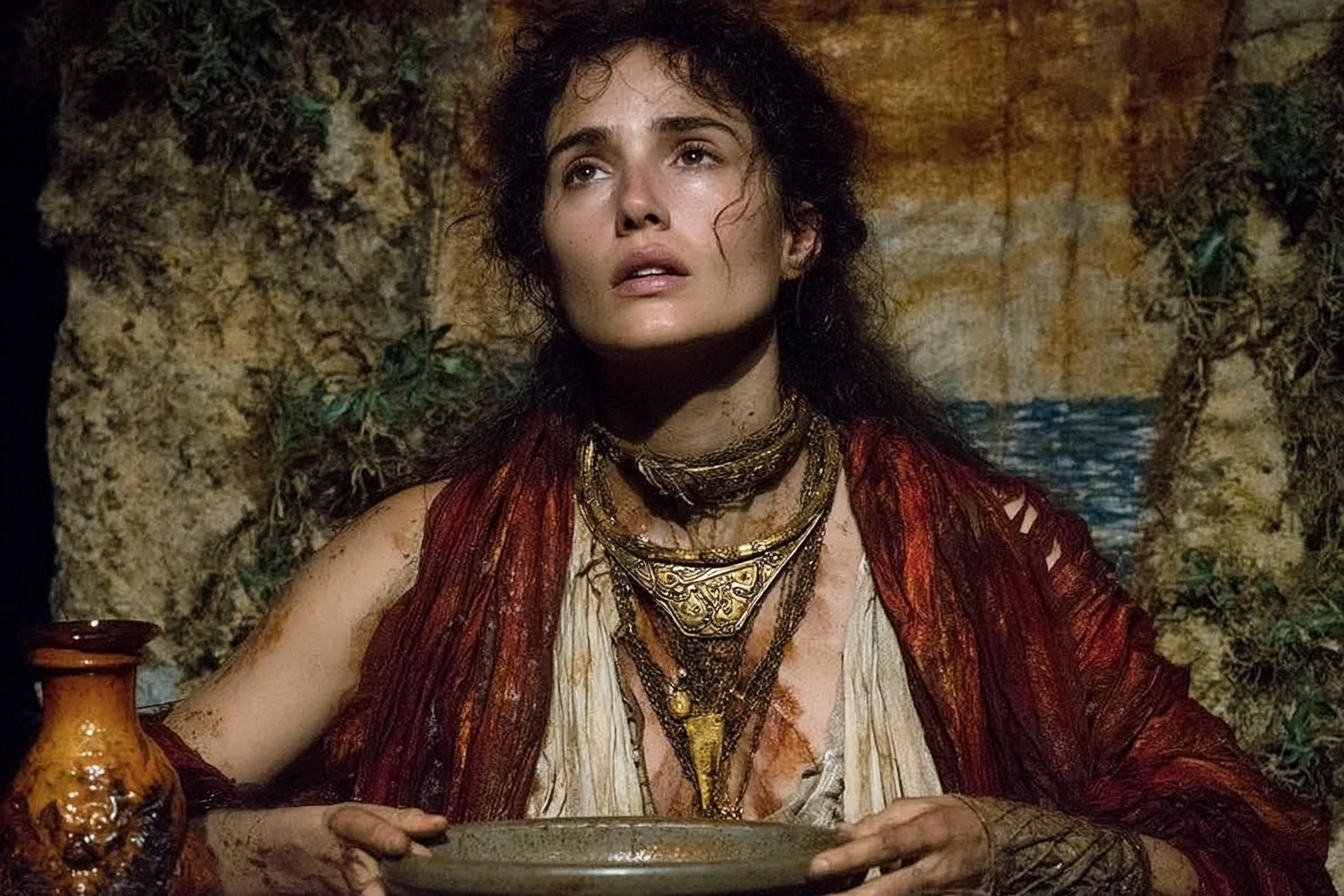
Rosie Hewlett’s The Witch of Colchis re-centers the myth of Jason and the Argonauts through the eyes of Medea. This powerful, humanizing retelling explores her not as a monster, but as a priestess, a witch, and a woman betrayed, offering a poignant and psychologically rich reclamation of a classical villain.
-
Gaia, the primordial Greek Earth goddess, is the foundational mother of the cosmos. She birthed the Titans, Sky, and Sea, and orchestrated the overthrow of Uranus. Her limited but profound cults focused on oracular power and chthonic nourishment. Scholars view her as a cosmic principle of cyclical creation, while modern pagans often see her as…