mythology
-

n the alchemical whitening (albedo) stage, the White Queen emerges, a lunar sovereign embodying purity and quicksilver’s fluidity. Partner to the Red King, their union births the Philosopher’s Stone. Rooted in Isis and Sophia, medieval scribes obscured her, fearing feminine power. Jung reimagined her as the anima; modern mystics resurrect her—a symbol of transformation bridging…
-

Freyja, Norse goddess of love and war, wields paradoxical power. Master of seiðr magic, she taught Odin its arts. Her golden tears and Brísingamen necklace embody desire’s alchemy. Claiming warriors for Fólkvangr, she merges fertility with battle. A timeless icon, Freyja’s mysticism captivates seekers of divine duality.
-

In the moonlit wilds of ancient Greece, Artemis reigned—a paradox of ferocity and grace. With her silver bow, she guarded childbirth yet punished hubris, turning mortal intruders like Actaeon into prey. Her Ephesus temple, adorned with enigmatic symbols, echoed her untamed sovereignty. A feminist icon millennia ahead of her time, Artemis’ legacy whispers: Autonomy is…
-
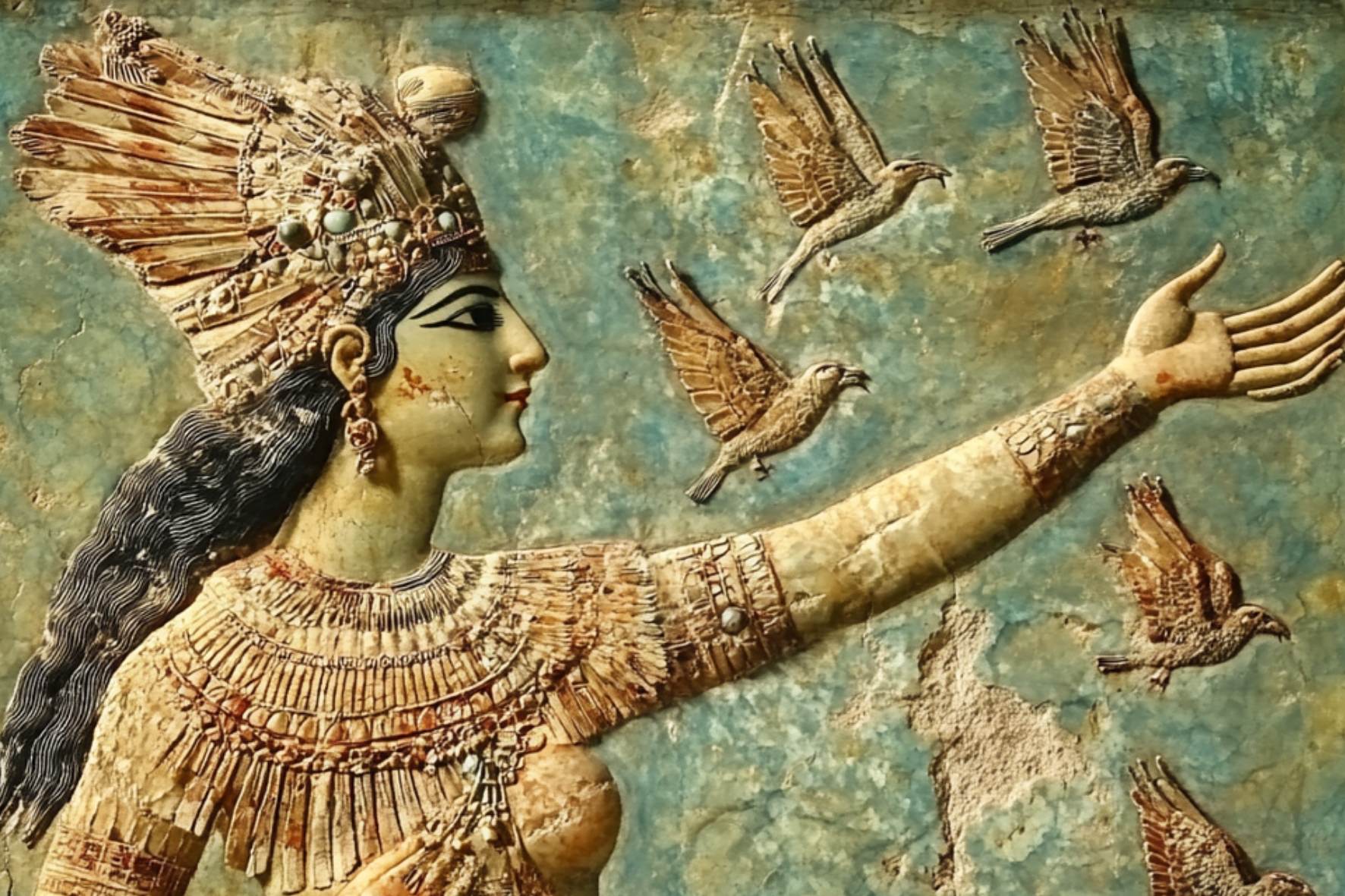
Inanna—Sumerian storm of desire and destruction—defied death itself, descending to the underworld to reclaim her throne. Her sacred union with kings ensured earthly fertility, while her star, Venus, guided empires. From Astarte to Aphrodite, her essence endured: a goddess unyielding as war, tender as dawn, reborn in modern cries for divine femininity.
-

Madeline Miller’s “Circe” reimagines ancient Greek mythology through the lens of its titular character, transforming her from a minor figure to a complex protagonist. The novel delves into themes of identity, feminine power, and resilience, portraying Circe’s journey of self-discovery and independence against the backdrop of a richly detailed mythological world.
-

Medea, a powerful figure in ancient mythology, embodies both reverence and revulsion. Her tale of love, betrayal, vengeance, and redemption transcends time, exploring the depths of human emotion and metaphysical mysteries. As a sorceress, her journey challenges patriarchal norms, asserting female autonomy. Medea’s narrative continues to inspire and provoke reflection on gender, power, and identity.