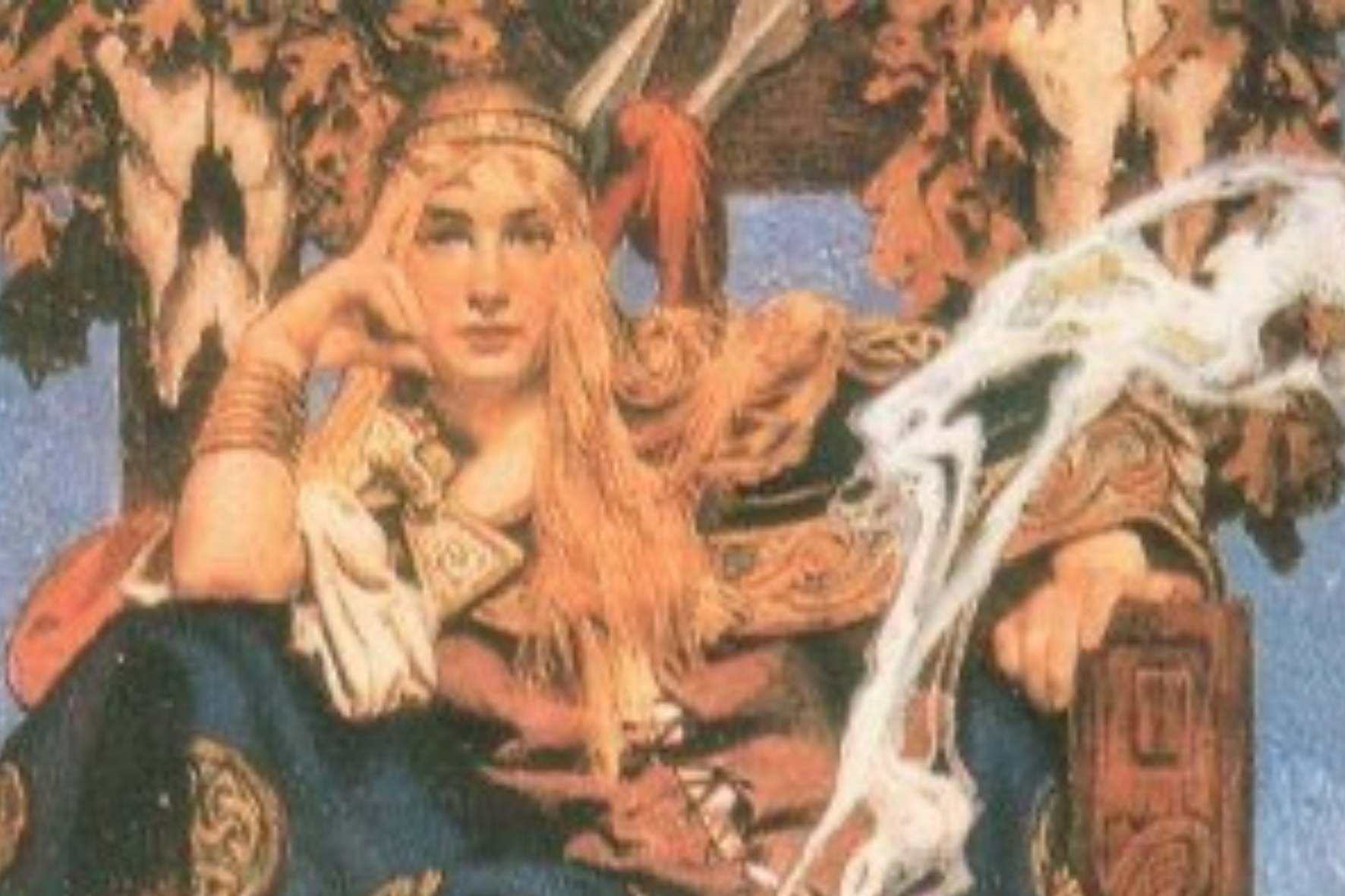

Introduction: The Enigma of a Celtic Titan
Imagine the mist-shrouded hills of ancient Ireland, where warriors clashed under banners of loyalty and ambition. At the center of this primal world stood Queen Maeve (Medb), a ruler whose name echoes through millennia as a symbol of power, strategy, and unyielding defiance. Was she a mortal queen, a goddess incarnate, or a myth spun from the threads of Ireland’s rich oral tradition? Medb’s story blurs the lines between history and legend, leaving us to unravel her enigmatic legacy. From her audacious cattle raids to her complex marriages, she remains one of Ireland’s most captivating figures. Join us as we journey through her life, battles, and enduring influence—both in the ancient world and our modern imagination.
The Rise of a Warrior Queen: Medb’s Early Life and Ascension
Medb’s origins are steeped in myth, yet historical fragments suggest she may have ruled Connacht around the 1st century BCE. According to the Ulster Cycle of Irish mythology, she was the daughter of High King Eochu Feidlech and inherited her claim to sovereignty through matrilineal descent—a rarity in patriarchal Celtic societies.
Key Historical Context:
– Matrilineal Power: Celtic Ireland recognized powerful female leaders, though their authority often intertwined with symbolic marriage alliances.
– Marriage as Strategy: Medb’s multiple marriages (to Conchobar mac Nessa, Ailill mac Máta, and others) were political maneuvers to consolidate power.
Further Insight:
Scholars like Dr. Edel Bhreathnach, author of Medb and the Ulster Cycle, emphasize Medb’s role as a sovereignty goddess—a divine figure who legitimized kings through marriage. This theory is supported by medieval manuscripts like the Book of Leinster (12th century CE), housed in Trinity College Dublin.
Online Resources:
Digital archives like Irish Script on Screen offer scans of these manuscripts, bridging ancient texts with modern accessibility.
The Cattle Raid of Cooley: Medb’s Most Famous Campaign
The Táin Bó Cúailnge (Cattle Raid of Cooley) is Medb’s defining tale. Determined to equal her husband Ailill’s wealth, she sought the legendary Brown Bull of Cooley, sparking a war with Ulster.
Timeline of the Táin:
| Event | Description
|———————–|—————————————————————————–|
| Medb’s Demand | Ulster’s refusal to surrender the bull triggers invasion. |
| Cú Chulainn’s Defense | The teen warrior single-handedly stalls Medb’s army with guerrilla tactics. |
| Final Battle | Medb secures the bull but loses allies, wealth, and her daughter Finnabair.
Modern Resonance:
The Táin mirrors themes of ambition and sacrifice. As novelist Pat McCabe notes, “Medb’s obsession with equality—even in possessions—speaks to timeless struggles for power and recognition.”
Medb’s Reign: Power, Politics, and Personality
Medb’s rule was marked by shrewd diplomacy and relentless ambition. She governed from Rathcroghan (Cruachan), a royal site in County Roscommon, now a UNESCO-endorsed archaeological treasure.
Traits of a Legendary Leader:
– Charismatic Authority: Medb’s warriors followed her unconditionally, inspired by her battle cries and promises of glory.
– Flawed Humanity: Legends depict her as vengeful and proud—yet undeniably human.
Exploration:
Visit Rathcroghan Visitor Centre to walk Medb’s alleged burial mound or explore Oweynagat cave, dubbed “Ireland’s Gate to Hell,” where she was said to commune with spirits.
The Legacy of Queen Medb:
From Ancient Lore to Modern Culture
Medb’s influence spans centuries:
1. Folklore: She’s a cautionary symbol of hubris in Irish oral traditions.
2. Feminist Icon: Modern scholars celebrate her autonomy in a male-dominated world.
3. Pop Culture: Appears in graphic novels (The Cattle Raid of Cooley by Colmán Ó Raghallaigh) and TV shows (Cú Chulainn: Bloodthirsty Celtic Hero).
Does Medb’s portrayal as both hero and antihero reflect societal ambivalence toward powerful women?
Unearthing Medb’s World: Historical Exploration
1. Archaeological Sites:
2. Academic Texts:
– The Táin: Translated by Thomas Kinsella (1969)
Local Lore:
Irish pubs often harbor storytellers (seanchaí) reciting Medb’s tales—proof of her enduring grip on cultural memory.
Medb in the Digital Age: Online Resources and Communities
– Digital Archives: CELT: Corpus of Electronic Texts offers free translations of medieval Irish literature.
– Social Media: Reddit’s r/IrishHistory and #QueenMedb on TikTok spark lively debates.
Conclusion: Medb’s Shadow and Light
Queen Medb’s legacy is a tapestry of triumph and tragedy. She challenges us to reconsider power, gender, and the stories we tell about our past. Was she a feminist avant la lettre or a mythic cautionary tale? Her duality ensures she remains relevant in an era grappling with similar questions.
Final Questions for Reflection:
1. How does Medb’s pursuit of equality resonate in today’s struggles for gender parity?
2. Can separating the historical Medb from her mythic persona deepen our understanding of ancient Ireland?
3. What might Medb’s reign teach modern leaders about ambition and its costs?
Medb’s voice still whispers in the winds of Rathcroghan—a reminder that legends never truly die.
Leave a Reply