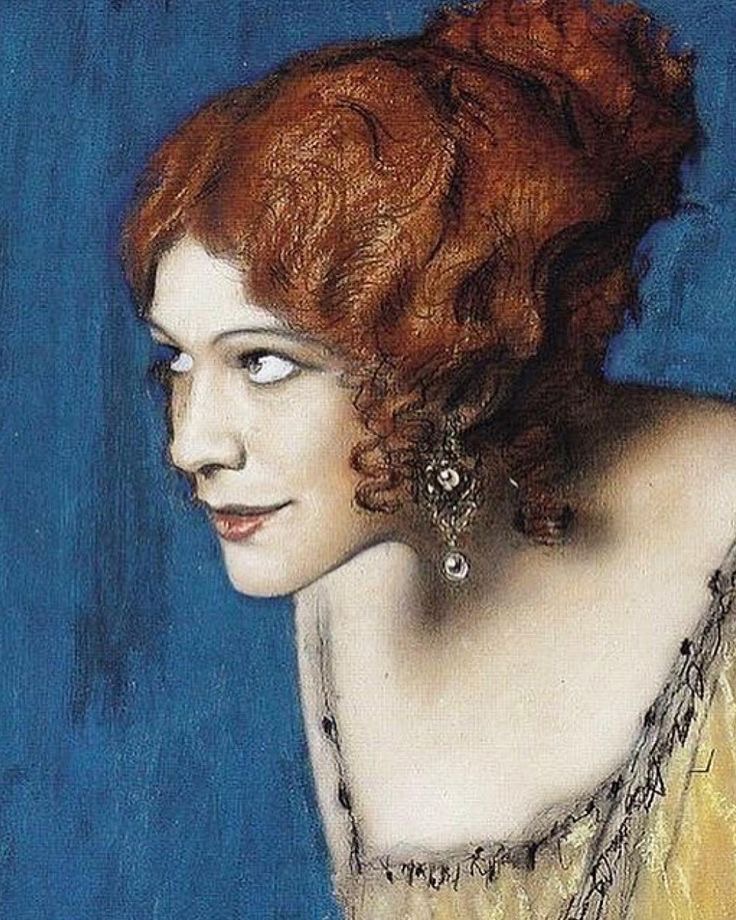

The Enigmatic Witches of Thessaly
The witches of Thessaly have long captivated the imagination in Greek mythology and folklore with their powerful magic and mysterious practices. This essay delves into the origin and history of these ancient sorceresses, exploring their significance in ancient Greek culture and mythology.
Thessaly, known for its fertile plains and mystical landscapes, was believed to be a center of magical activity where witches possessed extraordinary powers to commune with the supernatural. Legends spoke of their ability to control elements, summon spirits, and cast potent spells.
Medea and Circe: Sorceresses of Thessaly
One of the prominent figures, Medea, a renowned sorceress born in Thessaly, aided Jason and the Argonauts in their quest for the Golden Fleece. Medea’s mastery of herbs and potions played a vital role in their adventures, showcasing both her benevolent aid and darker capabilities for vengeance.
Circe, another notable figure associated with the witches of Thessaly from Homer’s Odyssey, possessed the ability to transform men into animals with her wand. Living on the island of Aeaea, possibly in Thessaly, Circe instilled fear in sailors who dared to approach her domain.
The Dual Nature of Thessalian Witches: Benefactors and Bewitchers
Although sometimes depicted negatively, the witches of Thessaly were also revered as wise healers who used their powers for the greater good. They were believed to possess extensive knowledge of nature and could cure illnesses with herbal remedies.
Witches of Thessaly: Symbols of Power and Peril in Ancient Greece
Despite their perceived influence, the witches of Thessaly were portrayed as susceptible to divine retribution, reflecting ancient Greek society’s complex views on magic and witchcraft. Whether feared or respected, these witches offer valuable insights into cultural beliefs and values of the time.
In Greco-Roman literature, figures like Circe and Medusa symbolize archetypical representations of witchcraft, with ties to peripheral regions like Aiaia and Colchis. Their expertise in potions and transformative abilities highlight the multifaceted nature of witches who wield both harmful and healing powers.
As the focus of witchcraft shifted to Thessaly by the fifth century BC, the region gained a reputation for magic and supernatural practices. Literary works from authors like Aristophanes, Plautus, Horace, and Lucan further solidified Thessaly’s association with witchcraft in the ancient world, emphasizing the marginalization of witch figures from remote regions.
Thessaly: A Nexus of Magic and Mystery
The portrayal of witches in ancient literature reflects societal perspectives on marginalized groups and the allure of the supernatural. Whether dwelling in distant islands or originating from magical regions like Thessaly, witches continue to shape narratives of mythology and literature, highlighting the enduring fascination with magic and mystique in ancient cultures.

2 responses to “From Myth to Reality: Thessalian Witches in Historical Context”
Love this!🖤
Thanks!