Greek Mythology
-

The Amazons, famed in Greek myth as a society of warrior women, were once considered fiction. Archaeology reveals armed female burials across the Eurasian steppes, confirming Scythian and Sarmatian warrior women inspired the legends. While the all-female society is mythical, Greeks elaborated real nomadic horsewomen into the Amazon archetype, blending myth with historical reality.
-

Clytemnestra, Queen of Mycenae, is infamous for murdering her husband Agamemnon. Her myth, however, reveals profound complexity: a bereaved mother avenging her sacrificed daughter Iphigenia, a capable ruler, and a symbol of challenging patriarchal authority. Her evolution from Homeric villain to tragic, sympathetic figure in modern retellings highlights her enduring power as a cultural archetype…
-

assandra, the Trojan priestess, was gifted with true prophecy by Apollo but cursed never to be believed. She foresaw the Trojan War’s destruction, including the Trojan Horse, yet was ignored. After Troy fell, she was taken by Agamemnon and murdered with him in Mycenae. Her name now symbolizes accurate but unheeded warnings, reflecting timeless themes…
-

Helen of Troy is a complex fusion of myth, possible Bronze Age memory, and pre-Greek goddess worship. While not a historical individual, her legend explores agency, beauty’s power, and war’s causes. From Spartan cults to Homeric epic, she endures as a timeless symbol of desire and destruction.
-
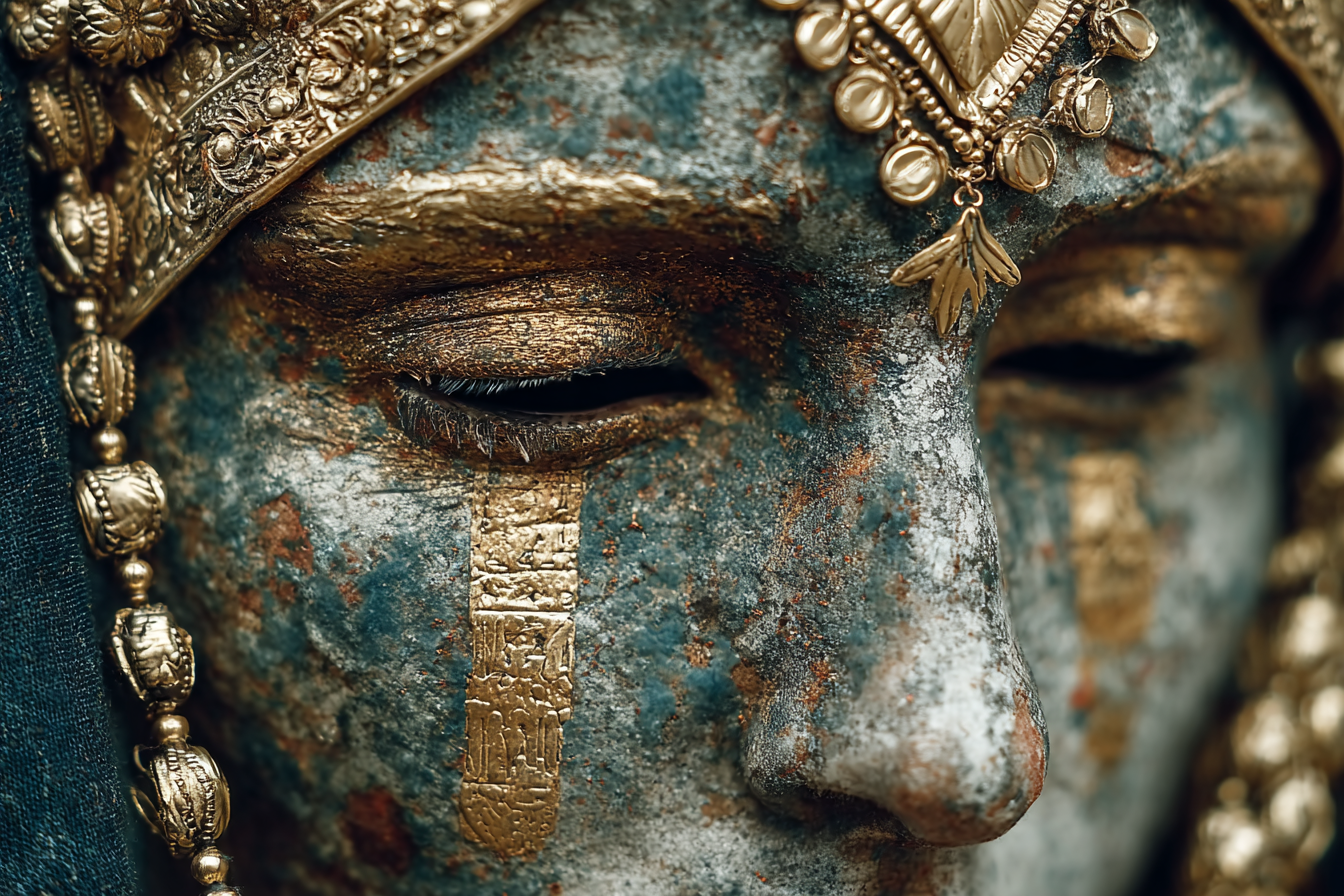
Thessaly was the epicenter of ancient Greek witchcraft, home to both herbalists (pharmakeis) and ritualistic necromancers (goētes). This article explores why this region became synonymous with magic, profiling infamous witches like Erictho and examining their tools—from potent pharmaka to sinister katadesmoi. Dive into the dark world where myth meets reality.
-
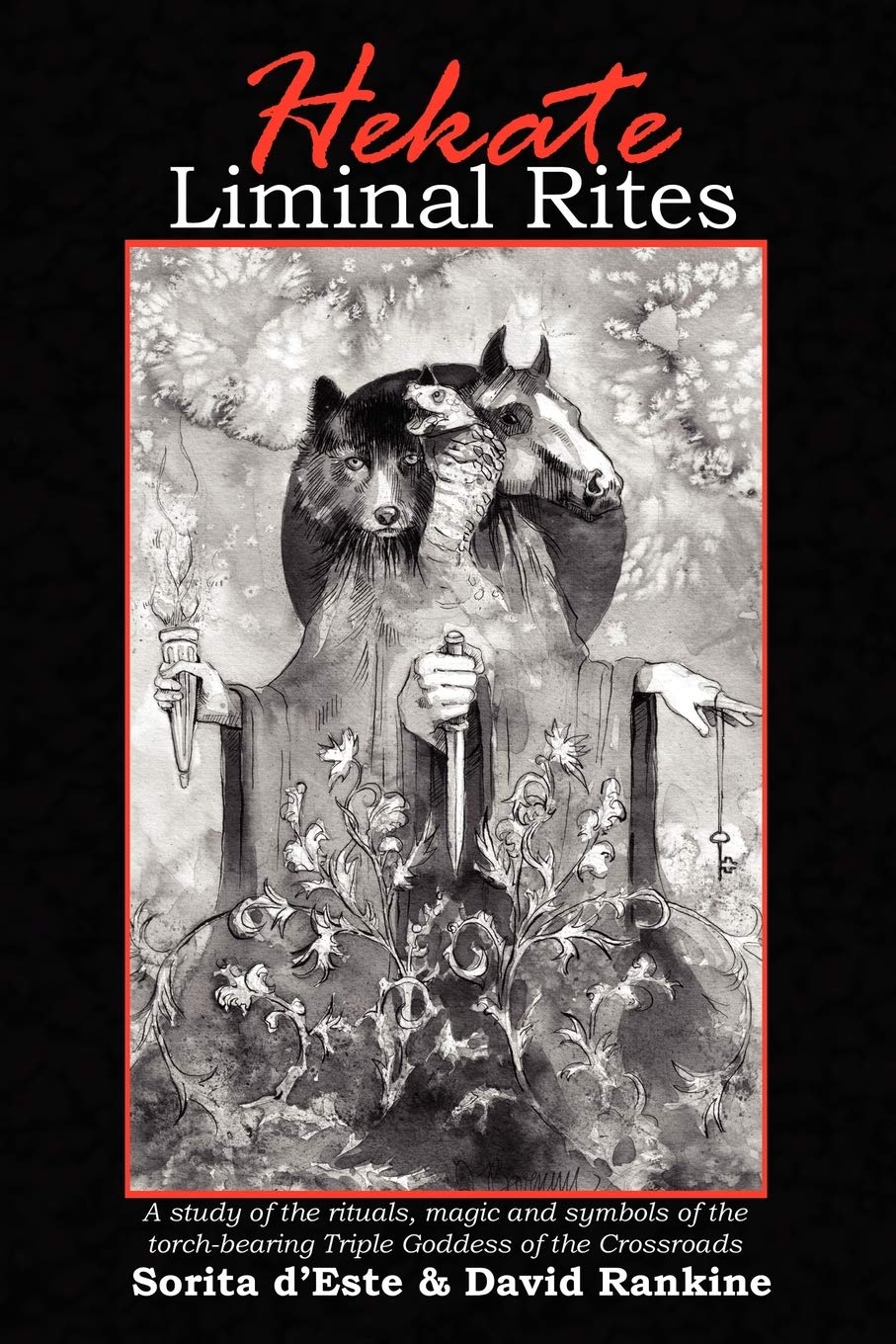
At the crossroads of life, death and rebirth stands the Goddess Hekate. Honoured by men, women and gods alike, traces of her ancient provenance reach back through the millennia providing clues about her nature and origins along the way. Depictions of her as three-formed facing in three ways, sometimes with the heads of animals such…
-
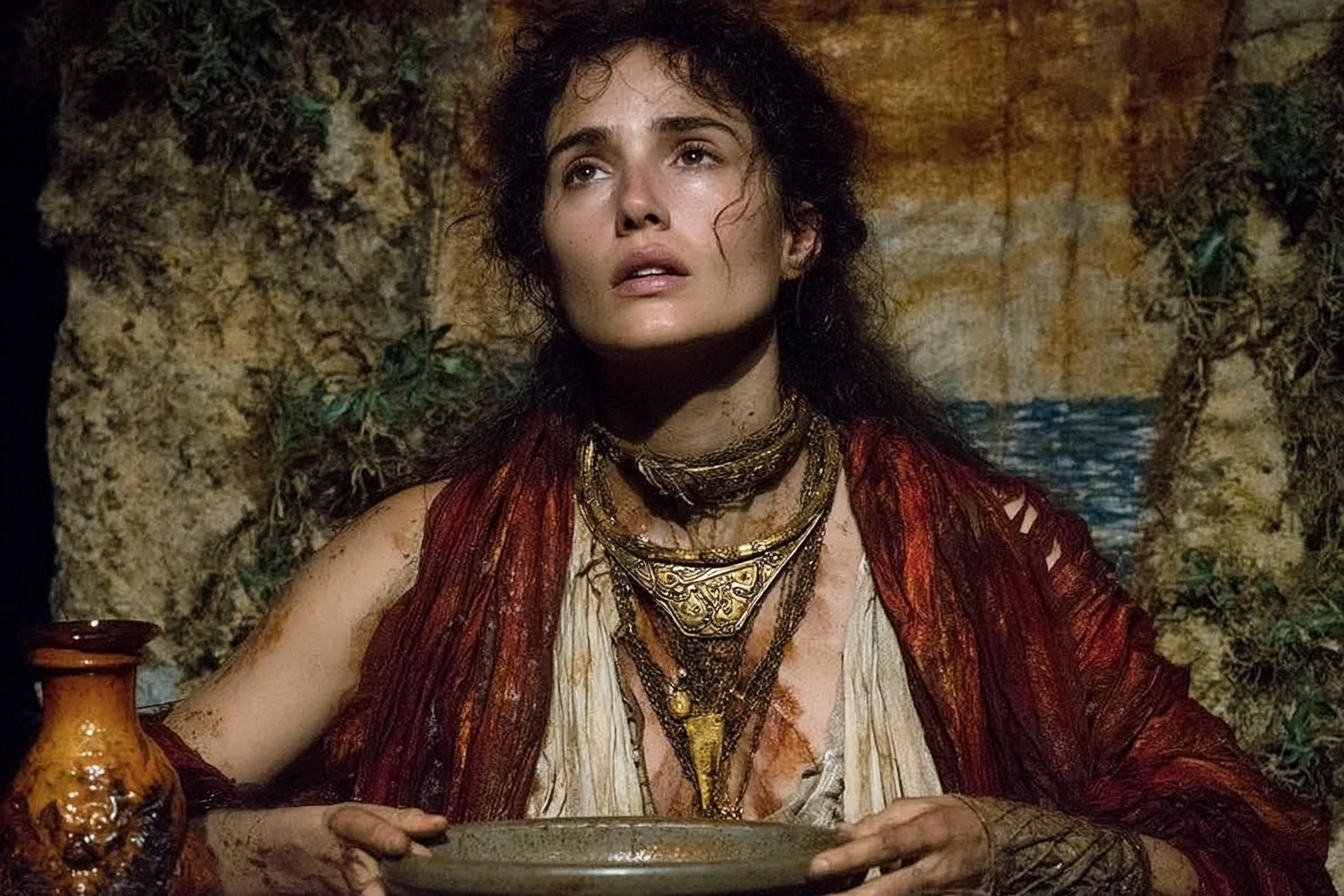
Rosie Hewlett’s The Witch of Colchis re-centers the myth of Jason and the Argonauts through the eyes of Medea. This powerful, humanizing retelling explores her not as a monster, but as a priestess, a witch, and a woman betrayed, offering a poignant and psychologically rich reclamation of a classical villain.
-
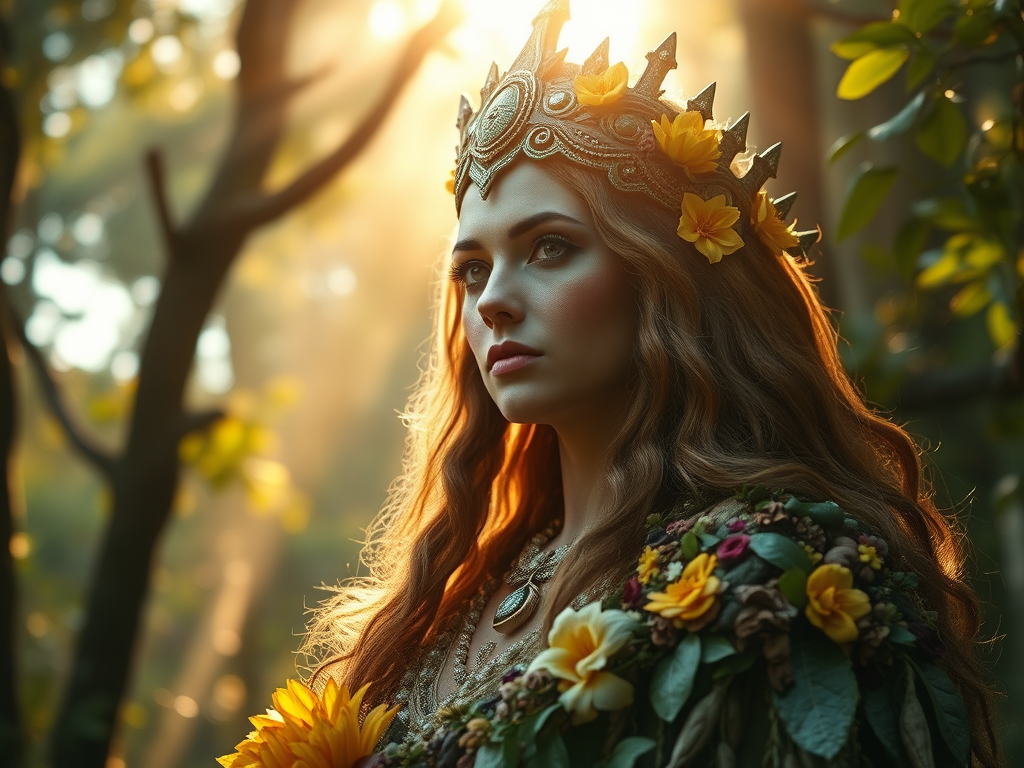
Gaia, the primordial Greek Earth goddess, is the foundational mother of the cosmos. She birthed the Titans, Sky, and Sea, and orchestrated the overthrow of Uranus. Her limited but profound cults focused on oracular power and chthonic nourishment. Scholars view her as a cosmic principle of cyclical creation, while modern pagans often see her as…
-
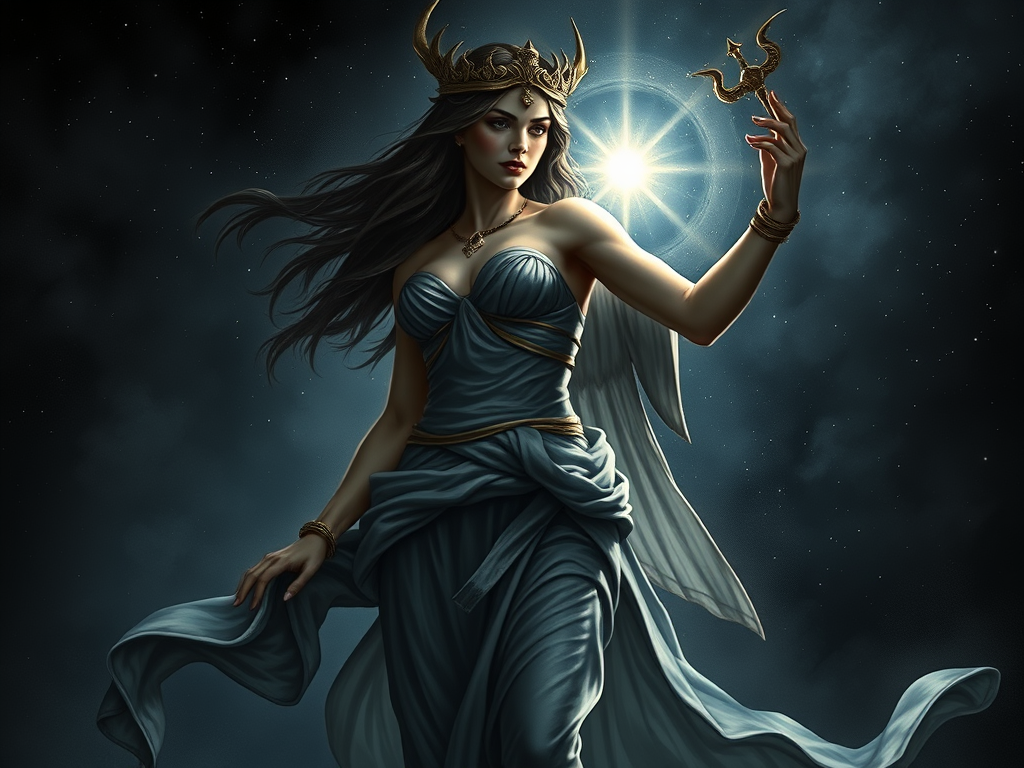
Nyx, the primordial Greek goddess of Night, emerges from Chaos as a formidable, independent feminine force. She births personifications of fundamental, often dark, aspects of existence—from Sleep and Death to the Fates. Feared by Zeus and central to esoteric Orphic cosmogonies, Nyx represents an ancient, potent archetype of feminine power and mystery that existed alongside…
-
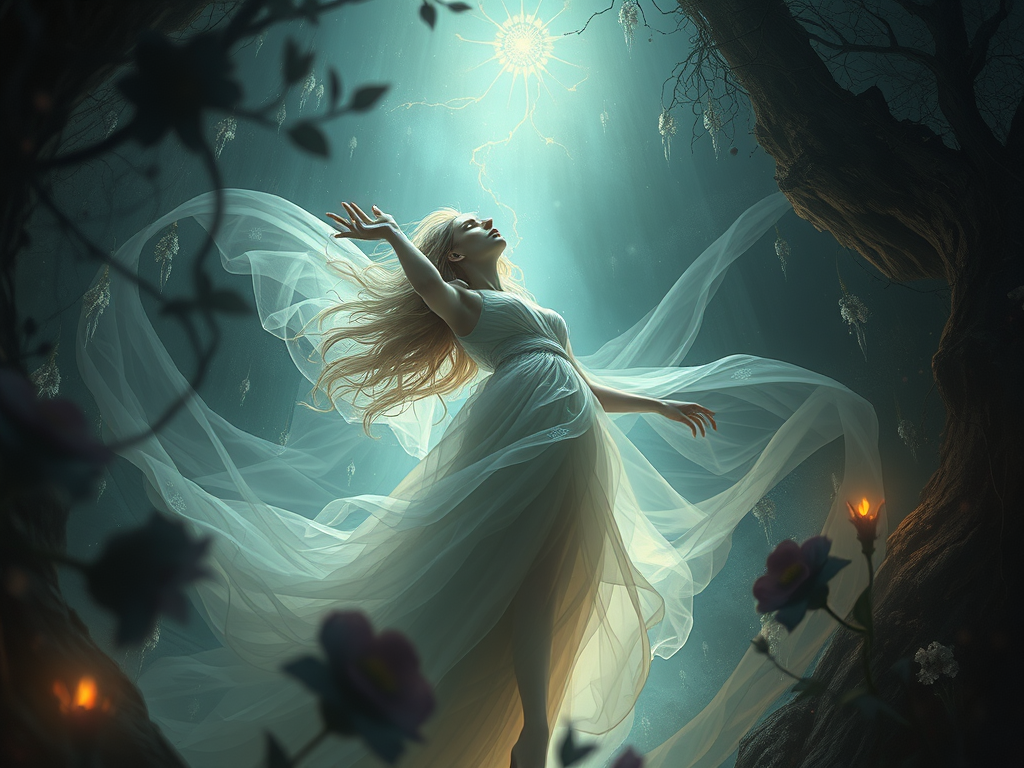
Persephone’s Descent: This poetic narrative reimagines Persephone’s descent into the underworld, guided by Hekate and bound to Hades—a metaphor for cyclical trauma, agency, and devotion. Through a lens of cultural psychology and sociology, it explores how ancient myths reflect enduring human themes of love, sacrifice, and eternal recurrence.