Ancient Greece
-
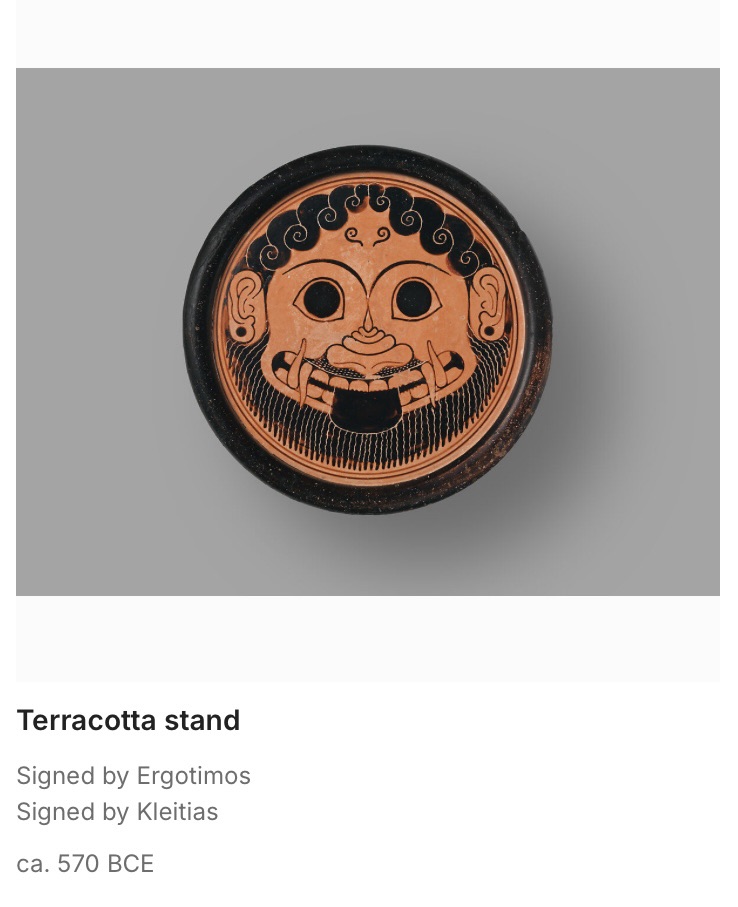
Explore the evolving depiction of Medusa in ancient Greek art and mythology. From the grotesque Archaic gorgoneion to the idealized Classical beauty, this analysis examines her role as an apotropaic symbol of protection, the complex narratives of her demise, and her enduring presence as a potent, otherworldly force.
-

The Amazons, famed in Greek myth as a society of warrior women, were once considered fiction. Archaeology reveals armed female burials across the Eurasian steppes, confirming Scythian and Sarmatian warrior women inspired the legends. While the all-female society is mythical, Greeks elaborated real nomadic horsewomen into the Amazon archetype, blending myth with historical reality.
-

Clytemnestra, Queen of Mycenae, is infamous for murdering her husband Agamemnon. Her myth, however, reveals profound complexity: a bereaved mother avenging her sacrificed daughter Iphigenia, a capable ruler, and a symbol of challenging patriarchal authority. Her evolution from Homeric villain to tragic, sympathetic figure in modern retellings highlights her enduring power as a cultural archetype…
-

assandra, the Trojan priestess, was gifted with true prophecy by Apollo but cursed never to be believed. She foresaw the Trojan War’s destruction, including the Trojan Horse, yet was ignored. After Troy fell, she was taken by Agamemnon and murdered with him in Mycenae. Her name now symbolizes accurate but unheeded warnings, reflecting timeless themes…
-

Poison hemlock (Conium maculatum) is a toxic biennial plant native to Europe, identified by purple-spotted stems. Its alkaloids, particularly coniine, cause fatal respiratory paralysis. Historically used in ancient Greek executions and sacred to the goddess Hekate, it remains a powerful symbol in modern pagan traditions and a hazardous invasive species globally.
-
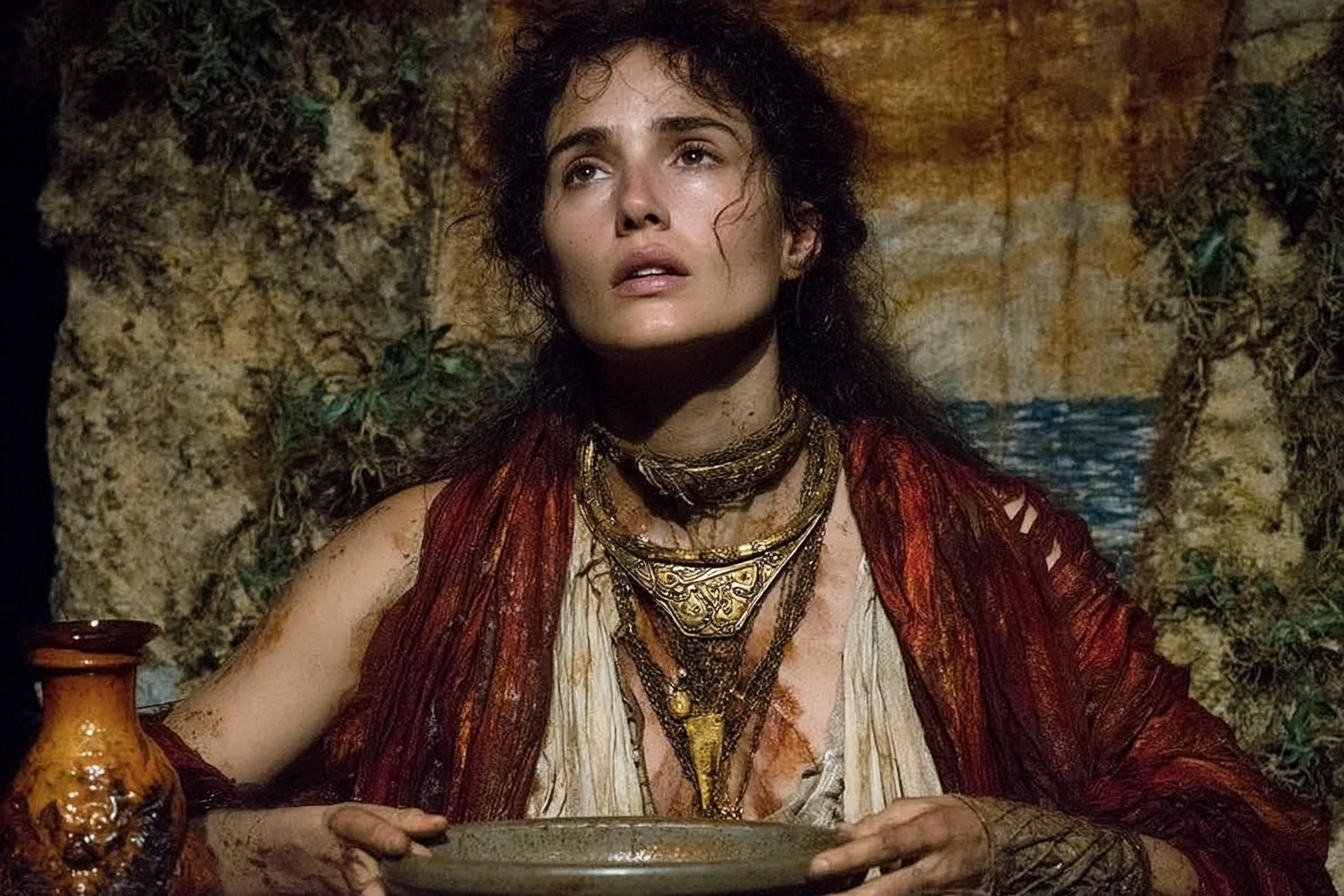
Rosie Hewlett’s The Witch of Colchis re-centers the myth of Jason and the Argonauts through the eyes of Medea. This powerful, humanizing retelling explores her not as a monster, but as a priestess, a witch, and a woman betrayed, offering a poignant and psychologically rich reclamation of a classical villain.
-

In ancient Greek mythology, Selene is the goddess and personification of the Moon. As the sister of the sun god Helios and the dawn goddess Eos, Selene is a figure of great significance in the Greek pantheon, associated with fertility, women’s mysteries, and love magic. This post explores the fascinating origins, mythology, and iconography surrounding…
-
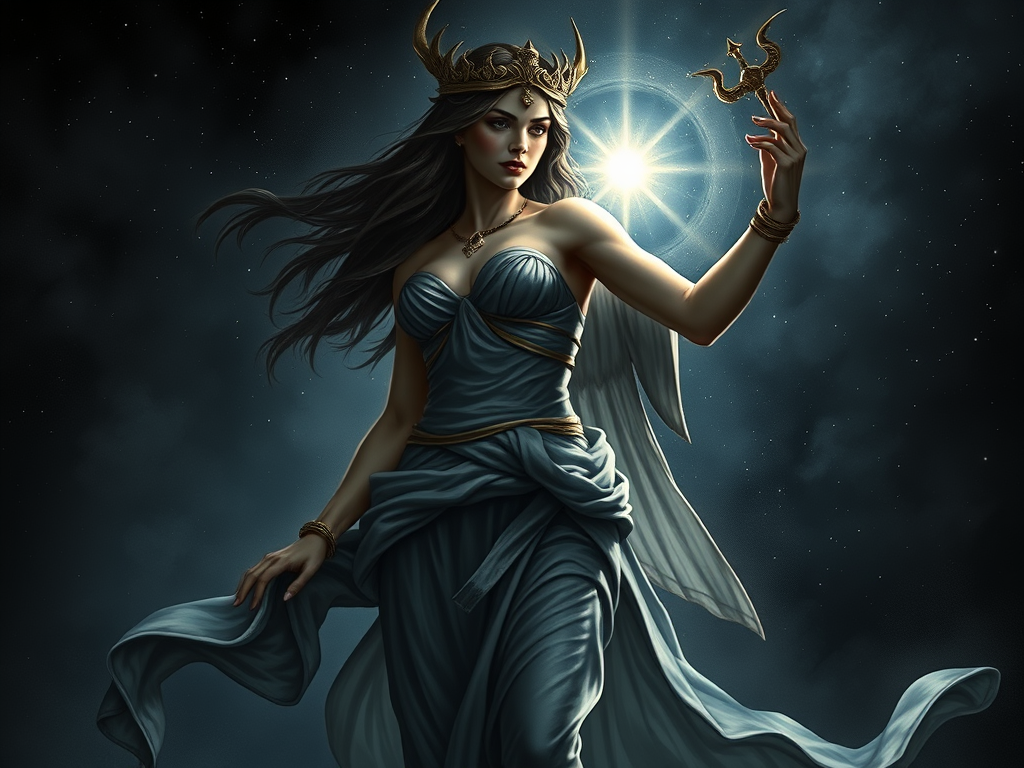
Nyx, the primordial Greek goddess of Night, emerges from Chaos as a formidable, independent feminine force. She births personifications of fundamental, often dark, aspects of existence—from Sleep and Death to the Fates. Feared by Zeus and central to esoteric Orphic cosmogonies, Nyx represents an ancient, potent archetype of feminine power and mystery that existed alongside…
-

In the moonlit wilds of ancient Greece, Artemis reigned—a paradox of ferocity and grace. With her silver bow, she guarded childbirth yet punished hubris, turning mortal intruders like Actaeon into prey. Her Ephesus temple, adorned with enigmatic symbols, echoed her untamed sovereignty. A feminist icon millennia ahead of her time, Artemis’ legacy whispers: Autonomy is…
-
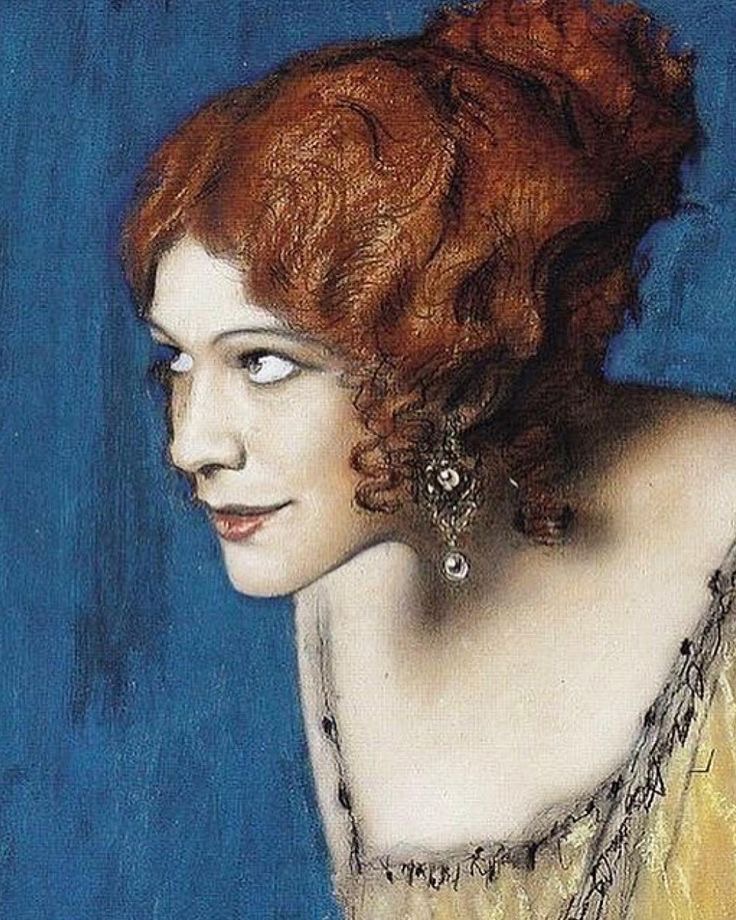
he witches of Thessaly have long captivated the imagination in Greek mythology and folklore with their powerful magic and mysterious practices. This essay delves into the origin and history of these ancient sorceresses, exploring their significance in ancient Greek culture and mythology. Legends spoke of their ability to control elements, summon spirits, and cast potent…