art
-
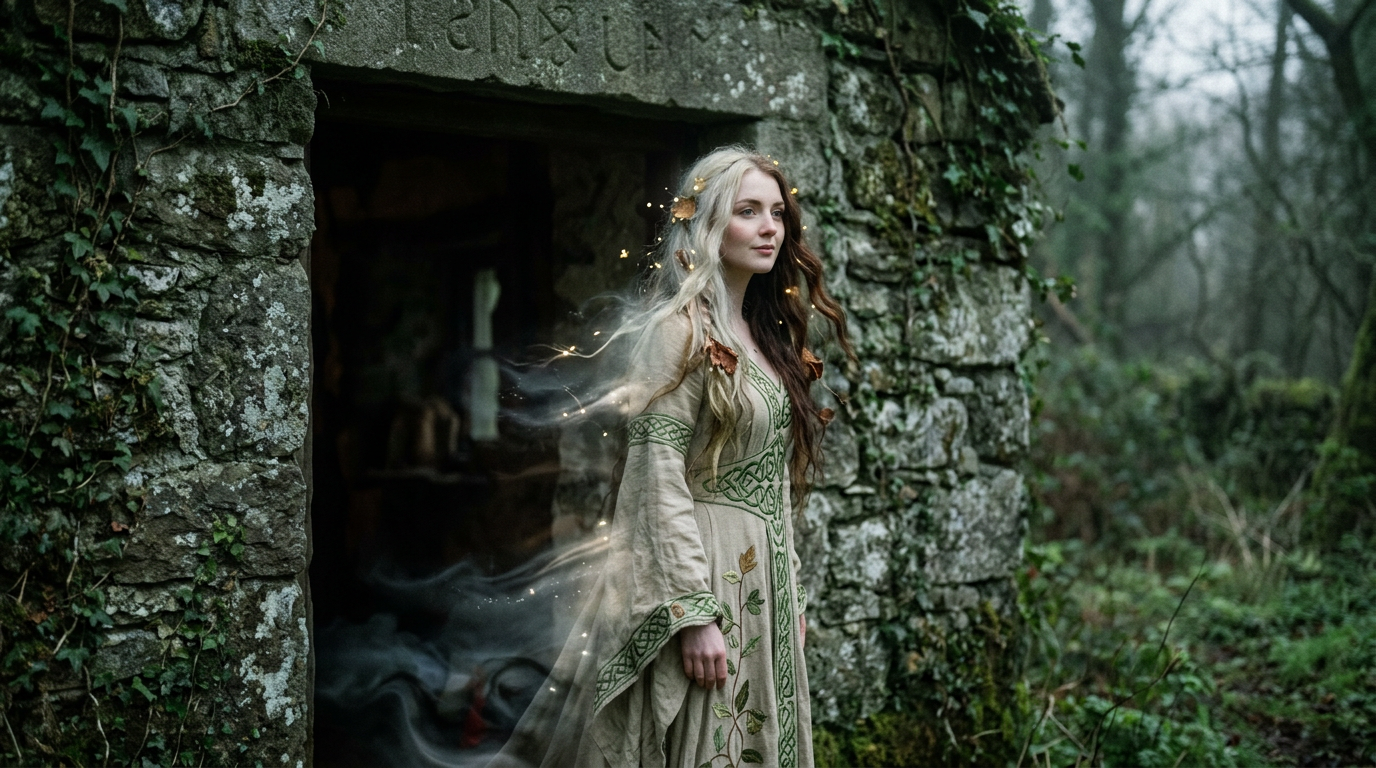
The Leanhaun Sí, or “Fairy Mistress,” is a complex figure in Irish folklore who serves as both a creative muse and a predatory spirit. By bestowing artistic inspiration upon poets and musicians, she creates a fatal, vampiric bond, demanding the artist’s life force as the ultimate price for their transcendent genius.
-
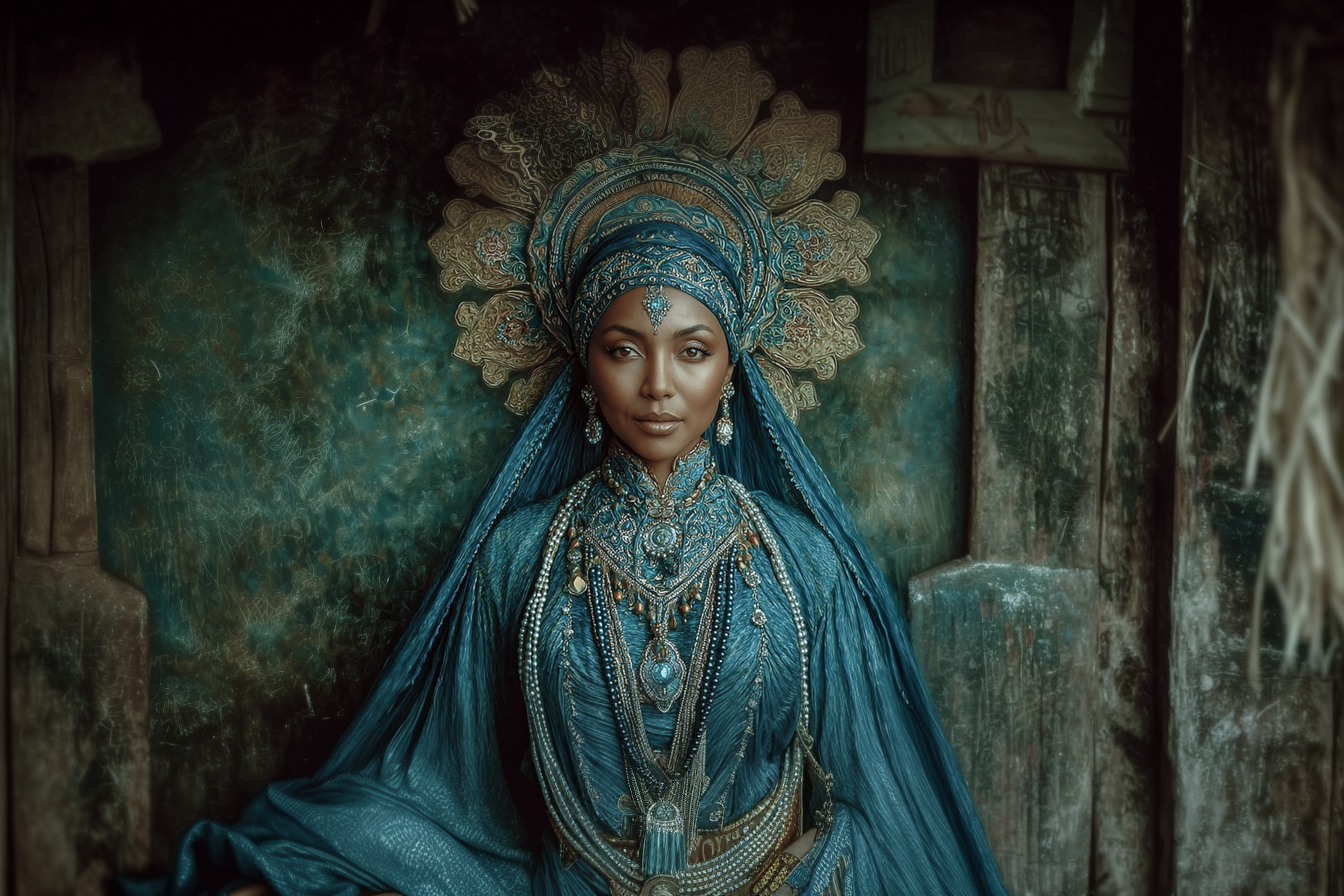
Yemaya, the Yoruba water goddess, transformed from a river deity in Africa to the oceanic Mother of the Diaspora in the Americas. Syncretized with the Virgin Mary, her worship survived the Trans-Atlantic slave trade, flourishing in Candomblé and Santería. She embodies motherhood, fertility, and female power, governing the moon’s tides and human creativity. Celebrated in…
-

Susanoo, Japan’s storm god, embodies contradiction: both destroyer and hero, outcast and deity. His myths reveal Japan’s spiritual complexity—a culture embracing life’s chaos and order. From defeating the Orochi to inspiring modern pop culture, Susanoo remains Japan’s most dynamic and paradoxical deity.
-
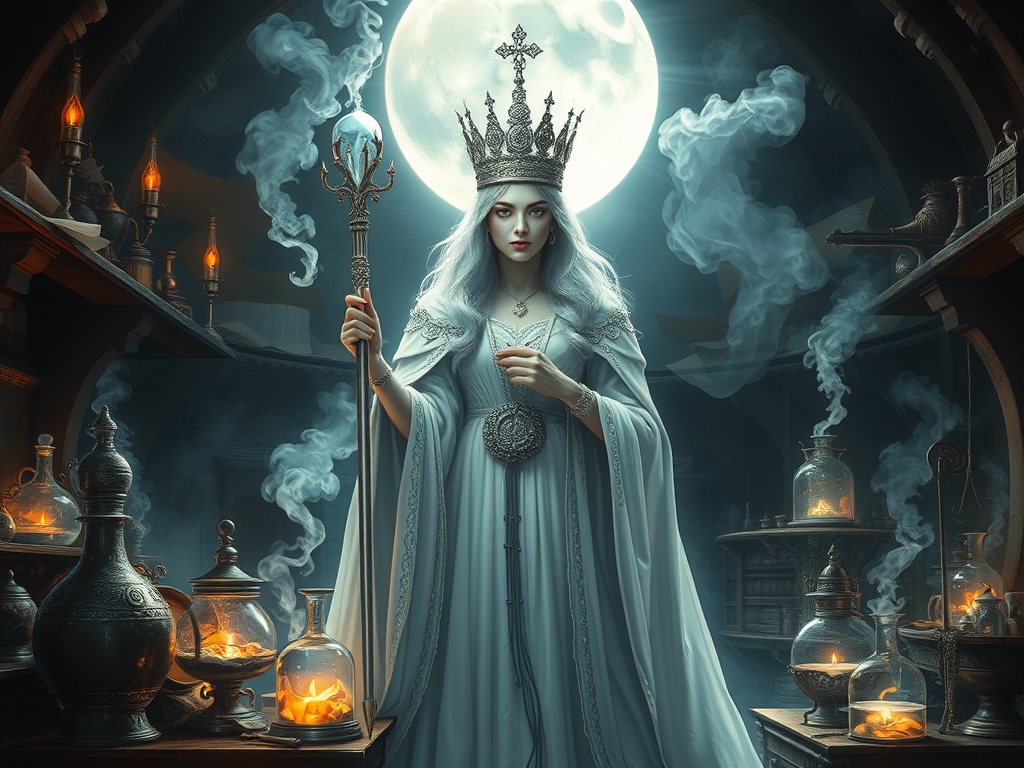
n the alchemical whitening (albedo) stage, the White Queen emerges, a lunar sovereign embodying purity and quicksilver’s fluidity. Partner to the Red King, their union births the Philosopher’s Stone. Rooted in Isis and Sophia, medieval scribes obscured her, fearing feminine power. Jung reimagined her as the anima; modern mystics resurrect her—a symbol of transformation bridging…
-
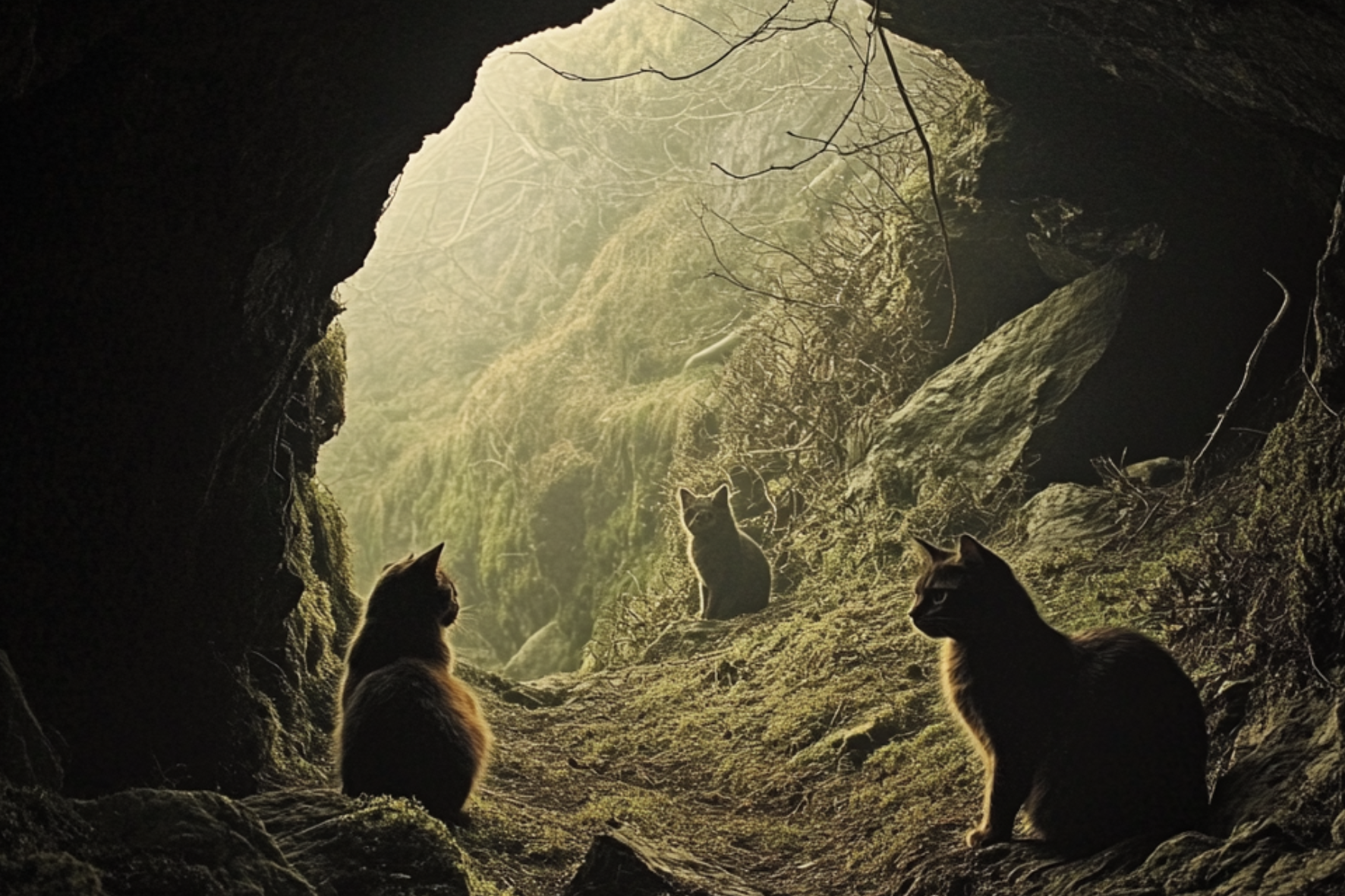
Beneath Rathcroghan’s windswept plains lies Oweynagat—Ireland’s “Cave of the Cats,” where the Morrígan’s whispers echo. This Samhain gateway to the Otherworld once unleashed spectral hordes and three-headed beasts. Today, seekers crawl through its earthen throat, tracing the veil between realms. Dare you glimpse the darkness where myth bleeds into stone?
-
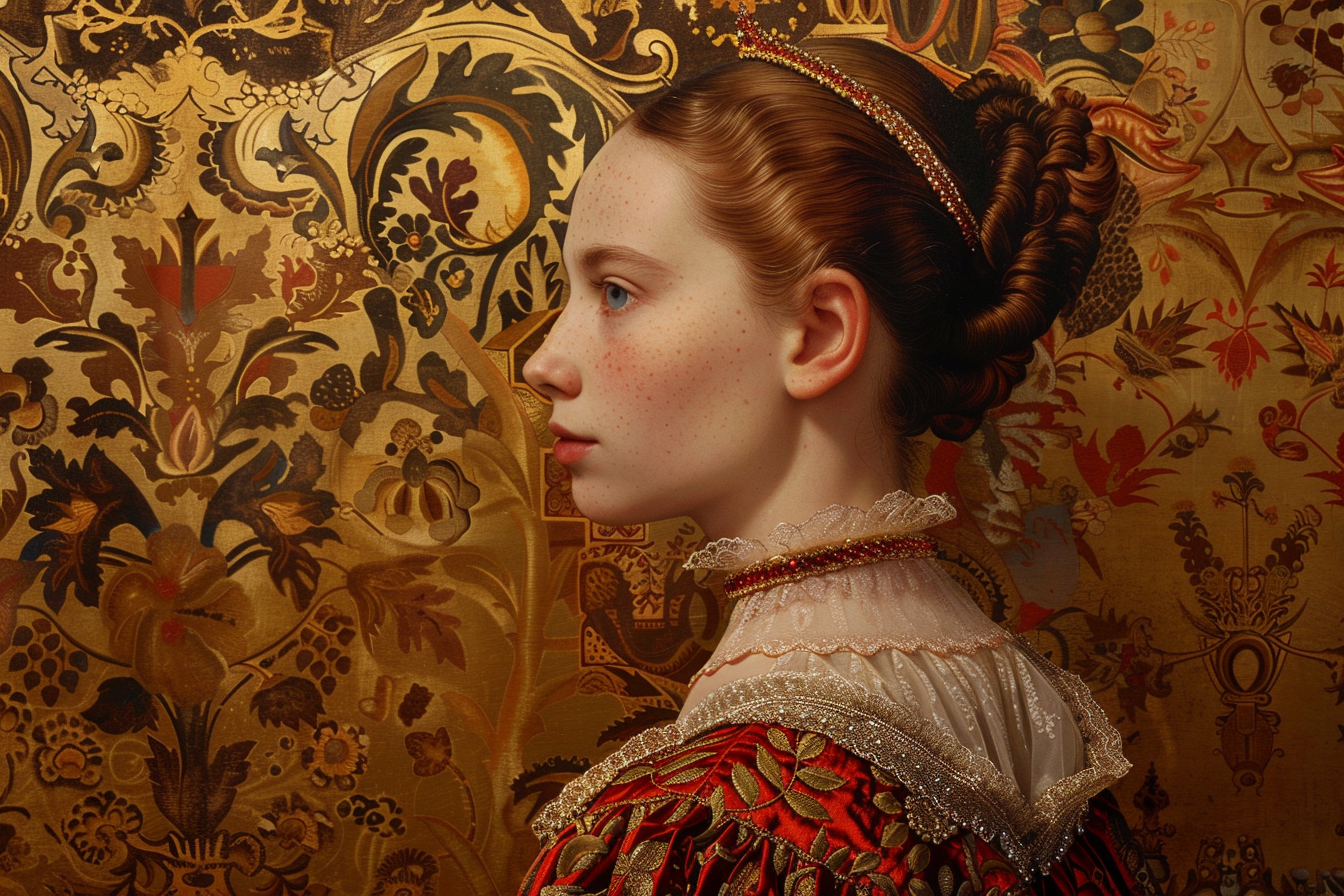
Isabella de Medici, a prominent Renaissance figure and member of the influential Medici family, shaped Florence’s cultural and political landscape. As a patroness of the arts, she supported renowned artists and championed the use of Tuscan language. Despite her troubled life and mysterious death, Isabella’s legacy symbolizes beauty, culture, and intellect.
-
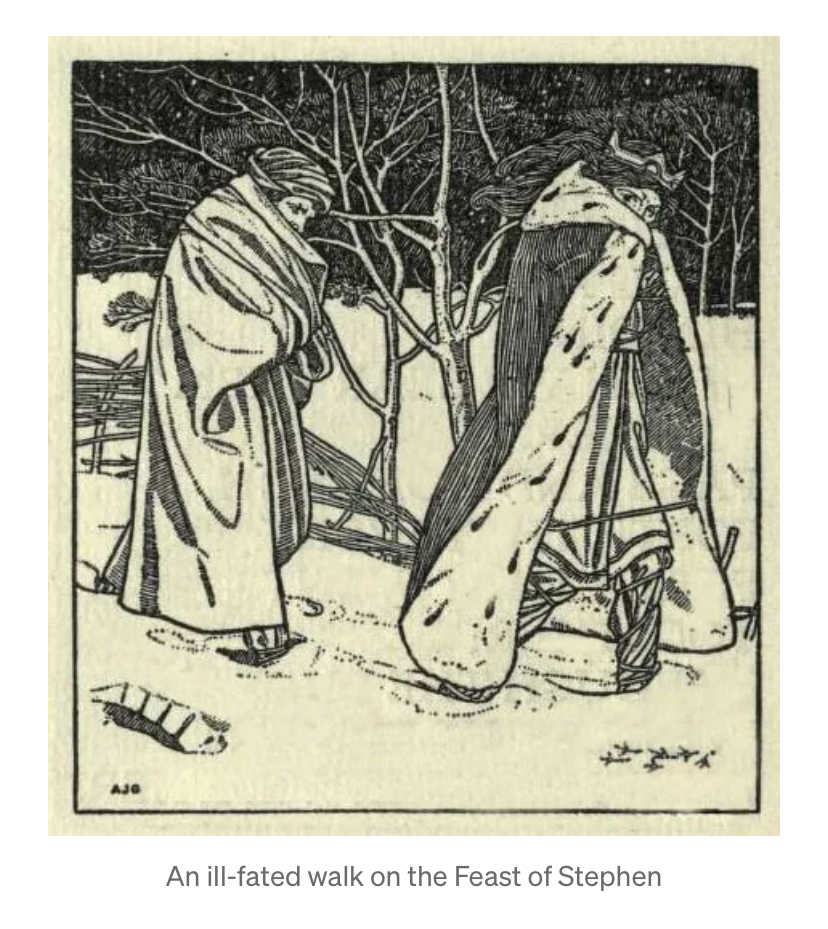
The song “Good King Wenceslas” serves as a testament to the enduring legacy of Wenceslaus I, Duke of Bohemia. It encapsulates his commitment to Christian values, his acts of charity, and his dedication to the welfare of his subjects. While the song may have taken some artistic liberties, it remains a beloved Christmas carol that…