January 2026
-
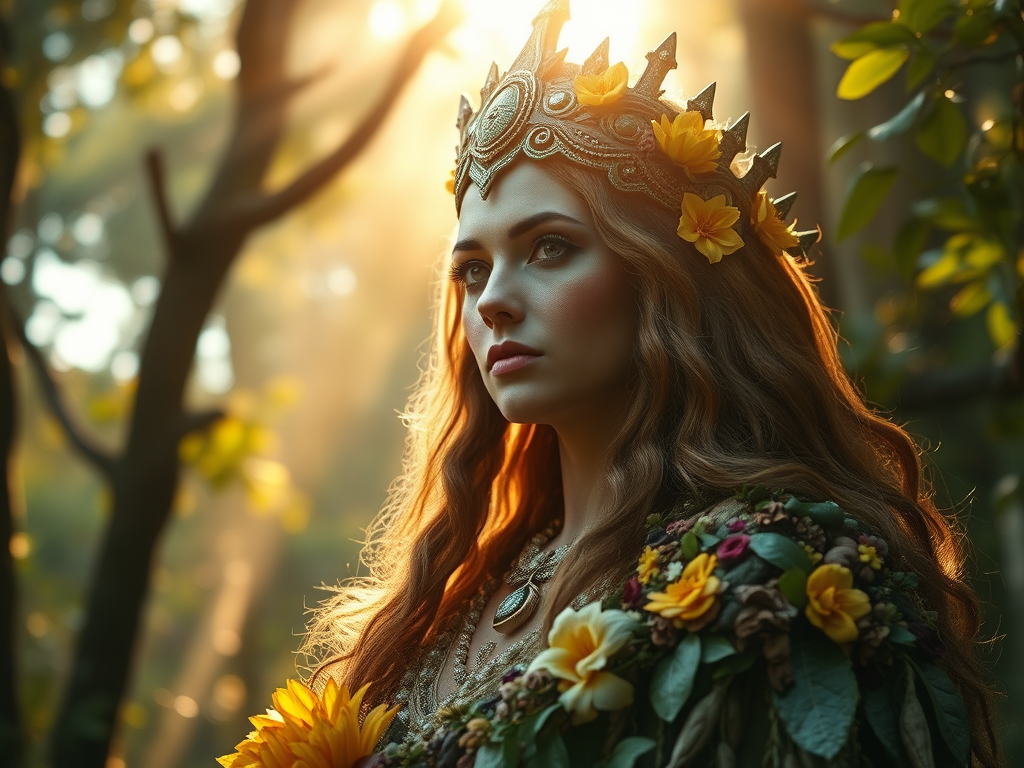
Gaia, the primordial Greek Earth goddess, is the foundational mother of the cosmos. She birthed the Titans, Sky, and Sea, and orchestrated the overthrow of Uranus. Her limited but profound cults focused on oracular power and chthonic nourishment. Scholars view her as a cosmic principle of cyclical creation, while modern pagans often see her as…
-

In ancient Greek mythology, Selene is the goddess and personification of the Moon. As the sister of the sun god Helios and the dawn goddess Eos, Selene is a figure of great significance in the Greek pantheon, associated with fertility, women’s mysteries, and love magic. This post explores the fascinating origins, mythology, and iconography surrounding…
-
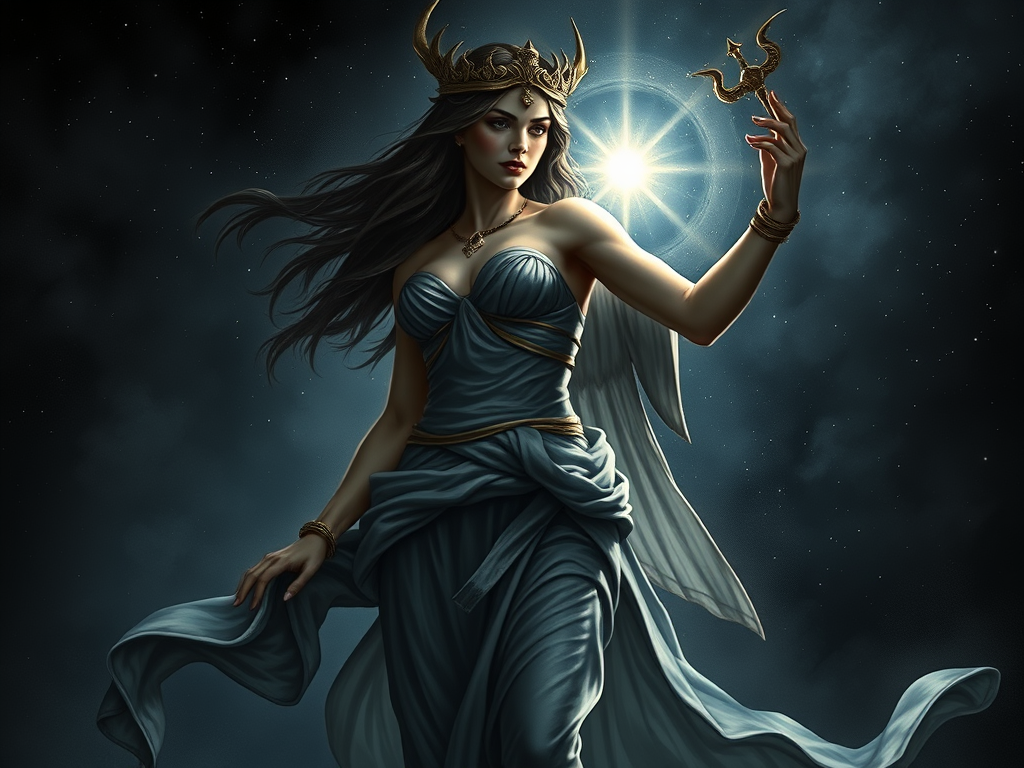
Nyx, the primordial Greek goddess of Night, emerges from Chaos as a formidable, independent feminine force. She births personifications of fundamental, often dark, aspects of existence—from Sleep and Death to the Fates. Feared by Zeus and central to esoteric Orphic cosmogonies, Nyx represents an ancient, potent archetype of feminine power and mystery that existed alongside…
-
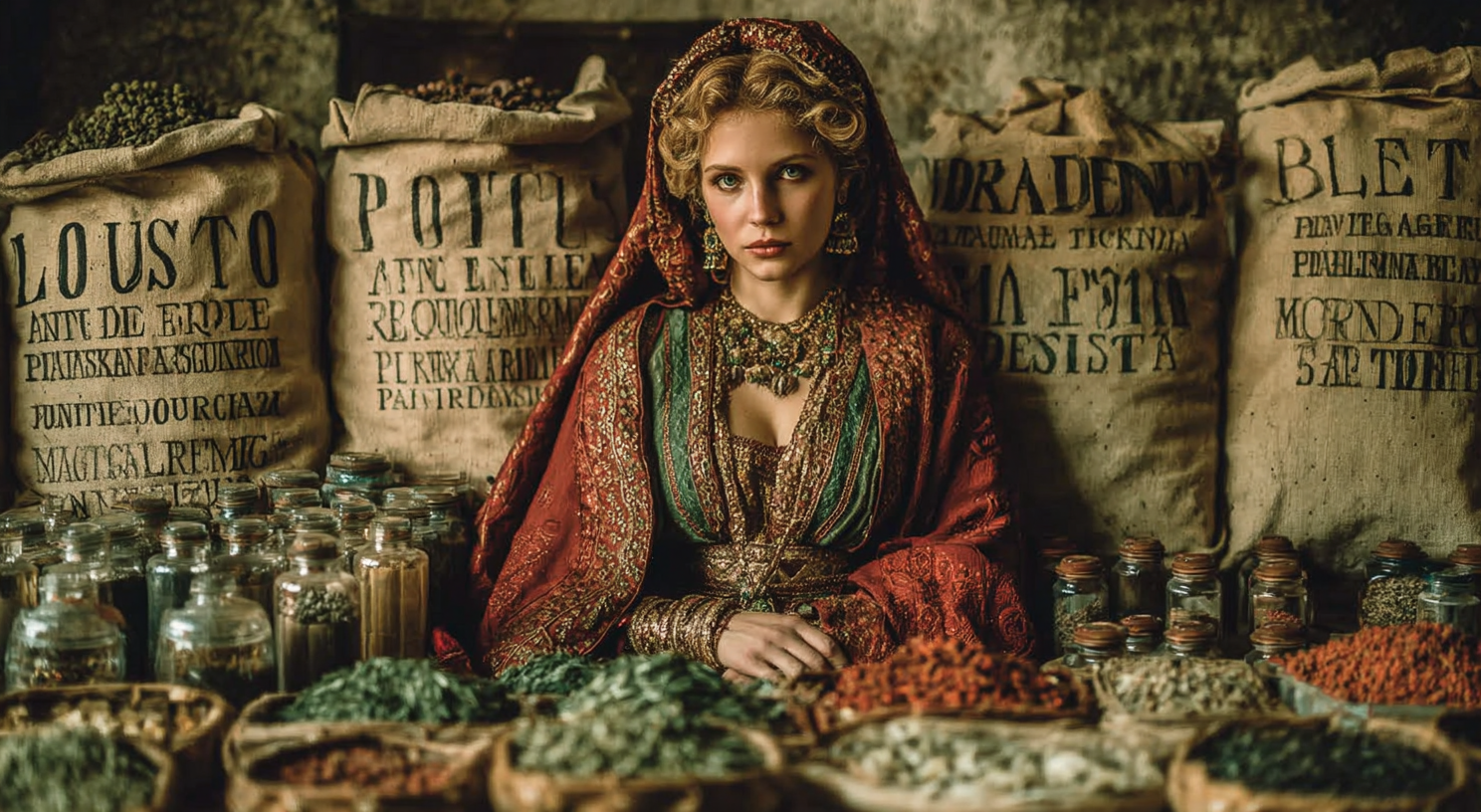
In the cutthroat world of Imperial Rome, Locusta of Gaul turned botanical knowledge into a deadly trade. Hired by Empress Agrippina and Emperor Nero, she used poisons to secure the throne, becoming history’s first documented “imperial poisoner.” Her story reveals the grim opportunities—and fatal limits—for women seeking power outside the domestic sphere in the ancient…
-
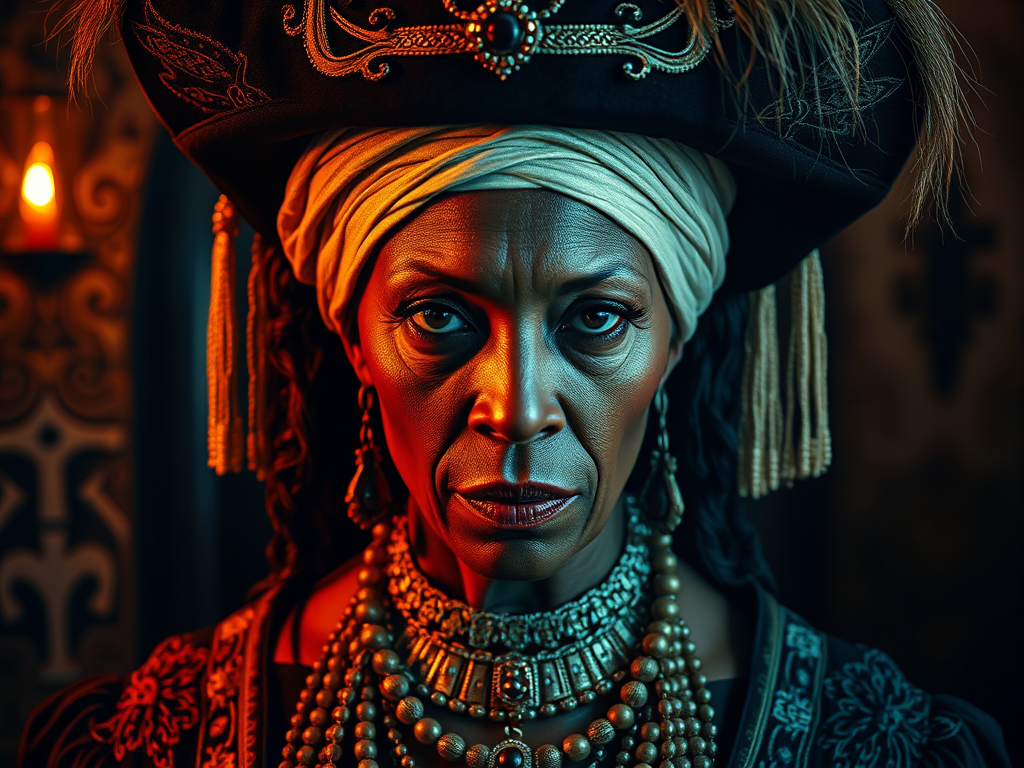
Marie Laveau, the legendary Voodoo Queen of New Orleans, was a complex figure: a devout Catholic, a community healer, and a reported slave owner. Her life is shrouded in mystery, amplified by the blurred identity of her successor, her daughter. Her enduring legacy blends history, spirituality, and powerful folklore.