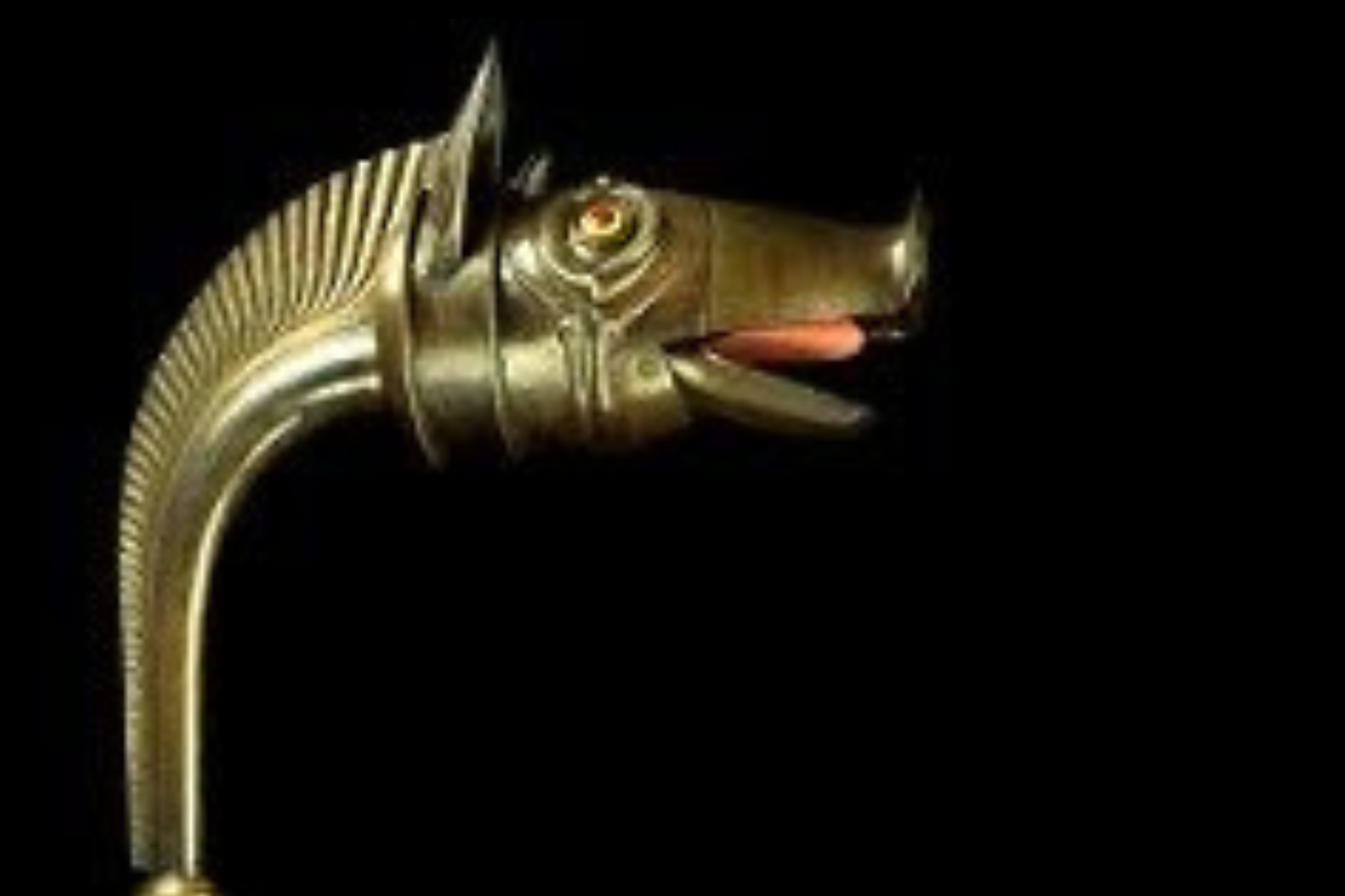

Amidst the echoes of ancient battlefields and ceremonial gatherings, the carnyx stands as a powerful symbol of Celtic culture. This remarkable wind instrument not only served as a tool for communication in warfare but also embodied the spirit of the Celts who wielded it. The significance of the carnyx extends beyond its practical uses; it reveals the creativity, artistry, and social structure of Iron Age societies. By exploring the historical context, unique design, and cultural impact of the carnyx, the importance of this instrument in understanding Celtic heritage becomes clear.
The carnyx was more than just a musical instrument; it was a vital part of the Celtic experience during the Iron Age. Used primarily in warfare, it incited troops and intimidated enemies. The historian Polybius described the carnyx as a sound that could be heard over the chaos of battle, making it essential for rallying warriors. Its height ensured that its powerful calls reached far and wide, guiding Celtic forces in the heat of conflict. The ability of the carnyx to command attention illustrates its role as a symbol of authority and leadership, often held by chieftains during battles.
The design of the carnyx is equally fascinating and reflects the artistry of the Celts. Crafted from bronze, the instrument featured an elongated S shape, with a bell often styled as the head of a boar or other fierce animals. This choice of animal imagery was deliberate, as it conveyed a sense of aggression and ferocity. For instance, the Deskford Carnyx, discovered in Scotland, showcases a beautifully crafted boar’s head, reinforcing the connection between the instrument and the warrior spirit. Such artistic details not only highlight the skill of Celtic metalworkers but also suggest that the carnyx held a ceremonial significance beyond its military use.
The discoveries at Tintignac in 2004 further illuminate the cultural importance of the carnyx. The excavation revealed multiple carnyx fragments, suggesting that these instruments were part of ritual deposits. This finding indicates that the carnyx was not solely a tool of war but also played a role in ceremonies and celebrations. The Deskford Carnyx, now housed in the Museum of Scotland, provides another example of this dual purpose. Its ceremonial use points to the carnyx as a bridge between the mundane and the sacred, embodying the values and beliefs of Celtic society.
In conclusion, the carnyx stands as a testament to the rich cultural heritage of the Celts during the Iron Age. Its role in warfare, unique design, and ceremonial significance reveal not only the practical aspects of this ancient instrument but also the deeper connections to Celtic identity and artistry. Understanding the carnyx offers valuable insights into the lives of the Celts, highlighting their creativity, social structures, and beliefs. As history continues to unveil the mysteries of the past, the carnyx serves as a reminder of the enduring legacy of Celtic culture.

1. McKie, Robin. The Carnyx: A History of Ancient Celtic Instruments. New York: HarperCollins, 2010.
An engaging narrative that traces the origins, evolution, and cultural roles of the carnyx in ancient Celtic societies.
2. Wilson, David. Celtic Art: From its Beginnings to the Book of Kells. London: Thames & Hudson, 1983.
While focusing on Celtic art, this book discusses the carnyx as an example of the rich artistry and craftsmanship of the Celtic people.
Leave a Reply