February 2026
-

Ghost marriage (minghun) is a Chinese funerary ritual with origins in the Han Dynasty, rooted in yin-yang philosophy and ancestral cults. It was performed to placate lonely spirits, ensure familial harmony, and integrate unmarried daughters—particularly women—into a patrilineal lineage. While often stigmatized, it served as bereavement therapy and a mechanism to uphold social norms regarding…
-
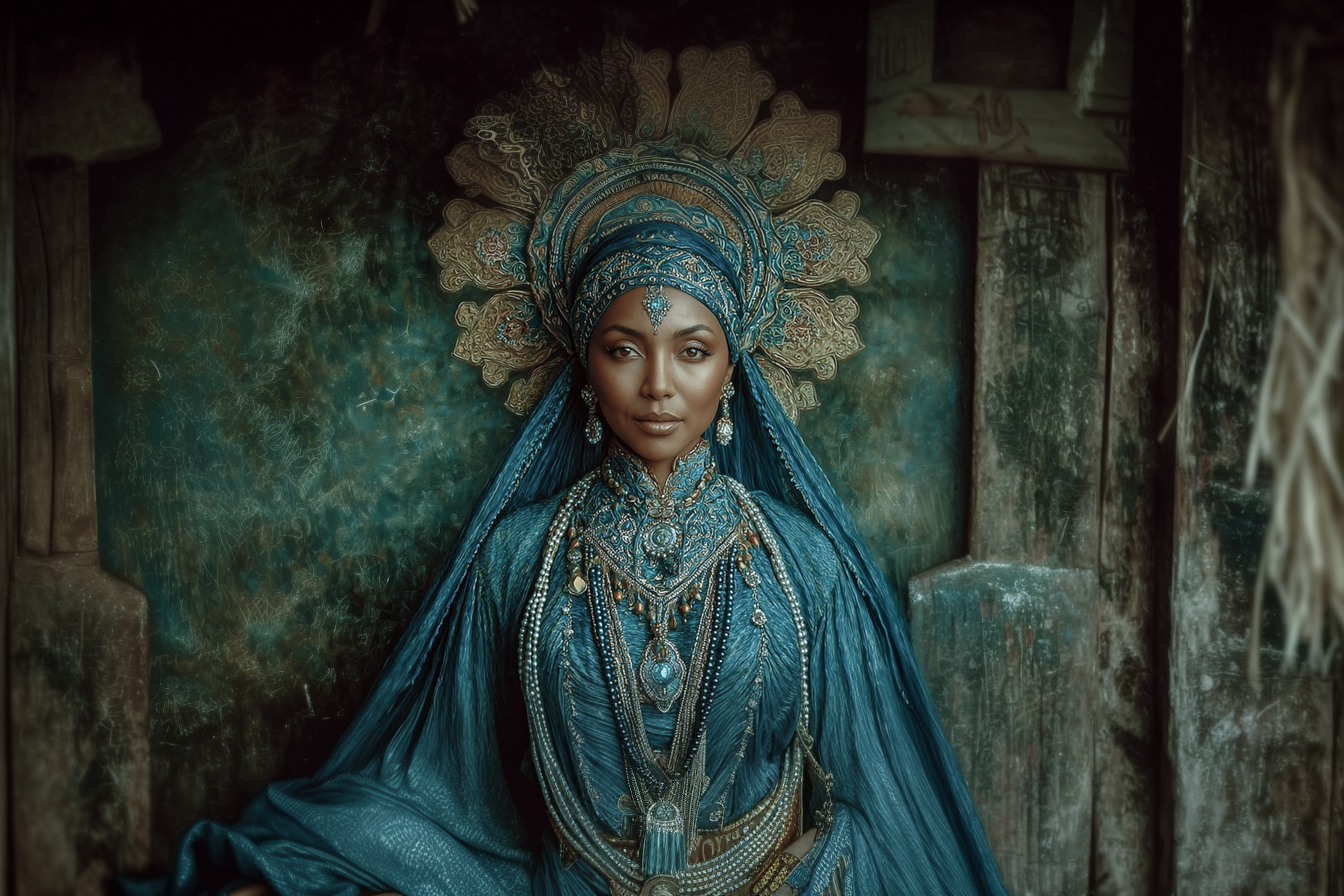
Yemaya, the Yoruba water goddess, transformed from a river deity in Africa to the oceanic Mother of the Diaspora in the Americas. Syncretized with the Virgin Mary, her worship survived the Trans-Atlantic slave trade, flourishing in Candomblé and Santería. She embodies motherhood, fertility, and female power, governing the moon’s tides and human creativity. Celebrated in…
-
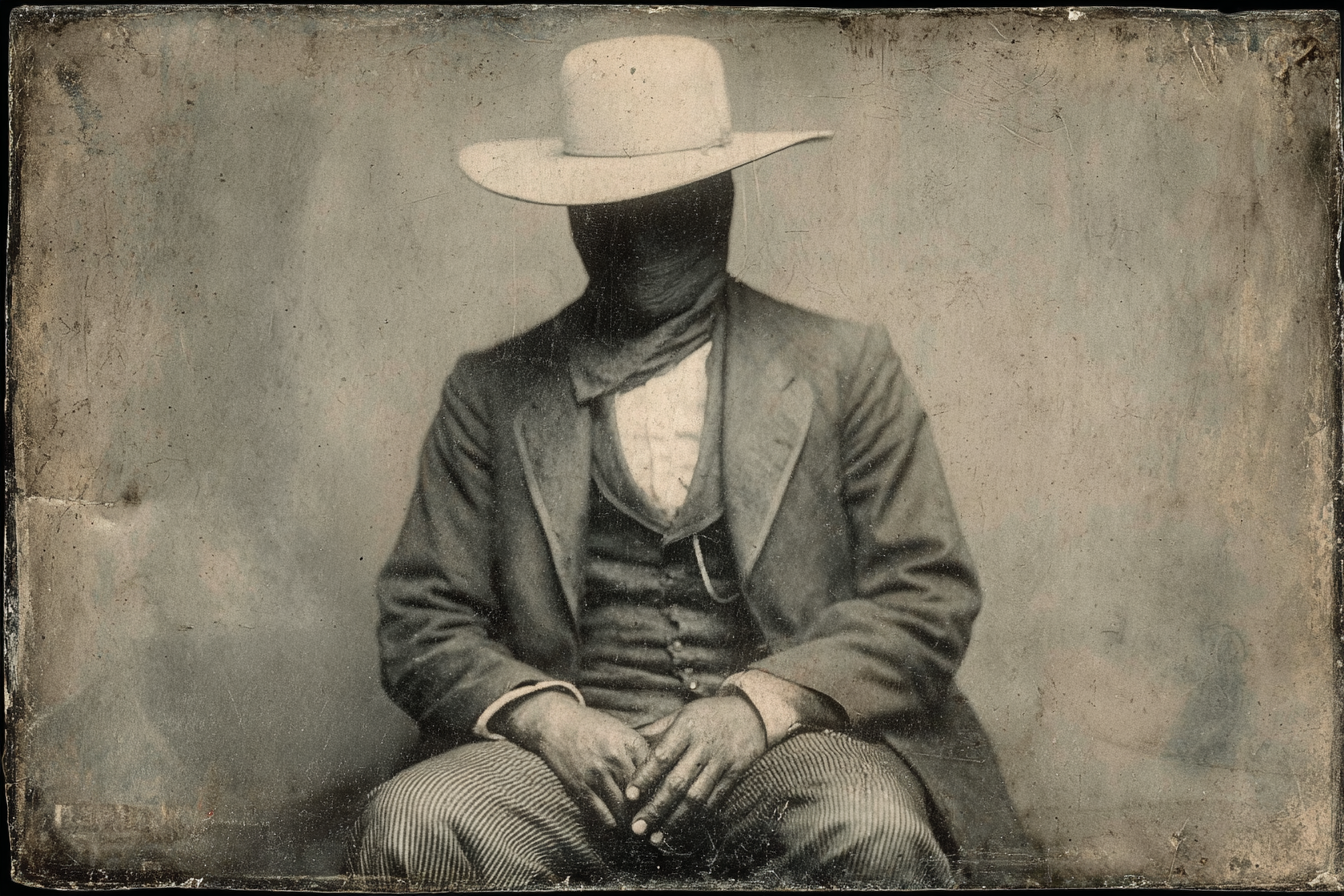
The Servant Girl Annihilator terrorized Austin, Texas, in 1885, killing eight. Predating Jack the Ripper, his crimes exposed racial and social tensions. Modern profiling points to Nathan Elgin, a cook whose death halted the murders. The case remains a seminal, unsolved chapter in American serial killer history.
-
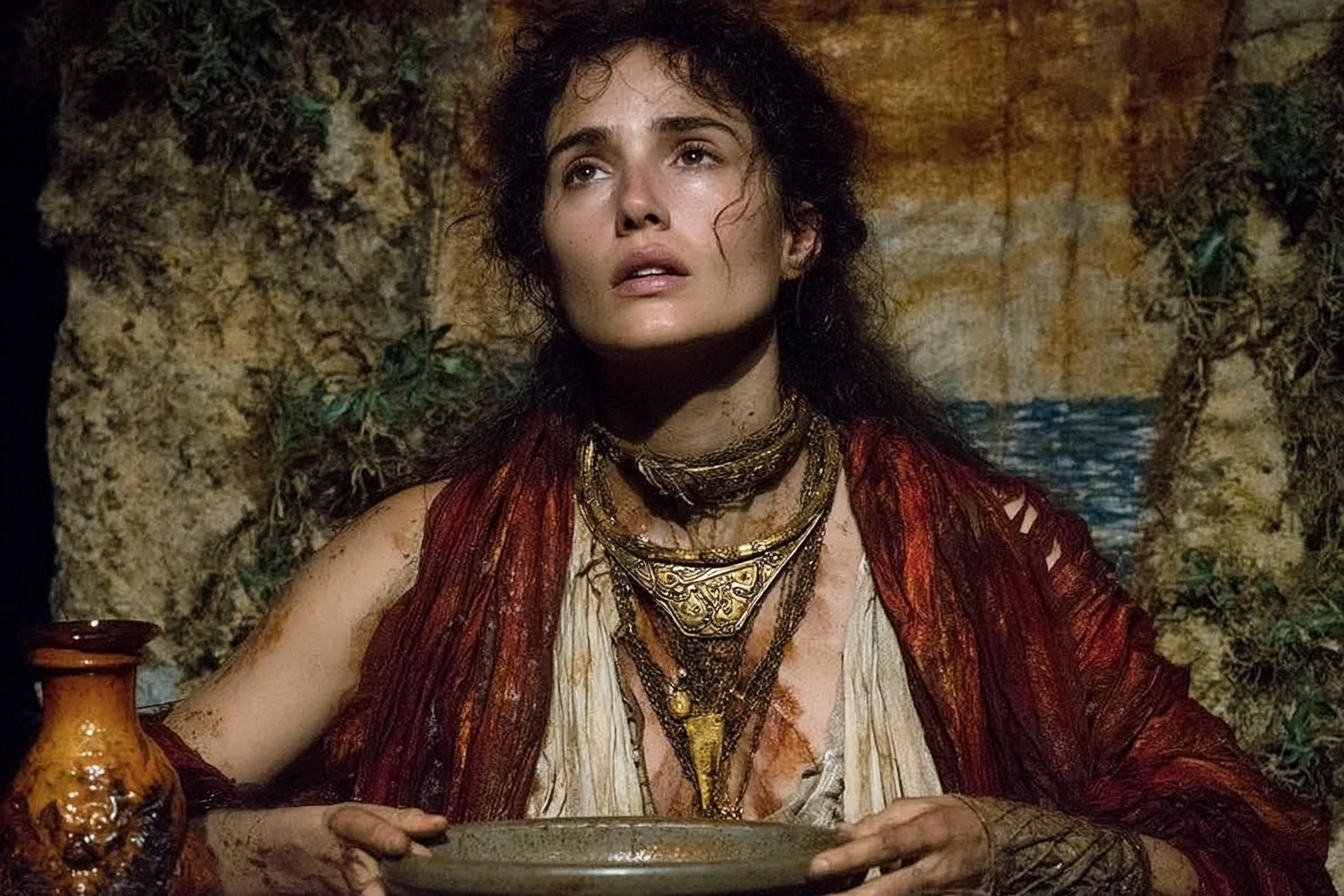
Rosie Hewlett’s The Witch of Colchis re-centers the myth of Jason and the Argonauts through the eyes of Medea. This powerful, humanizing retelling explores her not as a monster, but as a priestess, a witch, and a woman betrayed, offering a poignant and psychologically rich reclamation of a classical villain.
-

Born from Izanagi’s ritual purification, the Three Noble Children—Amaterasu (sun), Tsukuyomi (moon), and Susanoo (storm)—establish cosmic order in Japanese myth. They govern natural forces, with Amaterasu’s lineage founding Japan’s imperial line, embodying Shinto principles of balance and harmony.
-

Susanoo, Japan’s storm god, embodies contradiction: both destroyer and hero, outcast and deity. His myths reveal Japan’s spiritual complexity—a culture embracing life’s chaos and order. From defeating the Orochi to inspiring modern pop culture, Susanoo remains Japan’s most dynamic and paradoxical deity.
-
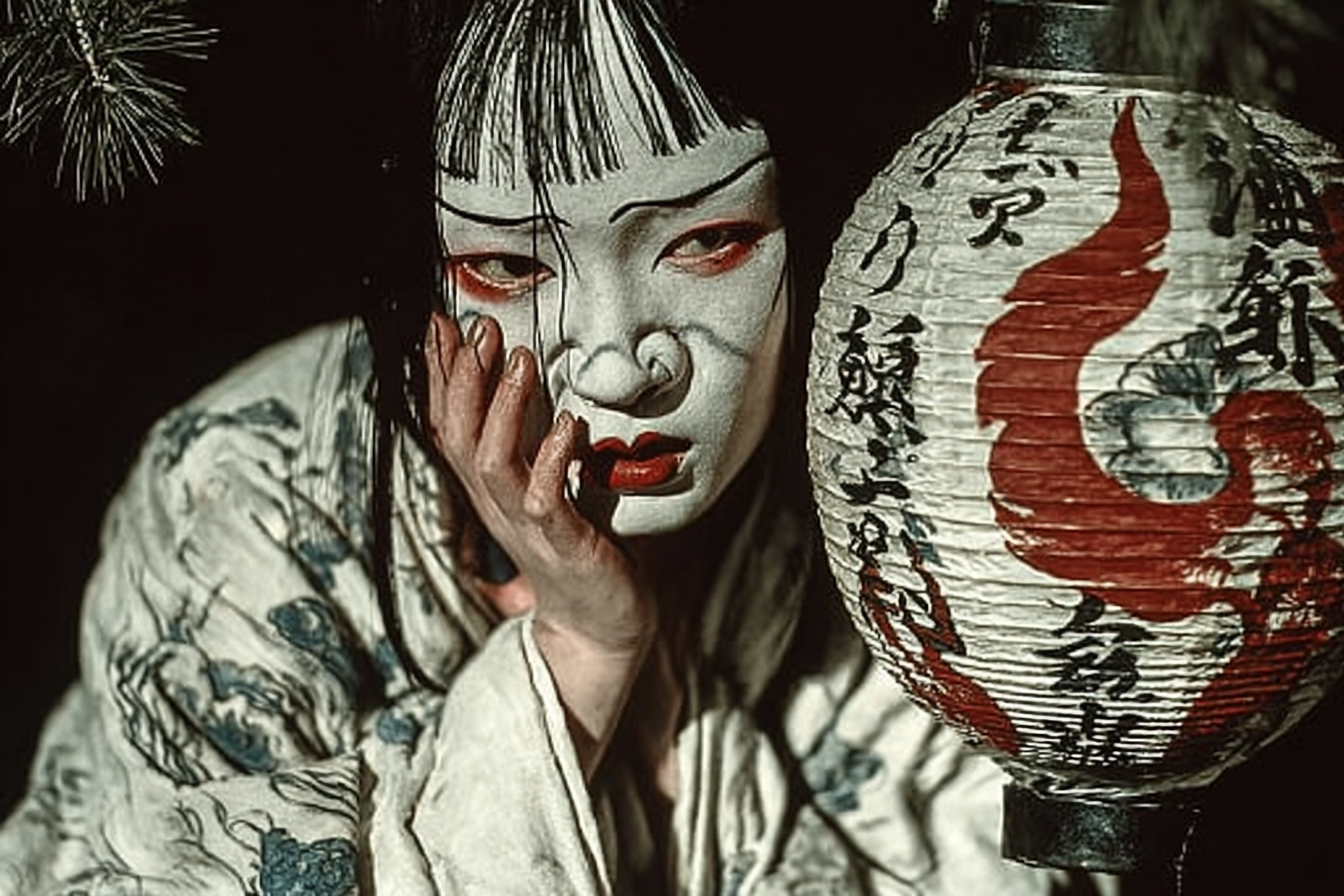
For 200 years, the ghost of Oiwa from Yotsuya Kaidan has haunted Japan. Born on the Kabuki stage from real scandals, her story of betrayal and vengeance has evolved from woodblock prints to modern J-horror, defining the vengeful ghost archetype and reflecting deep-seated social anxieties.
-

Amaterasu Ōmikami, the Shinto sun goddess, is the central kami in Japanese mythology and the divine ancestor of the imperial line. Born from the creator god Izanagi, she rules the sun and the heavenly realm. The myth of her retreat to the Heavenly Rock Cave explains the sun’s absence. As the ancestral deity of Japan’s…
-
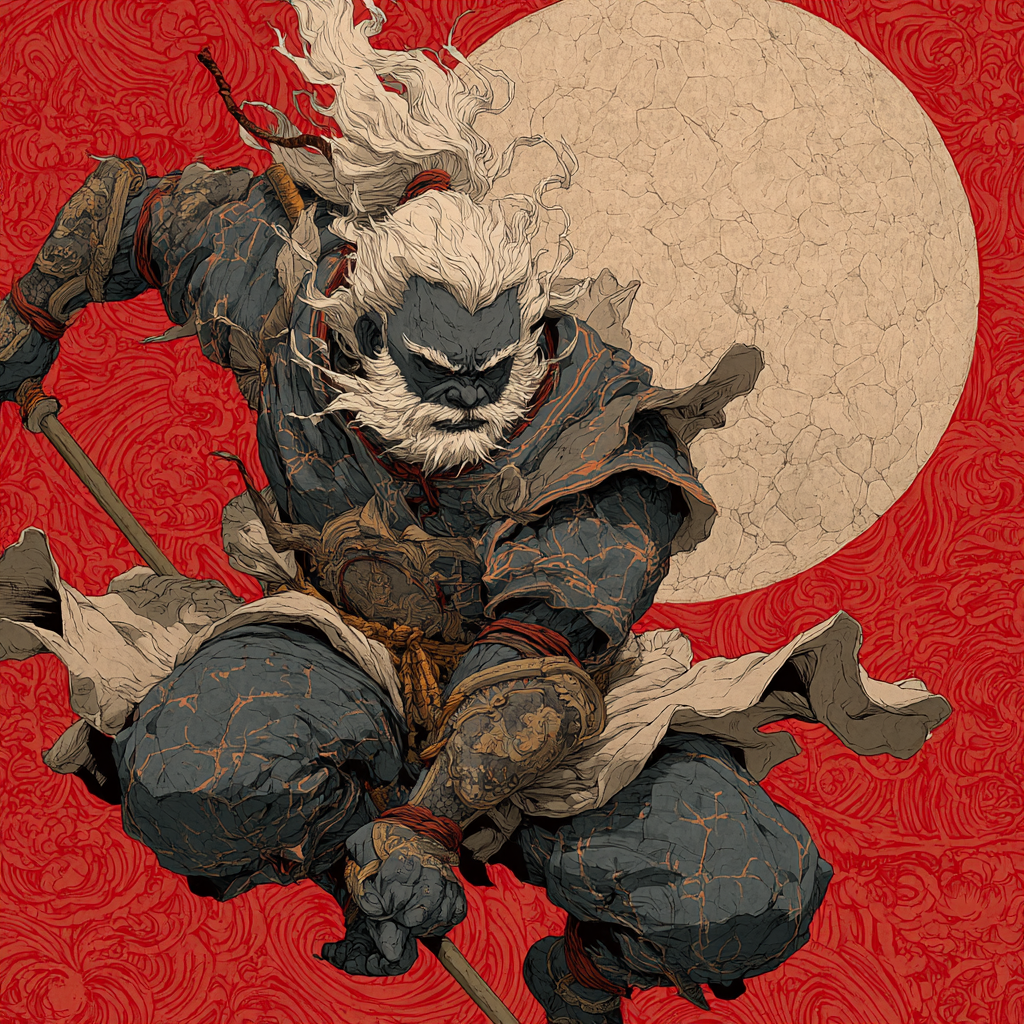
Tsukuyomi, the Japanese Moon God, is a complex deity of order and timekeeping, born from a divine purification ritual. His defining myth—the slaying of the food goddess Ukemochi—caused a cosmic rift with his wife, the Sun Goddess Amaterasu, forever separating the sun and moon into day and night. He represents the solemn, solitary, and consequential…