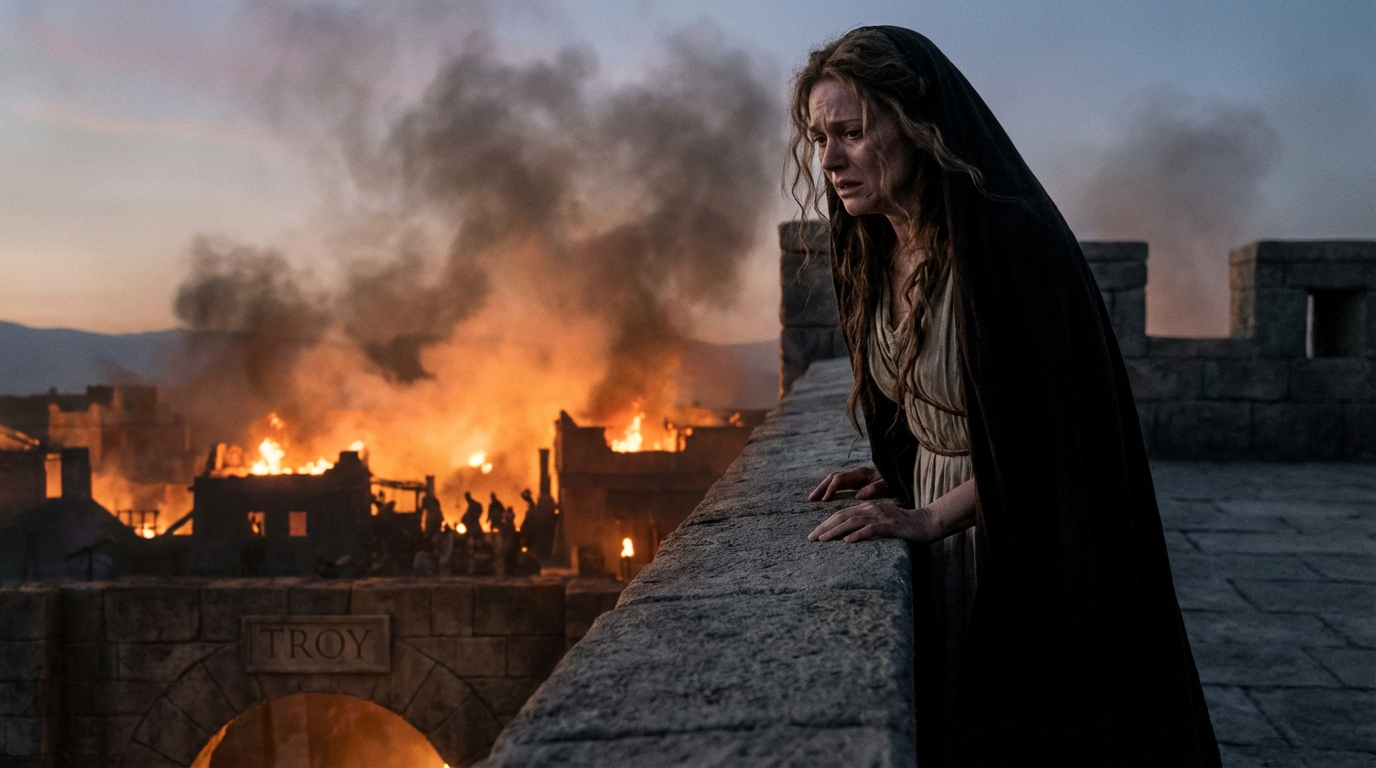
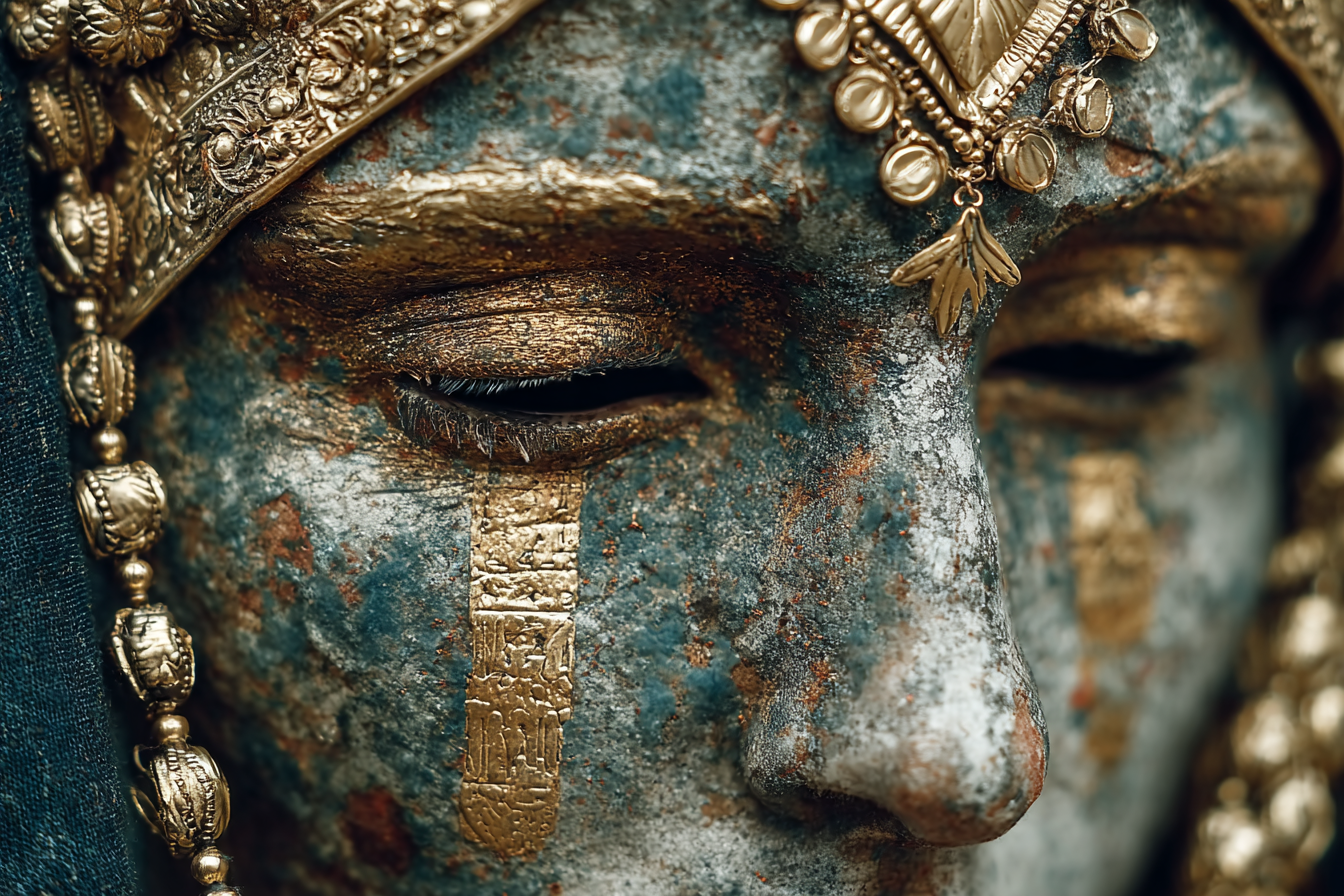
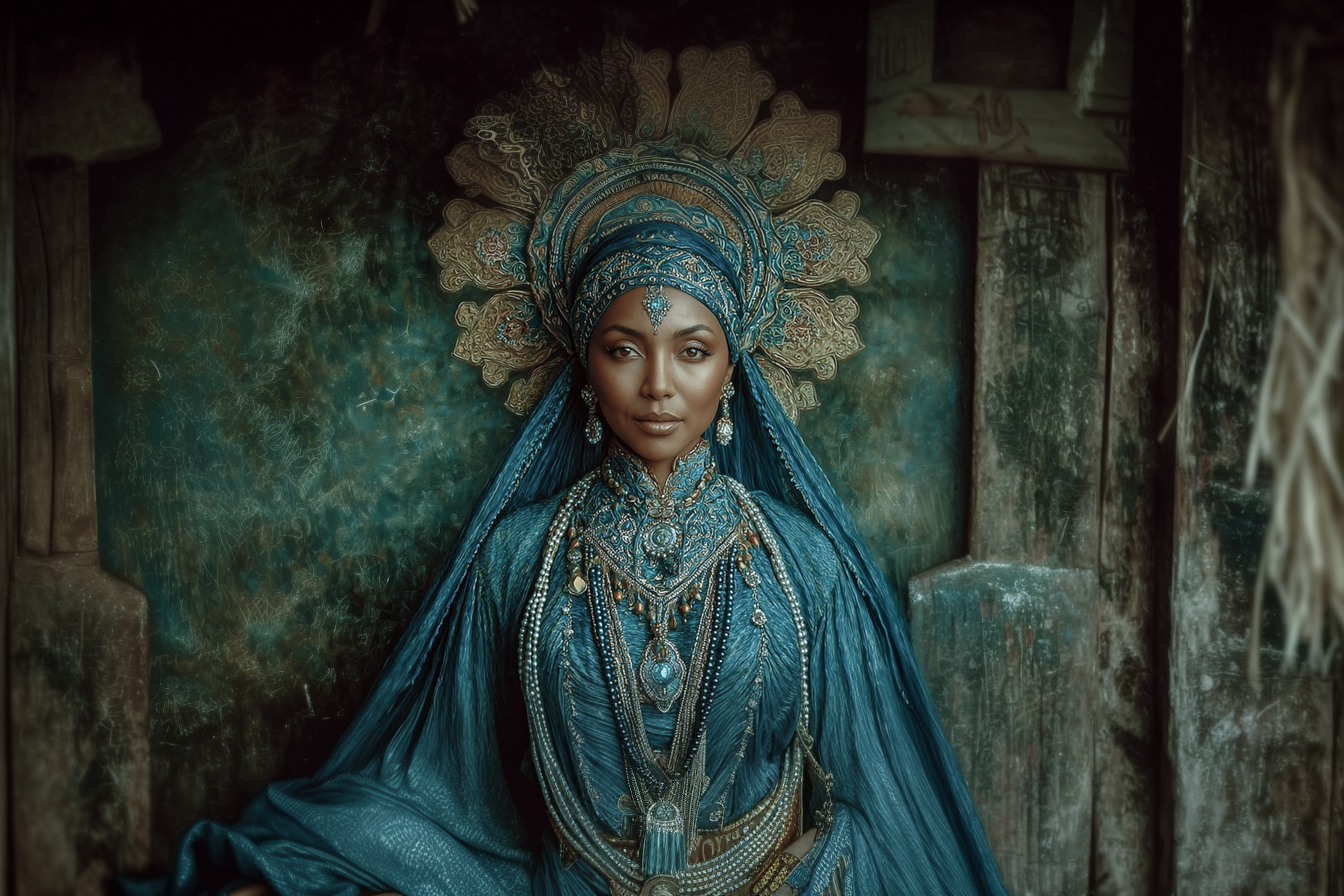
assandra, the Trojan priestess, was gifted with true prophecy by Apollo but cursed never to be believed. She foresaw the Trojan War’s destruction, including the Trojan Horse, yet was ignored. After Troy fell, she was taken by Agamemnon and murdered with him in Mycenae. Her name now symbolizes accurate but unheeded warnings, reflecting timeless themes…
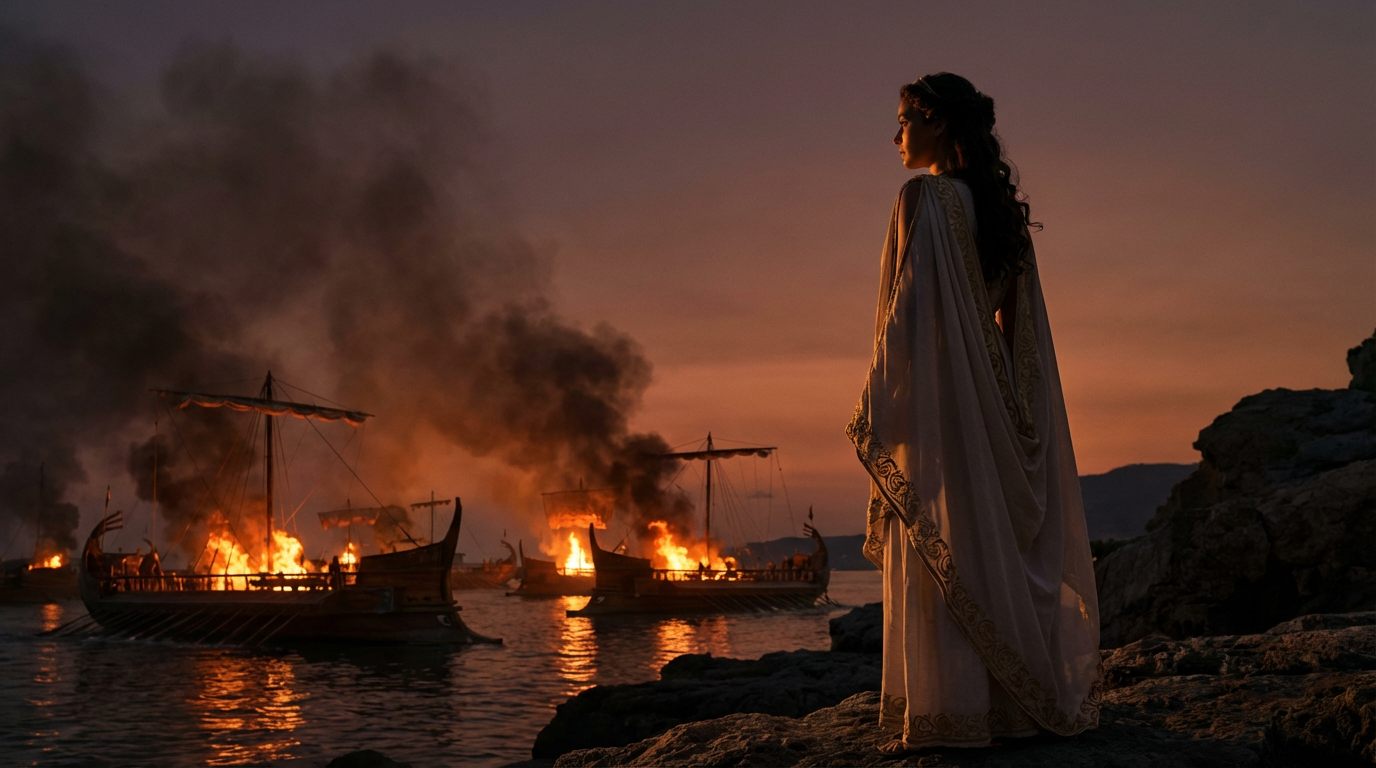
Helen of Troy is a complex fusion of myth, possible Bronze Age memory, and pre-Greek goddess worship. While not a historical individual, her legend explores agency, beauty’s power, and war’s causes. From Spartan cults to Homeric epic, she endures as a timeless symbol of desire and destruction.
Ēostre, an Anglo-Saxon dawn goddess attested by Bede, gave her name to Easter. Linguistic ties connect her to a vast Indo-European dawn goddess family. Once debated, her existence is supported by Continental inscriptions. While linked to spring fertility, direct connections to hares are modern folklore. Her legacy is a powerful example of cultural syncretism.
Poison hemlock (Conium maculatum) is a toxic biennial plant native to Europe, identified by purple-spotted stems. Its alkaloids, particularly coniine, cause fatal respiratory paralysis. Historically used in ancient Greek executions and sacred to the goddess Hekate, it remains a powerful symbol in modern pagan traditions and a hazardous invasive species globally.
In the moonlit villages of Ghana and Togo, the Ewe people tell of the Adze—a vampiric firefly by night, a human sorcerer by day. Feared for its blood-drinking and power to inflict sickness, this being blurs the line between myth and spiritual reality. Explore the chilling lore and cultural significance of one of Africa’s most…
The Buschgroßmutter is an ambivalent forest spirit from German folklore, appearing as a moss-covered crone. She rewards those who comb her lice-ridden hair with magical gifts but punishes the disrespectful with illness. A figure used to scare children, she personifies nature’s dual capacity for kindness and harshness.
Brigid—goddess and saint—represents one of the most fascinating syncretic traditions in Celtic history. From pre-Christian myth to medieval hagiography, her attributes—poetry, healing, fire, and fertility—transcend religious boundaries. This continuity reflects Ireland’s preservation of its cultural identity even amid conversion, making Brigid a timeless symbol of spiritual resilience.
Erichtho, the infamous Thessalian witch from Lucan’s Pharsalia, reanimates the dead to prophesy Rome’s fate. A dark inversion of Virgil’s Sibyl, she embodies impiety and terror. This article explores her origins, literary legacy, and enduring influence from antiquity through Dante and beyond.
Thessaly was the epicenter of ancient Greek witchcraft, home to both herbalists (pharmakeis) and ritualistic necromancers (goētes). This article explores why this region became synonymous with magic, profiling infamous witches like Erictho and examining their tools—from potent pharmaka to sinister katadesmoi. Dive into the dark world where myth meets reality.
Yemaya, the Yoruba water goddess, transformed from a river deity in Africa to the oceanic Mother of the Diaspora in the Americas. Syncretized with the Virgin Mary, her worship survived the Trans-Atlantic slave trade, flourishing in Candomblé and Santería. She embodies motherhood, fertility, and female power, governing the moon’s tides and human creativity. Celebrated in…