Tiffany Rankin
-

The Amazons, famed in Greek myth as a society of warrior women, were once considered fiction. Archaeology reveals armed female burials across the Eurasian steppes, confirming Scythian and Sarmatian warrior women inspired the legends. While the all-female society is mythical, Greeks elaborated real nomadic horsewomen into the Amazon archetype, blending myth with historical reality.
-

Boann, the Irish goddess of the River Boyne, embodies creation through both love and transgression. Her myths explain the winter solstice at Newgrange and the river’s origin. A symbol of sovereignty, wisdom, and sacrifice, she represents the Celtic fusion of landscape and divinity, remaining a potent figure in modern spirituality.
-

Walpurgis Night, observed on April 30th, is a complex tapestry woven from the threads of an 8th-century saint’s feast day and much older pagan spring rites. Celebrated across Northern and Central Europe, it is a night where the crackle of protective bonfires meets tales of witchly sabbaths, where Christian pilgrimage intertwines with carnivalesque student revelry.…
-
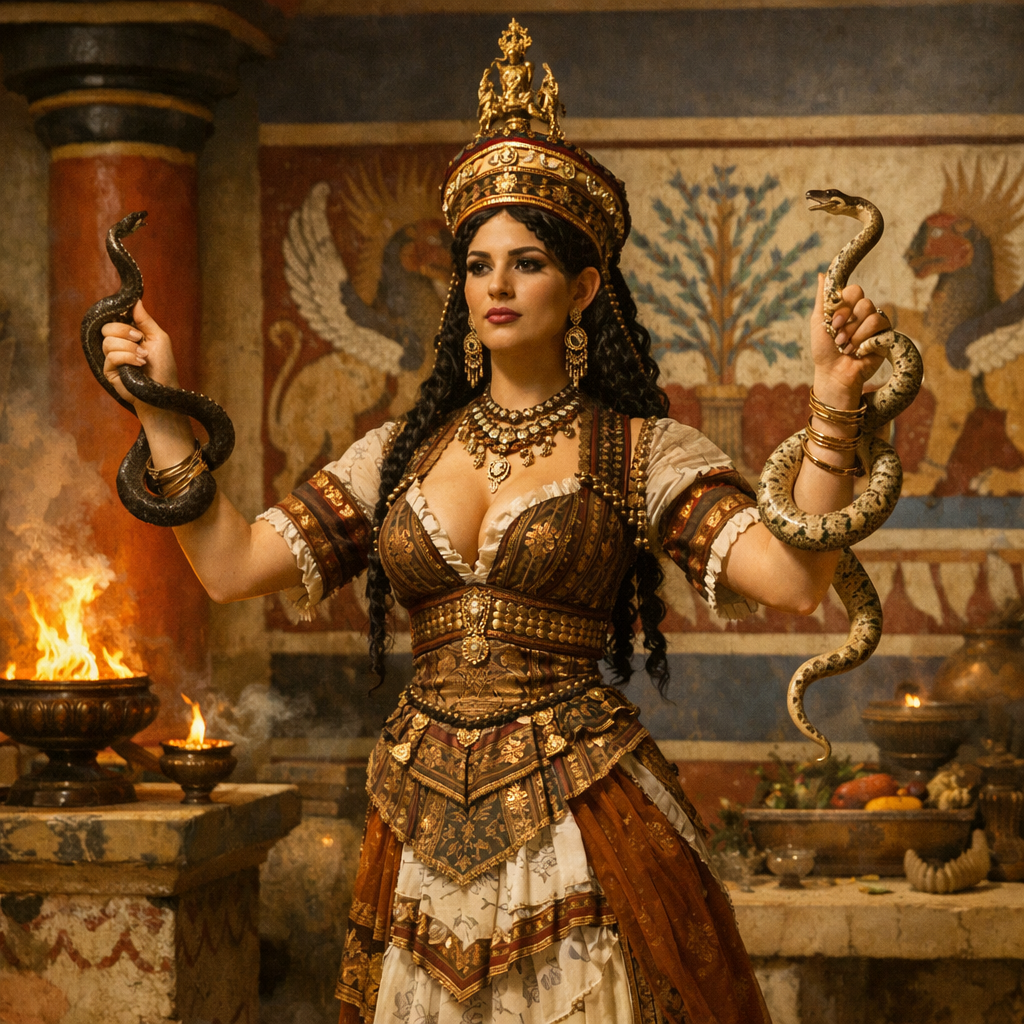
Discovered at Knossos in 1903, the iconic Minoan “Snake Goddess” figurines are less likely depictions of a supreme Mother Goddess than representations of priestesses or a specialized deity overseeing women’s rites. Their symbols—snakes, sacral knots, bared breasts, and saffron motifs—connect them to magical traditions for menstruation, fertility, and lactation, influenced by Egyptian practices. While Evans’s…
-
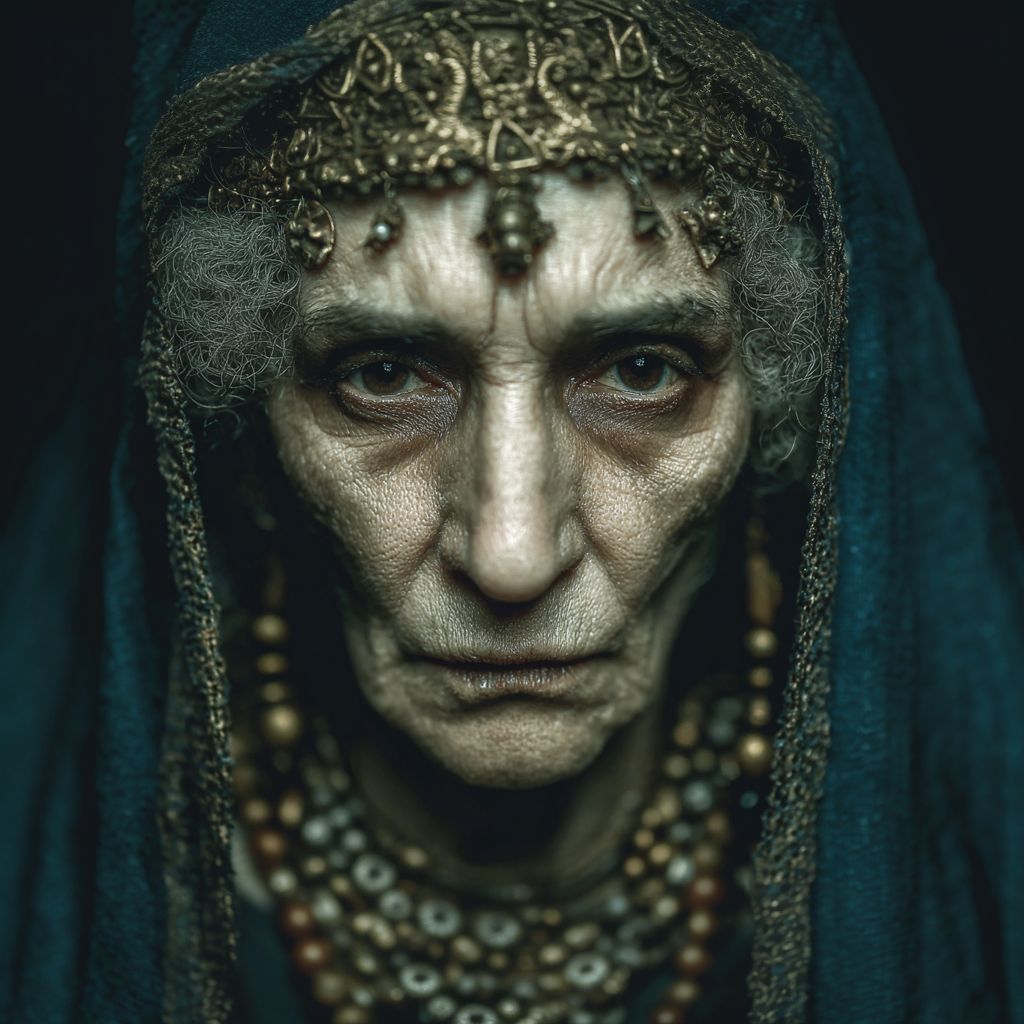
Horace’s Canidia is no fairy-tale hag, but a poetic weapon. This urban witch, rooted in Rome’s streets, serves as his sharpest satire. Through her grotesque magic and social transgressions, Horace critiques the superstition, class anxiety, and moral decay festering beneath Augustus’s new empire, making her a timeless figure of subversive power.
-
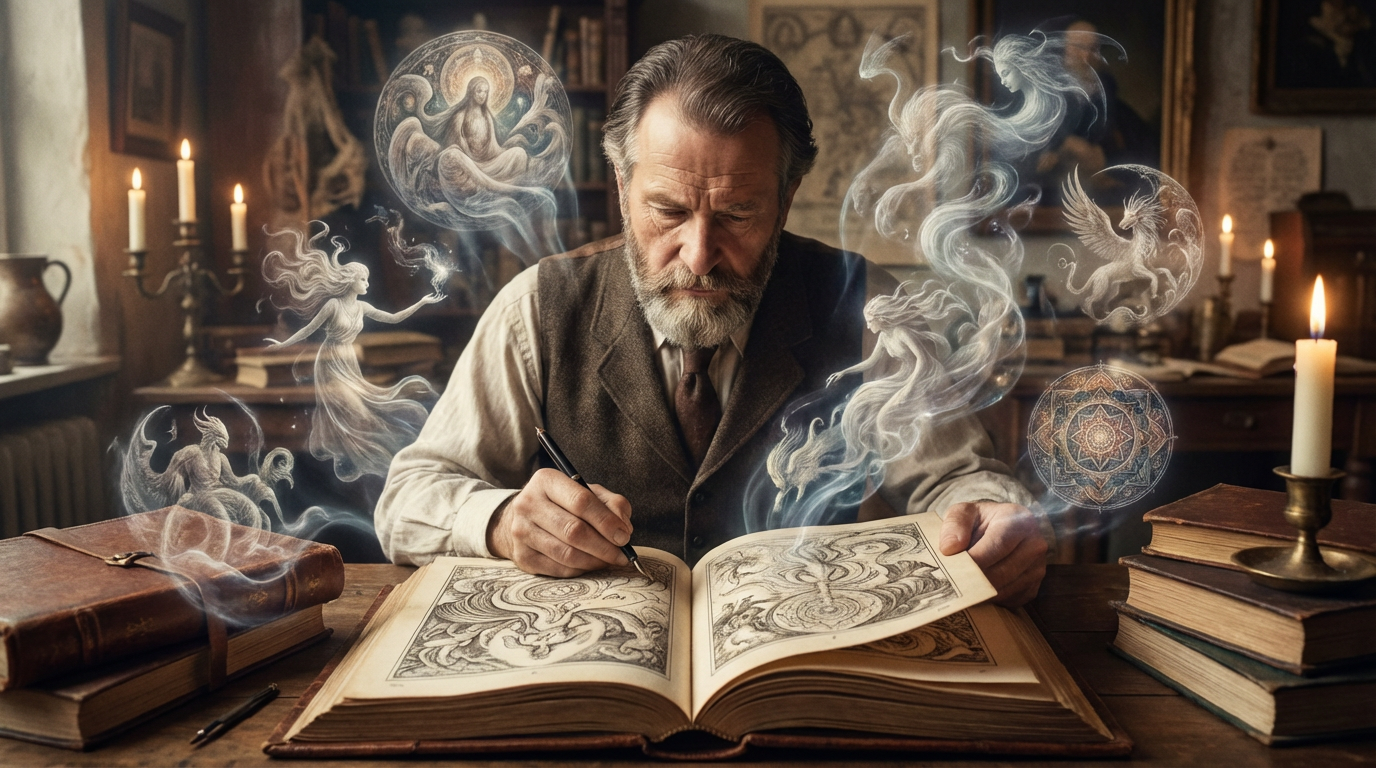
Carl Jung’s Red Book (1914-1930) is an illuminated manuscript documenting his visionary exploration of the unconscious after his split from Freud. This “most difficult experiment,” blending stunning art with psychological commentary, formed the foundational mythic core of his theories. Locked away for decades, its 2009 publication revolutionized understanding of his work.
-
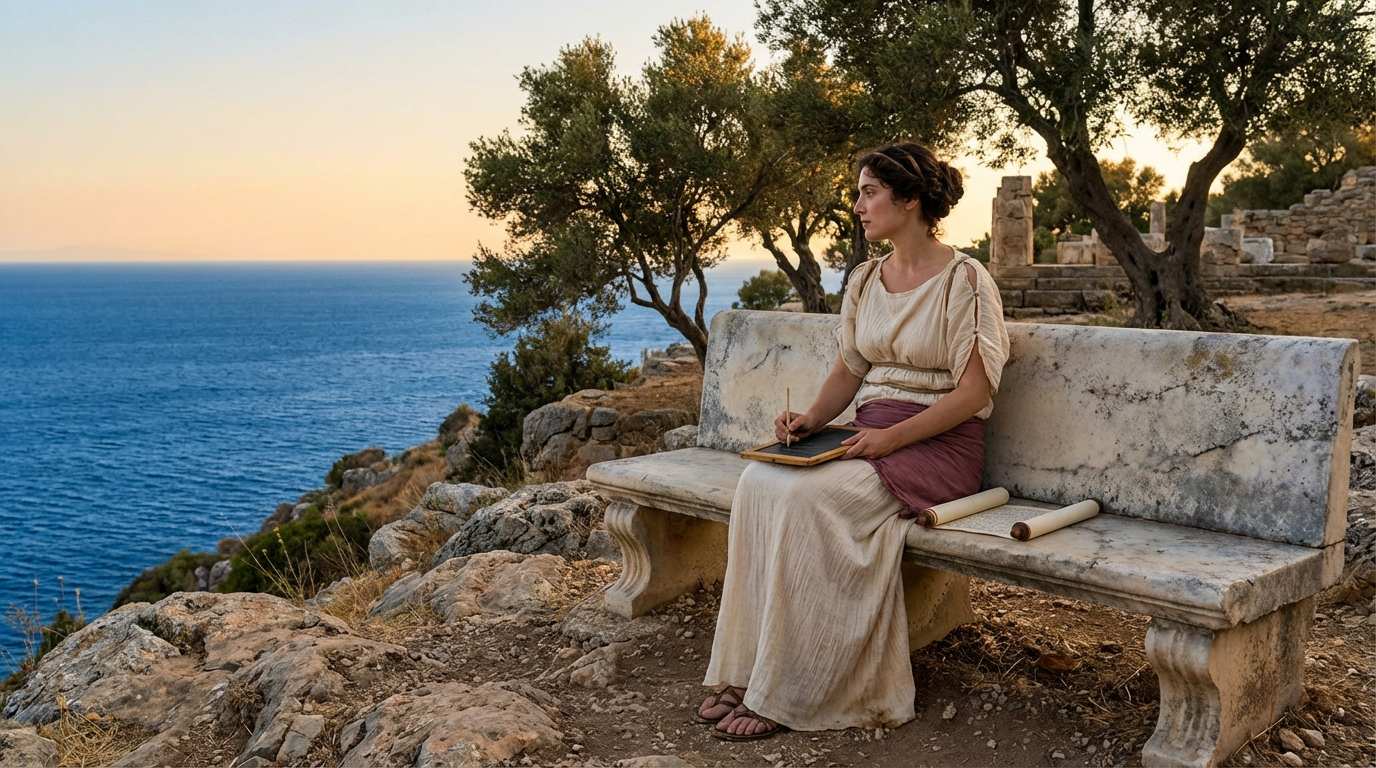
Over 2,500 years after her death, Sappho of Lesbos remains an icon. Celebrated as the “Tenth Muse” in antiquity, her legacy is a puzzle of shattered verses and contested interpretations. This exploration delves past the myths of doomed love and scandal, examining the historical poet through her surviving fragments, her complex social world, and the…
-

Kali, Hinduism’s dark goddess of time and destruction, is paradoxically the loving Divine Mother. Emerging from pre-Vedic roots, her fierce Tantric iconography symbolizes the annihilation of ego. Worshipped as supreme reality in Shakta traditions, she transforms terror into liberation, teaching that facing death is the path to ultimate freedom.
-
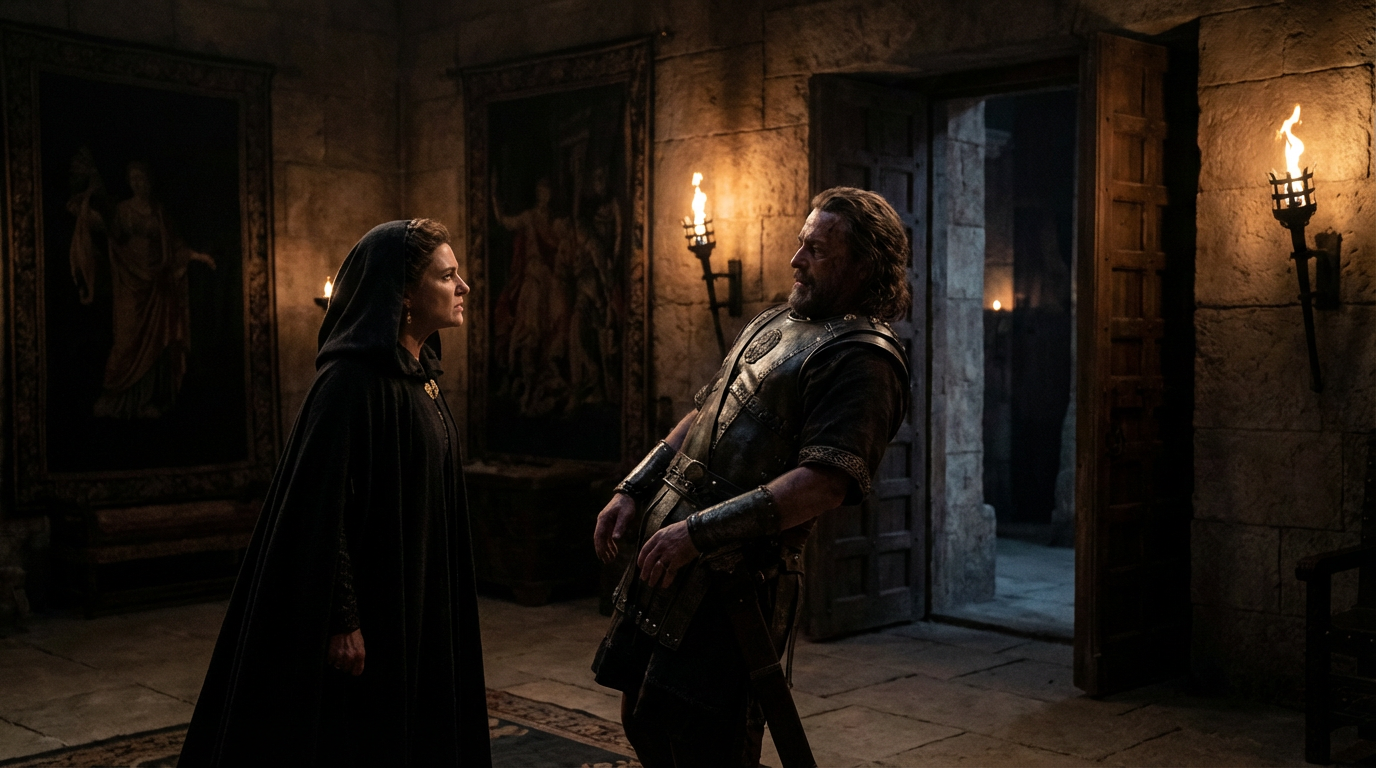
Clytemnestra, Queen of Mycenae, is infamous for murdering her husband Agamemnon. Her myth, however, reveals profound complexity: a bereaved mother avenging her sacrificed daughter Iphigenia, a capable ruler, and a symbol of challenging patriarchal authority. Her evolution from Homeric villain to tragic, sympathetic figure in modern retellings highlights her enduring power as a cultural archetype…
-
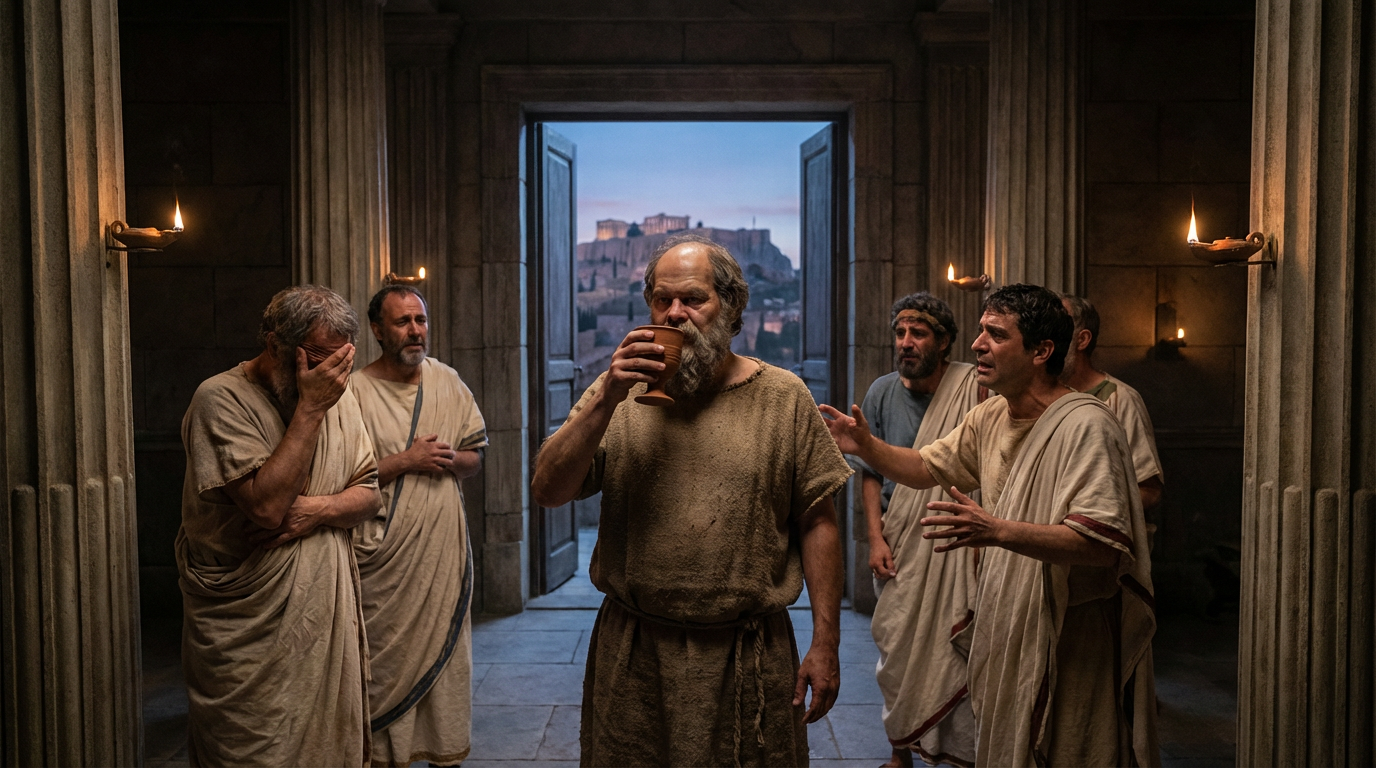
Socrates, the foundational figure of Western philosophy, taught through questioning dialogues to expose ignorance. Charged with impiety and corrupting Athenian youth, he was executed in 399 BCE. His Socratic method, ethical intellectualism, and principled death, recorded by Plato, established a legacy of critical inquiry that endures.