Tiffany Rankin
-
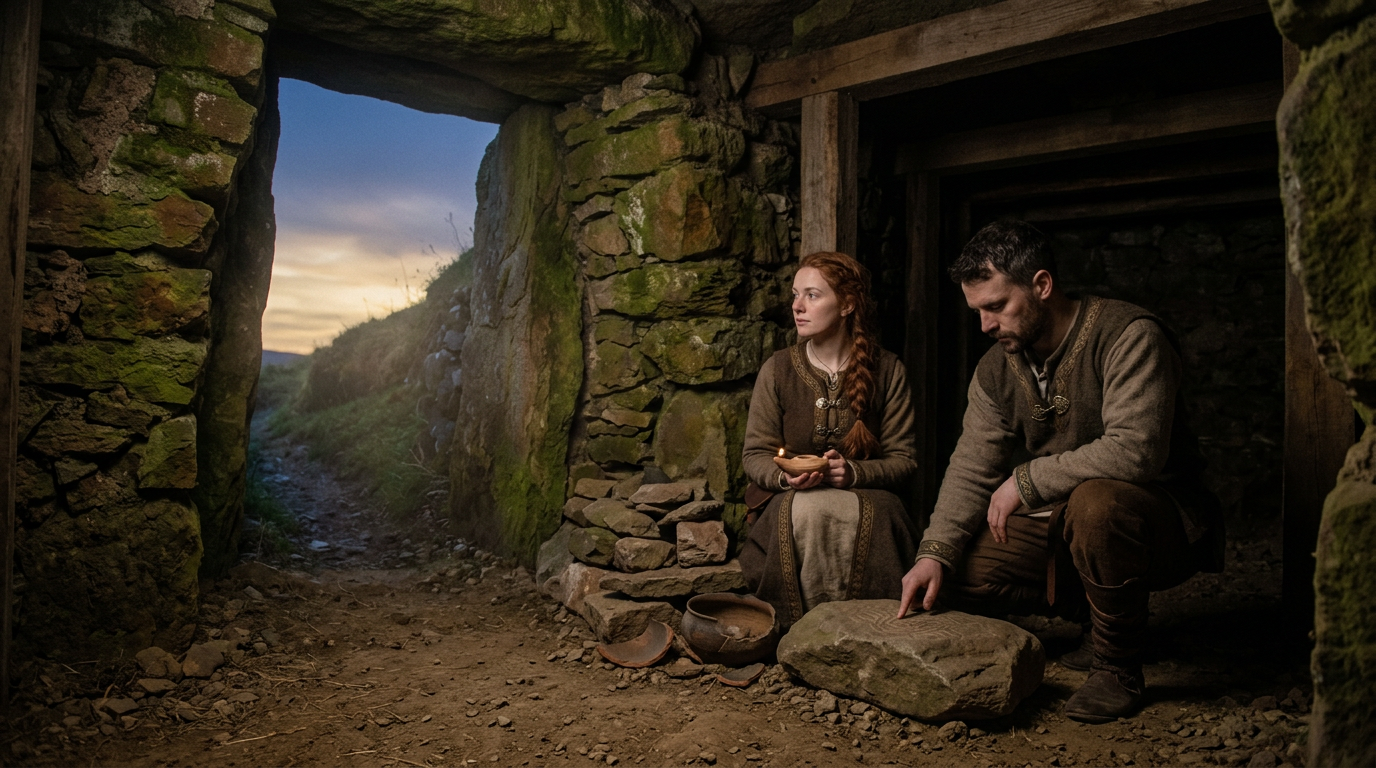
The aos sí are a supernatural race in Irish folklore, believed to be the descendants of the Tuatha Dé Danann or fallen angels. Dwelling within sídhe (burial mounds), they represent the ancient, “earthly gods” of Ireland. The Creideamh Sí (Fairy Faith) encompasses the practices used to respect and appease these powerful, liminal beings.
-
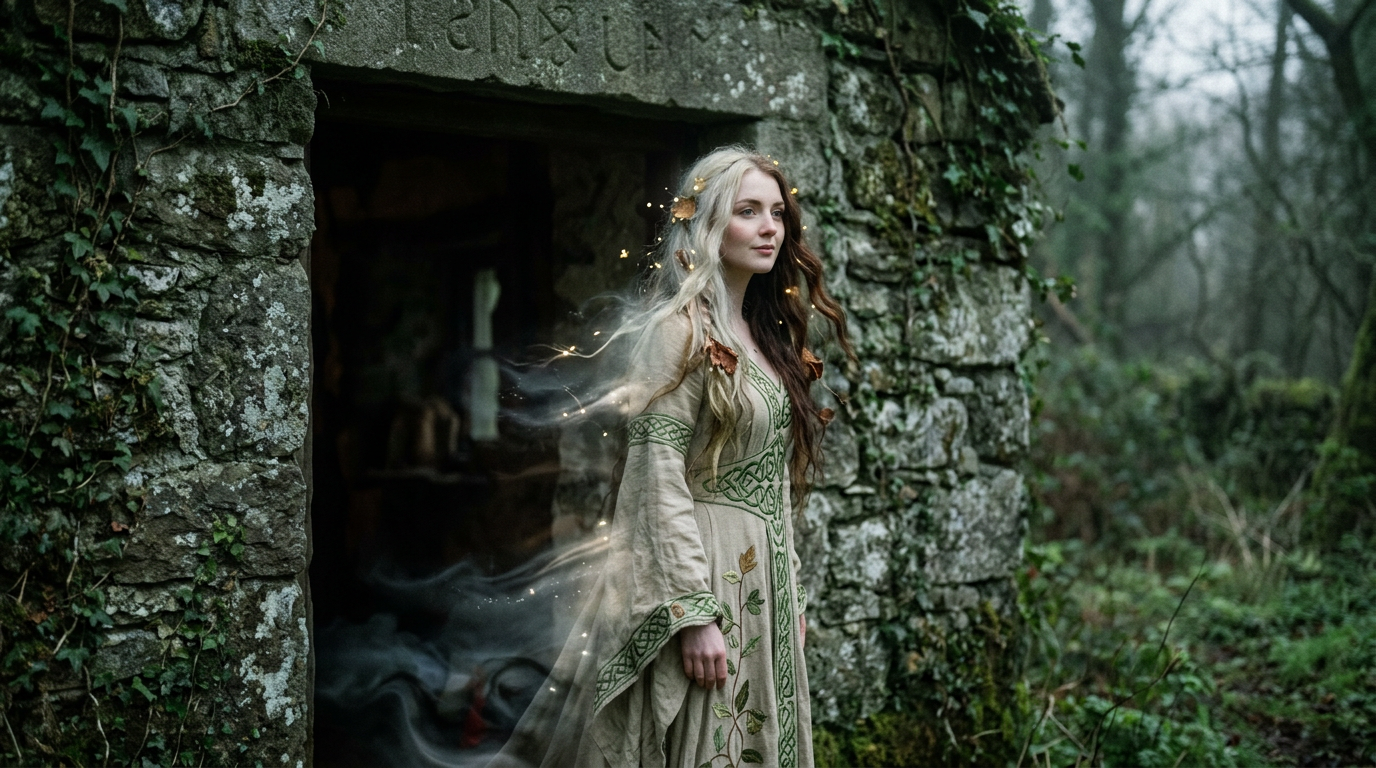
The Leanhaun Sí, or “Fairy Mistress,” is a complex figure in Irish folklore who serves as both a creative muse and a predatory spirit. By bestowing artistic inspiration upon poets and musicians, she creates a fatal, vampiric bond, demanding the artist’s life force as the ultimate price for their transcendent genius.
-
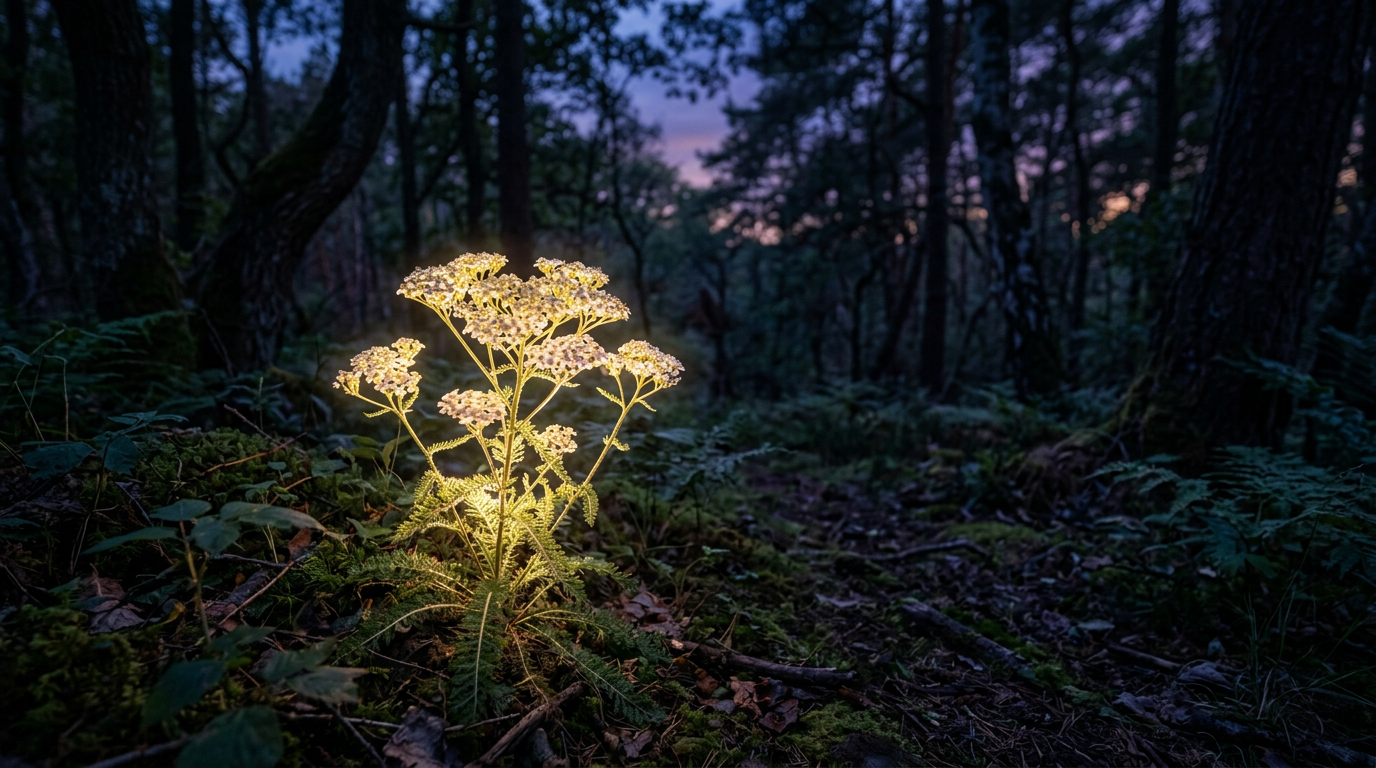
Yarrow is a resilient, multi-faceted plant bridging the physical and spiritual realms. Historically revered by warriors for wound healing, it also holds deep significance in divination, folklore, and ritual. From its medicinal properties to its role in magic and astral travel, yarrow remains a timeless symbol of protection and wisdom.
-
In the seven counties, ancient legends persist, from the smiting of the boar to the glowing presence of Goddess Seris. Locals whisper of the greedy and courageous brothers, Harolde and Artur, while fearing the encroaching madness of the Blood King’s descendant and the prophesied arrival of the child of Jade.
-
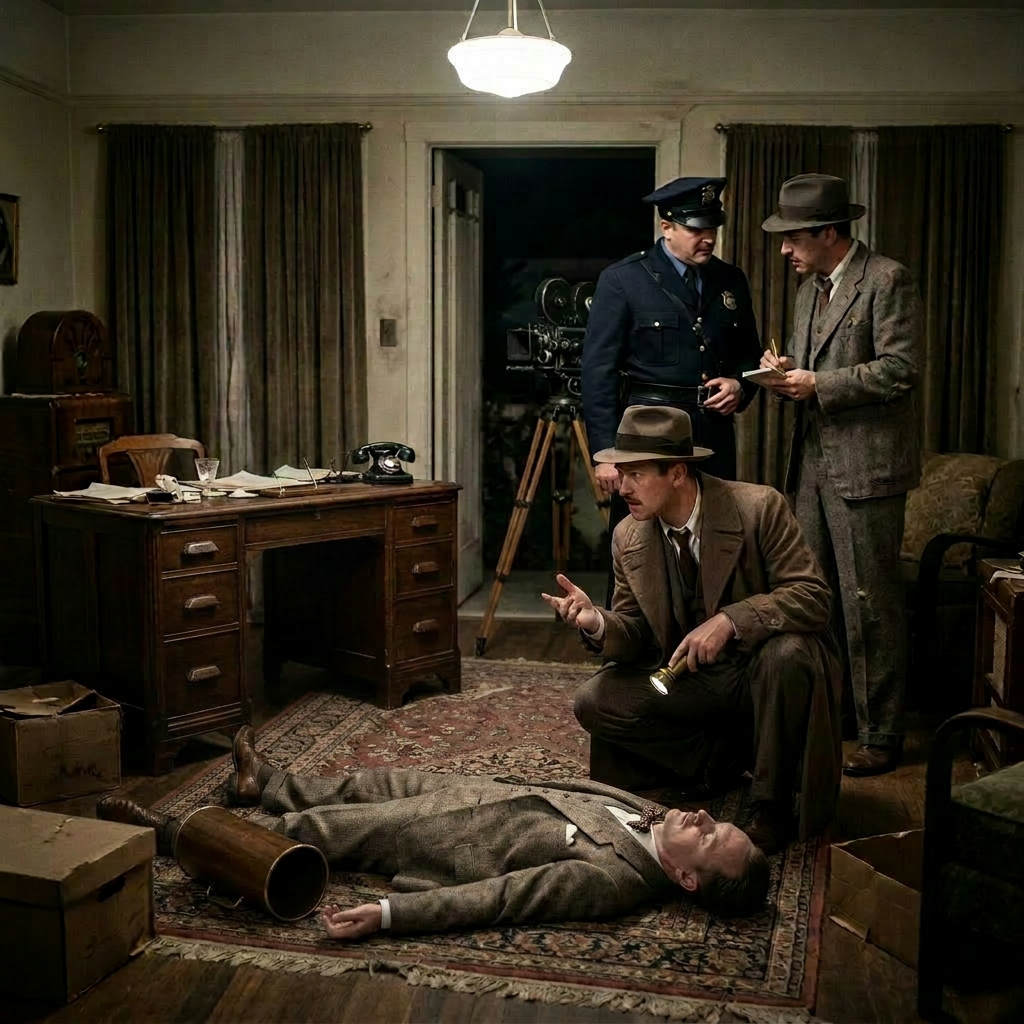
William Desmond Taylor, a prominent silent film director in 1920s Hollywood, was murdered in his bungalow in 1922. The case, involving starlets, missing money, and suspected studio cover-ups, remains an unsolved mystery. This blog post explores his life, the suspects, and the lasting impact the scandal had on the film industry.
-
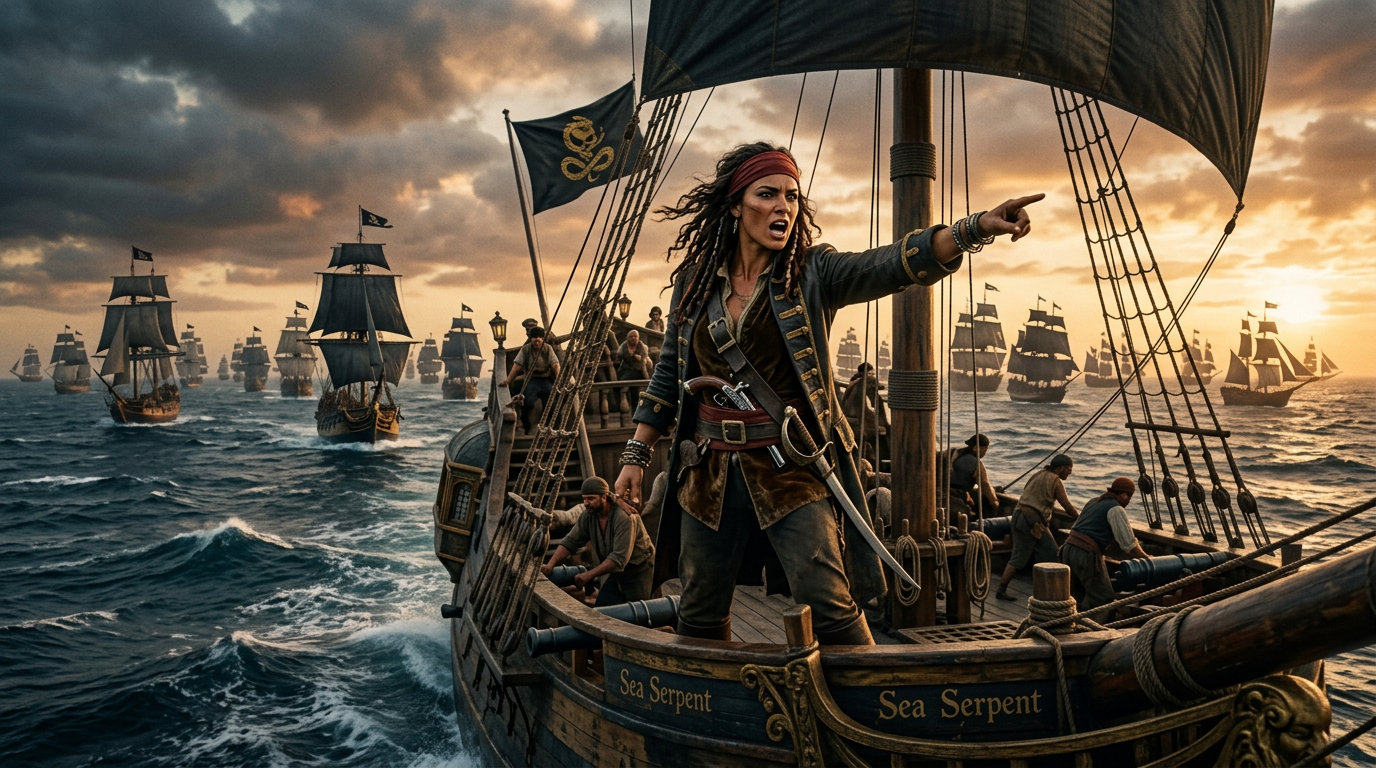
Zheng Yi Sao (1775–1844) rose from obscure origins to command history’s largest pirate confederation, terrorizing the South China Sea from 1801-1810. Following her husband’s death, she masterminded a coalition of 70,000 pirates, defeating Qing and European navies. Forced into negotiations by internal betrayal, she secured an unprecedented pardon, retaining wealth and power. She spent her…
-
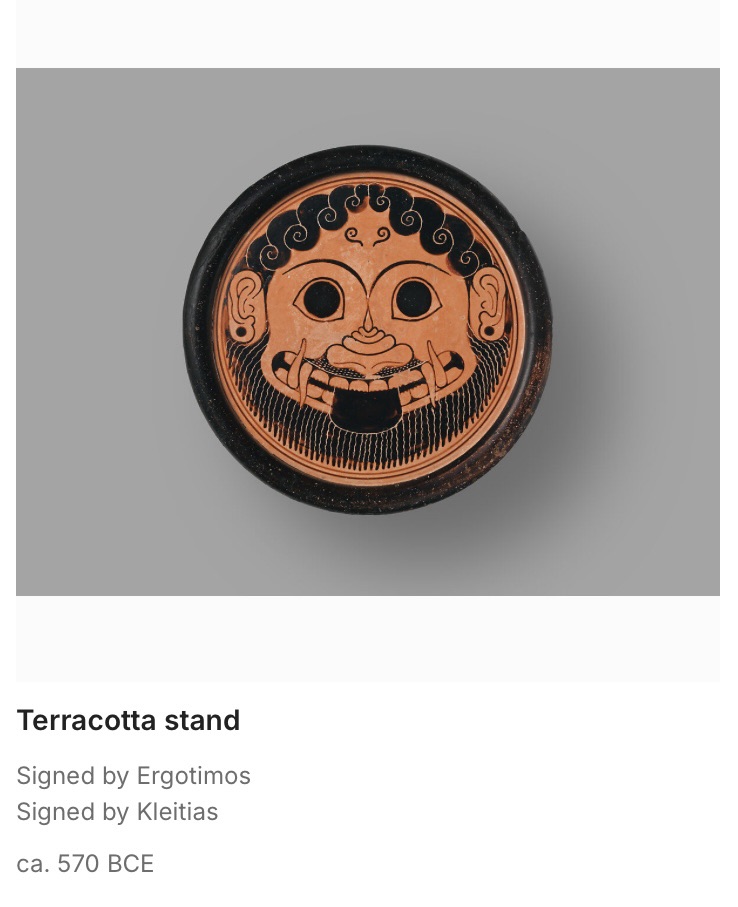
Explore the evolving depiction of Medusa in ancient Greek art and mythology. From the grotesque Archaic gorgoneion to the idealized Classical beauty, this analysis examines her role as an apotropaic symbol of protection, the complex narratives of her demise, and her enduring presence as a potent, otherworldly force.
-
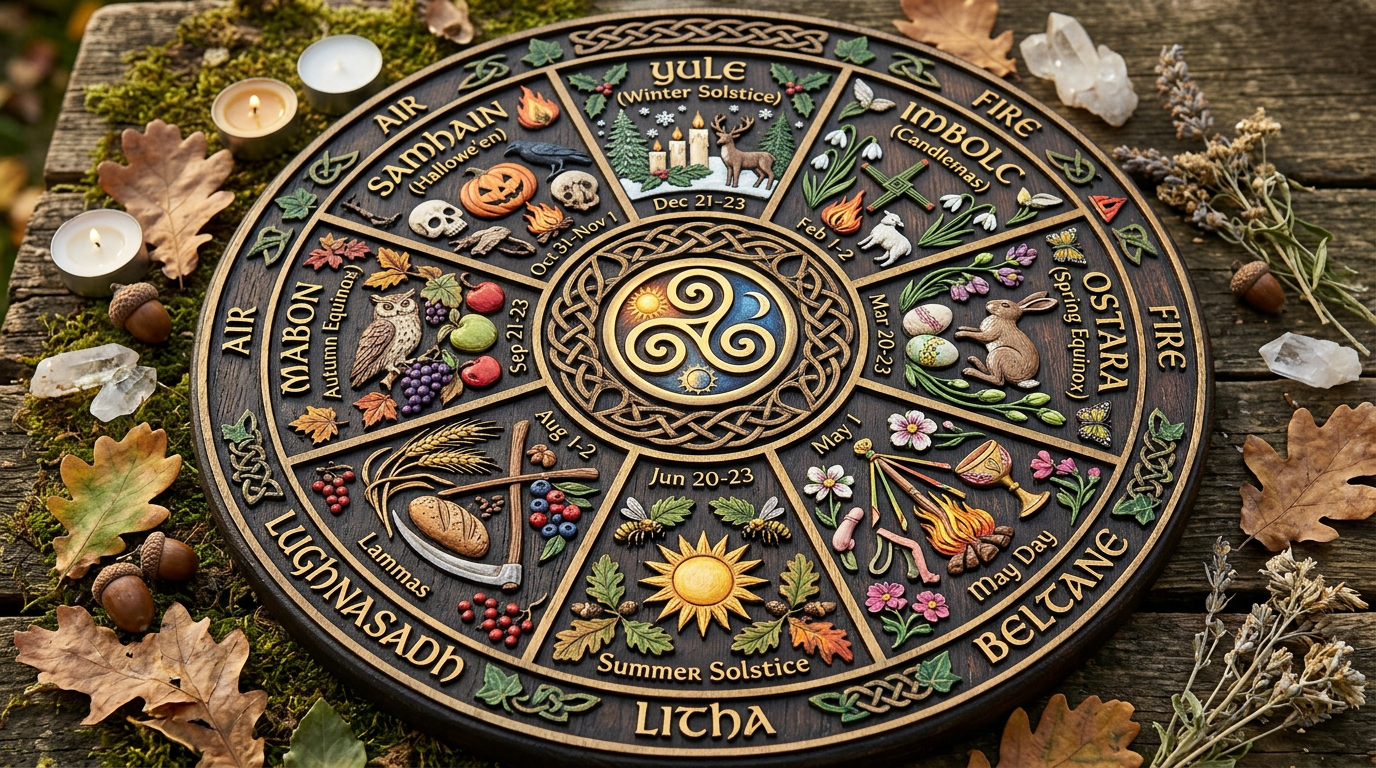
This post explores the modern pagan annual cycle of eight seasonal festivals. It traces its origins to a mid-20th century fusion of Anglo-Saxon solar observances and Celtic pastoral festivals. Each festival—from the rebirth of the sun at Yule to the ancestor reverence of Samhain—is examined for its historical roots and contemporary practices. The article highlights…
-
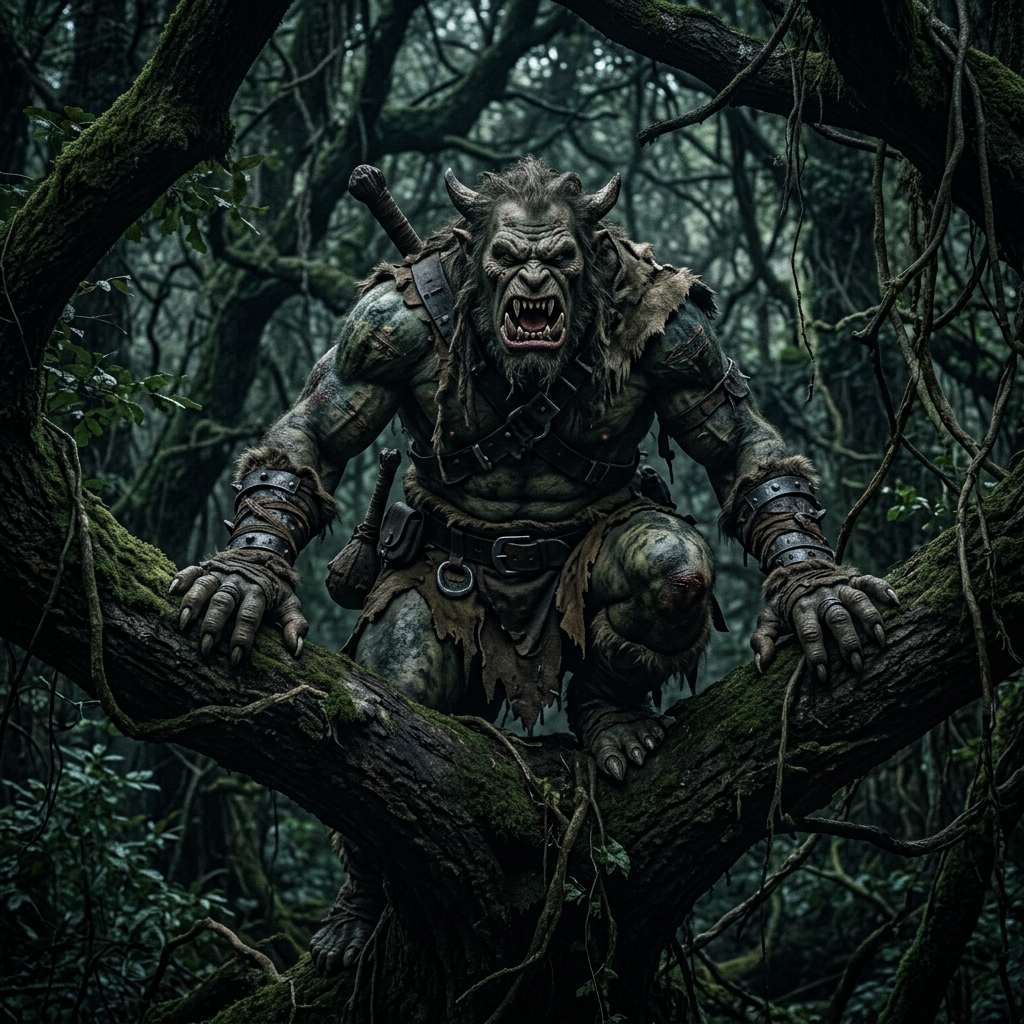
The Sasabonsam is an iron-toothed, tree-dwelling ogre-vampire from Akan folklore in West Africa. It enforced ecological and social rules, punishing transgressors. Its legend, carried by enslaved Akan people to 18th-century Jamaica, represents both a traditional cosmological enforcer and a diasporic symbol of trauma and cultural survival in the Atlantic world.
-

The Dagda, the “Good God” of Irish myth, is a complex figure of immense power, wisdom, and surprising humanity. Chief of the Tuatha Dé Danann, he wields life-and-death magic through his club, an inexhaustible cauldron, and a harp that commands the seasons. More than a simple brute, he is a druid-king, a cunning lover, and…